

YouTube is one of the world's largest video-sharing platforms, connecting billions of people with entertainment, education, music, news, gaming, product reviews, and creator content. Since its launch, YouTube has transformed online video consumption and created new opportunities for businesses, advertisers, publishers, and independent creators.
YouTube statistics provide insights into the platform's users, video views, audience demographics, advertising revenue, creator earnings, and overall growth. These figures help marketers understand viewer behavior, creators plan content strategies, and businesses evaluate YouTube as a digital marketing channel.
YouTube is more than a video-sharing website. It is also a search engine, entertainment platform, advertising network, learning resource, and creator economy. Its combination of long-form videos, YouTube Shorts, livestreams, and connected TV viewing makes it an important part of the global digital landscape.
How Many People Use YouTube?
YouTube has a global audience measured in billions, making it one of the most widely used online video platforms.
People use YouTube for different purposes, including watching music videos, learning new skills, following creators, researching products, watching live events, and finding answers to everyday questions.
YouTube's Global Audience
YouTube serves audiences across countries, languages, age groups, and interests. Its content ranges from short entertainment clips to detailed educational courses and long-form documentaries.
Common reasons people use YouTube include:
- Watching music videos and listening to songs
- Learning through tutorials and demonstrations
- Following gaming creators
- Watching news and commentary
- Comparing products before buying
- Learning professional and technical skills
- Watching podcasts and interviews
- Following sports and entertainment
- Viewing livestreams and recorded events
This variety helps YouTube attract casual viewers as well as people who visit the platform for specific information.
Monthly Users and Advertising Reach
YouTube statistics need to be interpreted carefully because different reports measure different audiences.
Monthly active users refer to people who use a platform during a defined period, according to the company's measurement methodology. Advertising reach estimates the audience that advertisers may be able to target.
These figures are not identical. Advertising reach can differ from the number of actual active users, so it should not be presented as a precise user count.
For businesses, potential advertising reach is useful for planning campaigns, while actual impressions, watch time, clicks, and conversions help evaluate results.
YouTube Statistics in India
India is an important market for YouTube because of its large population, widespread smartphone usage, and growing demand for online video.
YouTube is used in India for entertainment, education, music, technology reviews, cooking, gaming, travel, news, and business content.
Why YouTube Is Popular in India
Several factors contribute to YouTube's popularity in India:
- Affordable mobile internet
- Widespread smartphone adoption
- Regional-language videos
- Music and entertainment content
- Educational tutorials
- Gaming communities
- Product reviews
- Creator-led content
- Short-form video consumption
Creators can reach audiences in Hindi, English, and numerous regional languages. This creates opportunities for channels serving specific communities and interests.
YouTube for Indian Businesses
Businesses use YouTube to explain products, demonstrate services, publish tutorials, build brand awareness, and reach potential customers.
For example, a web hosting company can publish website setup guides, while a digital marketing agency can create tutorials about SEO, paid advertising, and analytics.
YouTube can also support businesses that want to educate customers before they make a purchase.
YouTube Views and Video Consumption

Video views are among the most recognizable YouTube statistics. However, the total number of views alone does not reveal how valuable a video is to its audience or creator.
A video may receive many views but generate little engagement, while another video with fewer views may attract highly relevant customers.
How YouTube Views Work
YouTube uses its own systems to determine which views count as legitimate views. The exact counting methodology varies by content type and may change as the platform updates its systems.
For example, Shorts views and long-form video views have different viewing contexts. Comparing them without considering the format can lead to misleading conclusions.
What Influences Video Views?
Several factors can influence how many views a video receives:
- Topic relevance
- Thumbnail quality
- Video title
- Audience interest
- Search demand
- Viewer retention
- Recommendations
- Competition
- Publishing consistency
- Seasonal trends
No single factor guarantees high view counts. Videos generally perform better when they satisfy the expectations created by their titles and thumbnails.
YouTube Watch Time and Engagement
Watch time is an important measure of how long viewers spend watching videos.
Creators can use watch time and audience retention data to understand which topics, formats, and sections keep viewers interested.
Audience Retention
Audience retention shows how much of a video viewers watch before leaving or skipping to another section.
A sharp drop near the beginning may indicate that the introduction is too long or does not match the viewer's expectations.
Creators can use retention graphs to identify sections that may need better explanations, faster pacing, clearer visuals, or stronger storytelling.
Likes, Comments, and Shares
Engagement includes actions such as likes, comments, shares, and subscriptions generated by a video.
These metrics help creators understand how viewers respond to their content. However, high engagement does not automatically guarantee higher rankings or recommendations.
Creators should focus on meaningful interaction and viewer satisfaction rather than attempting to increase engagement through artificial methods.
YouTube Shorts Statistics and Growth
YouTube Shorts has become an important part of the platform's video strategy.
Shorts allows creators to publish vertical videos that can be discovered through a dedicated short-video feed and other eligible surfaces.
Why YouTube Shorts Is Popular
Short-form videos are easy to consume and can introduce creators to new audiences.
Common Shorts categories include:
- Quick tutorials
- Comedy and entertainment
- Gaming highlights
- Educational facts
- Product demonstrations
- Music clips
- Fitness tips
- Travel videos
- Behind-the-scenes content
Shorts can help creators test ideas and reach viewers who may not yet know their channels.
Shorts Views and Measurement
YouTube changed how Shorts views are counted in 2025. Under the updated approach, a Shorts view can be counted when a video starts to play or replay, without a minimum watch-time requirement. The previous metric remains available in YouTube Analytics as engaged views, which helps creators understand how many viewers chose to continue watching.
Because of this change, Shorts view totals should not be compared directly with older figures without considering the measurement method.
Shorts vs Long-Form Videos
Shorts and long-form videos serve different purposes.
Shorts can support discovery and quick entertainment, while long-form videos allow creators to explain complex topics, publish detailed reviews, and develop deeper relationships with viewers.
Many channels use both formats to reach different audience needs.
YouTube Revenue and Advertising Statistics
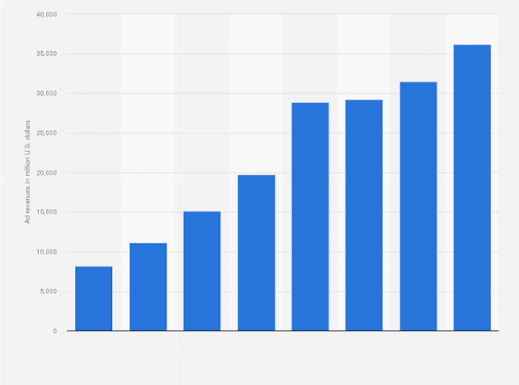
Advertising is one of YouTube's major revenue sources.
Businesses pay to show advertisements to eligible audiences, while YouTube shares revenue with creators who qualify for applicable monetization programs.
YouTube also generates revenue through paid subscriptions and other services.
YouTube Advertising Revenue
Alphabet's annual financial reporting showed that YouTube advertising revenue reached approximately $36.1 billion in 2024, reflecting the platform's scale as an advertising business.
YouTube's advertising revenue can fluctuate based on advertiser demand, economic conditions, seasonality, audience geography, and video consumption.
Advertising revenue should be distinguished from the total revenue generated by YouTube-related products, such as subscriptions.
Types of YouTube Ads
Common YouTube advertising formats include:
- Skippable in-stream ads
- Non-skippable in-stream ads
- In-feed video ads
- Shorts ads
- Bumper ads
- Masthead advertising
- Connected TV placements
Availability and placement depend on campaign settings, device, market, and advertising eligibility.
Factors That Affect Advertising Costs
YouTube advertising costs depend on the target audience, competition, bidding strategy, placement, campaign objective, and creative quality.
Advertisers may evaluate cost per view, cost per thousand impressions, click-through rate, conversion rate, and return on advertising spend.
A successful campaign is not necessarily the one with the cheapest views. It is the one that achieves the intended business objective efficiently.
How Much Money Do YouTubers Make?
YouTube creators can earn money through advertising, channel memberships, sponsorships, affiliate marketing, merchandise, and other business activities.
However, creator income varies significantly. There is no universal amount that every channel earns per 1,000 views.
YouTube Ad Revenue
Eligible creators can receive a share of revenue from advertisements shown around their monetized content.
Earnings depend on several factors, including:
- Viewer location
- Content category
- Advertiser demand
- Video length and format
- Audience demographics
- Eligible monetized playbacks
- Time of year
- Ad suitability
A channel targeting business software or professional services may experience different advertising economics from a channel focused on general entertainment.
CPM and RPM
Two important YouTube revenue metrics are CPM and RPM.
CPM, or cost per thousand impressions, describes the amount advertisers pay for 1,000 ad impressions before accounting for the creator's final share and other factors.
RPM, or revenue per thousand views, estimates how much a creator earns per 1,000 video views after YouTube's revenue share and based on the revenue included in the metric.
RPM can include multiple revenue sources, depending on the report and format. It is often more useful than CPM when estimating a creator's revenue per view.
Sponsorships and Affiliate Marketing
Many creators earn additional income through brand sponsorships and affiliate partnerships.
A technology creator might review hosting services or software, while a travel creator might work with hotels, booking platforms, or travel brands.
Affiliate income depends on audience intent, commission rates, product relevance, and conversions rather than views alone.
YouTube Creator Economy
YouTube has helped build a creator economy in which individuals and businesses produce content for audiences around the world.
Creators range from solo video producers to large teams operating professional studios.
YouTube Partner Program
The YouTube Partner Program allows eligible creators to access supported monetization features.
Eligibility requirements vary by feature and country. Creators must meet the relevant subscriber, watch-time or Shorts-view thresholds, follow monetization policies, and satisfy other requirements.
Meeting a subscriber target alone does not guarantee acceptance or monetization.
Other Ways Creators Earn Money
Creators may generate revenue through:
- Channel memberships
- Super Chat and Super Stickers
- Super Thanks
- Sponsorships
- Affiliate links
- Merchandise
- Online courses
- Consulting
- Digital products
- Live events
Diversifying revenue can reduce dependence on advertising income, which may fluctuate from month to month.
YouTube Search and SEO Statistics
YouTube is also an important search and discovery platform.
People search for tutorials, reviews, comparisons, product demonstrations, entertainment, and answers to specific questions.
YouTube SEO helps creators make their videos easier for relevant viewers to find.
YouTube Keyword Research
Keyword research helps creators understand the language people use when searching for videos.
Useful methods include reviewing search suggestions, studying competing videos, examining audience questions, and analyzing YouTube Analytics.
Creators should choose topics that match their expertise and audience rather than targeting keywords without a clear content plan.
Video Titles and Thumbnails
Titles and thumbnails help viewers understand what a video offers.
A strong title communicates the topic clearly, while a useful thumbnail provides visual context and encourages relevant viewers to click.
Misleading titles may attract initial attention but can disappoint viewers and damage audience trust.
Captions and Descriptions
Accurate descriptions and captions can improve accessibility and help viewers understand video content.
Creators should write natural descriptions that explain the video's subject and include relevant information without keyword stuffing.
YouTube and Digital Marketing

YouTube supports multiple stages of the customer journey, from awareness to purchase decisions.
Businesses can publish educational videos, product demonstrations, testimonials, webinars, and detailed comparisons.
Building Brand Awareness
Video can help businesses explain their values, introduce products, and demonstrate expertise.
A useful tutorial may introduce a brand to viewers who were not previously familiar with the company.
Generating Leads and Sales
YouTube can direct viewers to landing pages, product pages, newsletters, and other resources.
Businesses can measure results through tracked links, analytics, lead forms, and conversion tracking.
The value of YouTube marketing depends on how effectively content reaches relevant viewers and encourages useful next steps.
YouTube Compared With Other Video Platforms
YouTube competes with platforms such as TikTok, Instagram, Facebook, and streaming services.
Each platform has different strengths, audience behaviors, and content formats.
YouTube vs TikTok
TikTok is strongly associated with short-form video and its personalized discovery feed. YouTube supports Shorts as well as long-form videos, livestreams, and searchable channel libraries.
Creators may use both platforms to reach different audiences and distribute content in multiple formats.
YouTube vs Instagram
Instagram combines Reels, Stories, photo posts, and direct messaging. YouTube provides a broader environment for long-form tutorials, entertainment, educational series, and searchable video archives.
Businesses can choose platforms based on their audience, content style, and campaign objectives.
Why YouTube Remains Important
YouTube's combination of search, recommendations, short-form video, long-form content, and connected TV viewing gives it a distinct position in the digital video market.
Its value depends on the needs of viewers, creators, advertisers, and businesses.
Future YouTube Growth Trends
YouTube continues to develop its video formats, recommendation systems, creator tools, and subscription offerings.
Several trends are likely to remain important.
AI-Assisted Video Creation
AI tools can help creators brainstorm ideas, edit footage, generate captions, translate content, and organize production workflows.
Human judgment remains important for accuracy, originality, storytelling, and audience trust.
Connected TV Viewing
YouTube is increasingly used on televisions as well as smartphones and computers. This creates opportunities for creators and advertisers to reach viewers in a living-room environment.
Podcasts and Long-Form Content
YouTube supports video podcasts, interviews, discussions, and extended educational content.
These formats can help creators build loyal audiences around recurring subjects.
Multilingual Content
Captions, translated titles, dubbing, and other language tools can help creators reach viewers beyond their original language markets.
However, translation quality and cultural context remain important when targeting international audiences.
Must Read:
- Instagram Statistics: Users, Engagement and Growth
- TikTok Statistics: Users, Downloads and Growth Trends
- ChatGPT Statistics: Users, Growth and Usage Trends
FAQs:
How many people use YouTube?
YouTube has a global audience measured in billions. Exact user totals depend on the reporting period and whether the source measures monthly active users, advertising reach, or another audience metric.
How many views does YouTube receive?
YouTube receives enormous volumes of video views across long-form videos and Shorts. The platform's view totals vary by format and measurement method, so any specific figure should be tied to a defined reporting period.
How does YouTube make money?
YouTube generates revenue through advertising, paid subscriptions, and other services. Advertising is one of its major revenue streams.
How much does YouTube pay per 1,000 views?
There is no fixed payment rate. Creator earnings depend on audience location, content category, ad demand, monetized views, format, and additional revenue sources. RPM is a useful metric for estimating earnings per 1,000 views.
Can YouTube Shorts make money?
Eligible creators can earn through supported Shorts monetization features. Earnings depend on eligibility, views, the applicable revenue-sharing system, audience, and other factors.
Is YouTube good for business marketing?
YouTube can help businesses build awareness, explain products, attract leads, and support sales. Its effectiveness depends on audience relevance, video quality, distribution, and conversion strategy.
Conclusion:
YouTube statistics demonstrate the platform's importance in online video, advertising, education, entertainment, and the creator economy. Its global audience, extensive content library, and combination of Shorts and long-form videos create opportunities for viewers, creators, and businesses.
Understanding users, views, watch time, revenue, and engagement helps creators make informed decisions about their content. For advertisers, campaign costs and conversions are important for measuring results. For businesses, YouTube can support brand awareness, customer education, and sales.
The platform will continue to evolve as AI-assisted production, connected TV, multilingual content, and new video formats influence how people watch and create content.
For creators and businesses, the strongest approach is to focus on useful content, understand audience needs, measure performance carefully, and build sustainable strategies rather than relying on views alone.