

The internet has become an essential part of modern life, connecting billions of people, businesses, governments, and communities worldwide. Global Internet Statistics help explain how people use the internet, how quickly digital access is expanding, and how online activities are changing communication, education, entertainment, shopping, and business. From social media and online banking to artificial intelligence and cloud computing, internet technology continues to influence almost every part of the global economy.
As internet access expands across developing countries, more people can participate in the digital world. At the same time, improvements in mobile networks, fiber broadband, satellite connectivity, and digital infrastructure are changing how people connect. Understanding Global Internet Statistics provides valuable insights into internet penetration, user growth, mobile internet adoption, online behavior, and the future of digital technology.
This article examines important internet usage statistics, worldwide connectivity trends, regional differences, and the factors shaping internet adoption in 2026.
Global Internet Statistics: Key Facts and Figures
Global Internet Statistics offer a useful overview of how the internet has developed and how widely it is used. Although the exact figures vary by source and reporting date, international organizations consistently show that internet access has expanded significantly over the past two decades.
Here are some important facts about global internet usage:
- Global internet users: More than 6 billion people worldwide are estimated to use the internet in the mid-2020s.
- Internet penetration: Approximately three-quarters of the world's population is connected to the internet.
- Offline population: Billions of people still lack internet access, particularly in underserved rural communities and lower-income countries.
- Mobile connectivity: Smartphones and mobile networks are major ways people access online services.
- Digital communication: Email, messaging applications, social networks, and video calls are among the most common internet activities.
- Online shopping: E-commerce allows consumers to purchase products and services from businesses across local and international markets.
- Digital entertainment: Video streaming, online gaming, podcasts, and social media remain important drivers of internet activity.
- Artificial intelligence: AI-powered applications are increasing the range of tasks people can perform online.
These Global Internet Statistics demonstrate that the internet is no longer a technology used only by businesses or technically skilled individuals. It has become a basic resource for communication, information, work, education, and everyday services.
However, internet availability does not always mean reliable or affordable access. Connection speed, device availability, digital skills, and household income continue to influence how effectively people use the internet.
How Many People Use the Internet Worldwide?
The number of internet users worldwide has increased substantially as mobile devices, affordable data plans, and broadband infrastructure have become more accessible. Global Internet Statistics published by international telecommunications organizations indicate that the worldwide online population has grown from a small minority of people in the early 2000s to more than six billion users in the mid-2020s.
The International Telecommunication Union (ITU) estimated that approximately 5.5 billion people were using the internet in 2024, representing about 68% of the global population. Its estimates for 2025 indicated further growth, with approximately 6 billion people online. The precise figure depends on the reporting period, population estimates, and definition of internet use.
This growth reflects major changes in the way people access information and communicate with others.
Internet User Growth Over Time
The following table provides a simplified view of the long-term increase in global internet adoption. Figures are approximate and represent broad historical estimates rather than a single consistent annual dataset.
| Year | Estimated global internet users |
|---|---|
| 2000 | 400 million |
| 2005 | 1 billion |
| 2010 | 2 billion |
| 2015 | 3.2 billion |
| 2020 | 4.9 billion |
| 2023 | 5.4 billion |
| 2024 | 5.5 billion |
| 2025 | Around 6 billion |
These Global Internet Statistics show how quickly internet access has expanded. In the early 2000s, internet use was concentrated in relatively wealthy countries and urban areas. Today, online access reaches communities across nearly every region.
Mobile broadband, lower smartphone prices, improved network coverage, and the growth of digital services have contributed to this expansion. However, billions of people still need better connectivity, affordable devices, and opportunities to develop digital skills.
What Is Internet Penetration?
Internet penetration refers to the percentage of a population that uses the internet. It is an important measure for comparing digital adoption across countries and regions.
For example, if a country has 10 million residents and 8 million internet users, its internet penetration rate is 80%.
Global Internet Statistics use internet penetration to identify regions where digital connectivity is widespread and areas where significant barriers remain. Countries with high penetration rates often have developed telecommunications infrastructure, reliable electricity, affordable internet packages, and strong digital service ecosystems.
Countries with lower penetration rates may face challenges such as limited network coverage, high data costs, low household incomes, language barriers, or inadequate digital education.
Global Internet Statistics by Region
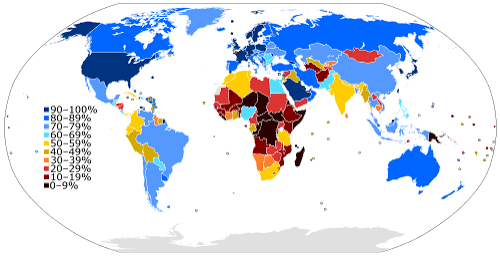
Internet adoption differs considerably across the world. Some regions have near-universal connectivity, while others continue to experience substantial gaps in access.
Regional Global Internet Statistics help explain these differences and show where additional investment in digital infrastructure could have the greatest impact.
Asia: The Largest Internet User Population
Asia contains the world's largest population and therefore accounts for a substantial share of global internet users. Countries such as China, India, Indonesia, Japan, and South Korea contribute significantly to worldwide online activity.
China has an extensive internet ecosystem that includes digital payments, online shopping, video platforms, social networking, and mobile services. India has also experienced rapid growth because of affordable mobile data, smartphone adoption, digital payment systems, and government-supported digital services.
In many Asian markets, mobile phones are the primary way people connect to the internet. This has helped millions of people access online education, banking, healthcare information, and employment opportunities without needing a desktop computer.
However, internet access varies widely between urban and rural areas. Language diversity, infrastructure limitations, and differences in income also affect how people use online services.
North America: High Internet Penetration
North America has comparatively high internet adoption, supported by developed telecommunications infrastructure and widespread access to smartphones, computers, and broadband connections.
People across the United States and Canada use the internet for remote work, online education, entertainment, shopping, financial services, and communication. Businesses also depend on cloud platforms, digital advertising, online customer service, and data-driven marketing.
Global Internet Statistics for this region highlight the importance of connection quality as well as access. High-speed broadband and reliable mobile networks support activities such as video conferencing, cloud computing, streaming, and AI-powered applications.
Nevertheless, connectivity gaps still exist in some rural and remote communities. Internet affordability and the availability of suitable devices can also create challenges for lower-income households.
Europe: Strong Digital Connectivity
Europe has relatively high internet penetration, with many countries benefiting from developed broadband infrastructure and widespread mobile connectivity.
Internet services play an important role in online banking, public administration, education, transportation, retail, and healthcare. Many European governments provide digital public services that allow residents to complete administrative tasks online.
The European digital market also emphasizes privacy, cybersecurity, consumer protection, and data governance. These factors influence how businesses collect information and deliver online services.
Despite generally strong connectivity, differences remain between countries, particularly regarding rural broadband availability, digital skills, and access to advanced network technologies.
Africa: Expanding Internet Access
Africa has significant potential for internet growth because many communities are still underserved by traditional telecommunications infrastructure. Mobile networks have helped expand connectivity, particularly in areas where fixed broadband is expensive or difficult to install.
Internet access supports mobile money, digital entrepreneurship, online education, agriculture services, healthcare information, and small-business development. Entrepreneurs can use digital platforms to reach customers beyond their immediate communities.
However, internet affordability remains a major barrier in many countries. The cost of smartphones, mobile data, electricity, and network infrastructure can prevent people from accessing online services regularly.
Global Internet Statistics demonstrate that expanding connectivity in Africa is important for reducing the digital divide and creating new economic opportunities.
Latin America: Growing Digital Participation
Latin America has experienced significant growth in internet adoption, supported by mobile broadband, smartphone use, social media, and online shopping.
Countries such as Brazil, Mexico, Argentina, Colombia, and Chile have large online populations. Businesses increasingly use digital channels to sell products, communicate with customers, and provide financial services.
Mobile payment systems, online marketplaces, video streaming, and digital education are becoming increasingly important across the region.
However, connectivity quality and affordability vary between countries and communities. Rural areas and lower-income households may have fewer opportunities to access reliable high-speed internet.
Middle East: Investment in Digital Infrastructure
Many Middle Eastern countries have invested heavily in telecommunications infrastructure, high-speed broadband, and advanced mobile networks.
Internet usage supports government services, online shopping, digital banking, education, tourism, and business operations. Some countries are also developing technology-focused economic strategies that encourage cloud computing, AI adoption, and digital entrepreneurship.
Although several markets have high internet penetration, access and usage differ between countries. Affordability, regional infrastructure, and digital skills remain relevant factors in some communities.
Mobile Internet Statistics and Smartphone Usage
Mobile devices have transformed the internet from a service people primarily accessed through desktop computers into a resource available almost everywhere a network connection exists.
Global Internet Statistics consistently highlight the importance of smartphones and mobile broadband in expanding online access. Mobile devices are particularly important in countries where fixed broadband connections are limited or expensive.
Smartphones Are a Primary Access Point
Smartphones allow people to access websites, social media, email, online banking, navigation, video platforms, and messaging applications from almost any location with network coverage.
For many users, a smartphone is their only internet-connected device. This is particularly common in emerging markets, where mobile networks can provide a more affordable alternative to fixed broadband.
Smartphones have also made internet services more accessible to small businesses. A business owner can manage customer inquiries, accept digital payments, promote products, and publish content using a single device.
Mobile Broadband Is Expanding
Mobile broadband includes internet access delivered through cellular networks, such as 4G and 5G. These technologies have improved connection speeds and expanded the range of services users can access.
Fourth-generation networks support high-quality video streaming, online gaming, and video calls. Fifth-generation networks can provide higher speeds and lower latency under suitable conditions, supporting advanced applications in manufacturing, transportation, healthcare, and connected devices.
However, 5G availability does not automatically mean every user receives a faster connection. Network congestion, device compatibility, signal strength, data limits, and local infrastructure all influence the experience.
Mobile-First Websites Are Essential
The growth of mobile internet has changed website design and search engine optimization. Businesses need websites that work well on smaller screens and load quickly on mobile connections.
Mobile-friendly design includes readable text, simple navigation, accessible buttons, responsive layouts, and optimized images. These features help users complete tasks without unnecessary delays.
For businesses publishing content, mobile performance is especially important because a large share of visitors may arrive through smartphones.
Global Internet Statistics for Social Media Usage
Social media is one of the most visible parts of the internet. Platforms allow users to communicate, share photos and videos, follow public figures, participate in communities, and discover products.
Global Internet Statistics frequently track social media adoption because these platforms influence communication, entertainment, marketing, and online purchasing decisions.
Billions of People Use Social Platforms
Industry reports from organizations such as DataReportal estimate that social media user identities numbered approximately 5.2 billion in early 2025. This figure should not be treated as an exact count of unique individuals because one person may operate multiple accounts, and platform reporting methods differ.
Social media platforms serve different purposes. Some focus on short videos, while others emphasize professional networking, messaging, visual content, community discussions, or long-form videos.
Popular platforms include Facebook, YouTube, Instagram, TikTok, WhatsApp, LinkedIn, and other regional services. Their audiences and usage patterns differ by age, location, language, and personal interests.
Social Media Influences Online Shopping
Social media increasingly connects entertainment with product discovery and online shopping. Users can learn about products through creator videos, demonstrations, customer reviews, livestreams, and sponsored posts.
Businesses use these platforms to introduce new products, communicate with customers, and build brand recognition. Influencer marketing has also become an important promotional channel for many industries.
However, consumers should evaluate product claims carefully, particularly when advertisements promote health-related products, financial services, or other products that require reliable evidence.
Video Content Drives Engagement
Short-form videos, tutorials, livestreams, product demonstrations, and educational clips attract audiences across many social platforms.
Video content can explain products more clearly than text alone, particularly when viewers need to see how something works. Creators and businesses can use video to answer common questions, demonstrate features, and build trust.
These trends make social media an important part of the global internet ecosystem, although user counts and engagement levels vary significantly between platforms.
Internet Usage Statistics by Age Group
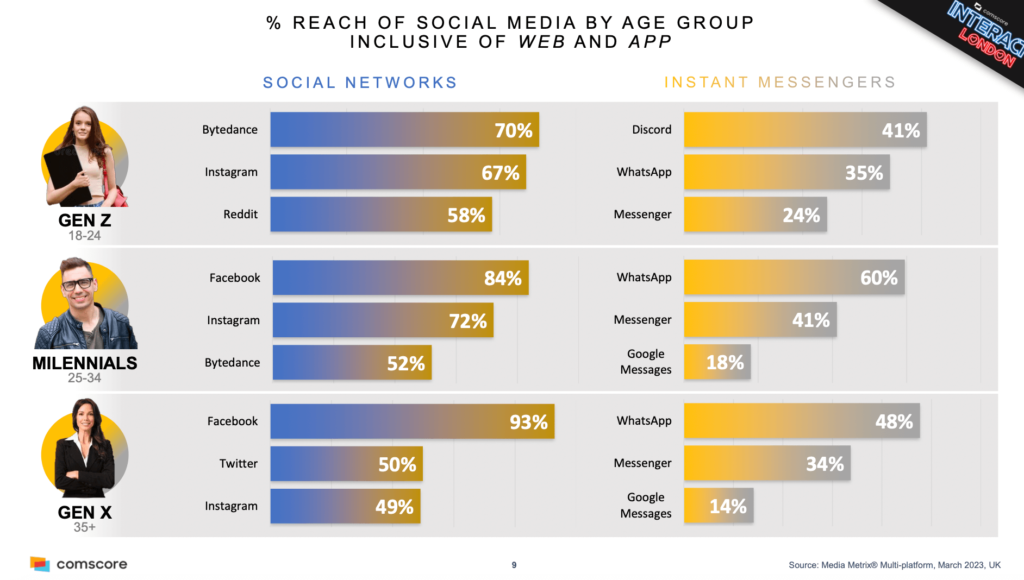
Age influences how people access and use the internet. Younger audiences often adopt new platforms quickly, while older users may prioritize communication, information, financial services, and practical online activities.
Global Internet Statistics by age group help businesses, educators, and policymakers understand differences in digital behavior.
Children and Teenagers
Children and teenagers use the internet for education, entertainment, communication, gaming, and creative activities. Online resources can provide access to educational materials and communities based on shared interests.
However, younger users may face risks involving cyberbullying, inappropriate content, privacy, scams, and excessive screen time. Parental guidance, age-appropriate controls, and digital literacy education can help reduce these risks.
Adults Between 18 and 34
Young adults frequently use the internet for social media, video streaming, online shopping, education, job searches, and professional networking.
This age group often uses mobile applications to manage daily tasks, discover brands, research products, and communicate with friends.
Businesses targeting younger audiences may benefit from mobile-friendly websites, helpful video content, transparent product information, and simple online purchasing experiences.
Adults Between 35 and 54
Adults in this age range commonly use the internet for employment, family communication, shopping, banking, education, and household management.
Many also rely on digital services to compare products, research health information, plan travel, and manage financial responsibilities.
For businesses, practical content and straightforward website navigation can help meet these users' needs.
Adults Aged 55 and Above
Older adults increasingly use the internet for video calls, news, healthcare information, entertainment, shopping, and communication with family members.
Accessible website design is particularly valuable for users who may experience visual, hearing, mobility, or other accessibility challenges.
Clear navigation, readable text, strong privacy protections, and straightforward instructions can make online services easier to use for people across all age groups.
Exact age-based internet usage rates differ by country and survey methodology, so comparisons should always use data from the same source and reporting period.
Global Internet Statistics for E-Commerce and Online Shopping
E-commerce has become a major part of the global economy. Consumers can compare products, read reviews, make payments, and arrange deliveries without visiting physical stores.
Global Internet Statistics reveal how digital connectivity supports online marketplaces, direct-to-consumer brands, subscription businesses, and international retail.
Online Shopping Continues to Expand
Online shopping allows consumers to purchase clothing, electronics, household products, digital services, food, and many other goods.
Growth has been supported by mobile payment systems, digital wallets, improved delivery networks, online advertising, and more convenient checkout processes.
Businesses can use websites and marketplaces to reach customers in different cities and countries. Small companies can also sell products without operating a large network of physical stores.
Mobile Commerce Is Important
Mobile commerce, also known as m-commerce, refers to purchases made through smartphones and other mobile devices.
Consumers often discover products through social media, search engines, email campaigns, and online advertisements before completing purchases through a mobile website or application.
Businesses should make mobile checkout simple, provide clear product descriptions, display delivery costs, and offer secure payment options.
Reviews Influence Purchase Decisions
Online reviews help customers evaluate product quality, usability, reliability, and customer service.
For health-related products, reviews can provide information about consumer experiences, but they do not replace scientific evidence or professional medical advice.
Businesses should publish accurate product information, avoid fabricated reviews, and communicate limitations honestly. Trustworthy information helps consumers make better decisions and supports long-term customer relationships.
Global Internet Statistics for Digital Marketing
The internet has changed how businesses attract customers, communicate their value, and measure marketing performance. Digital marketing enables companies to reach specific audiences through search engines, social networks, websites, email, and paid advertising.
Global Internet Statistics help marketers understand the size of online audiences and the opportunities available across different regions.
Search Engines Remain Important
Search engines help users find answers, compare products, research services, and locate businesses.
Search engine optimization, commonly called SEO, improves the visibility of websites in relevant search results. Effective SEO involves useful content, clear website structure, relevant keywords, technical performance, and a positive user experience.
Businesses should focus on answering users' questions rather than repeating keywords unnaturally. Content that provides accurate and practical information is more useful to readers.
Paid Advertising Reaches Target Audiences
Digital advertising allows businesses to display ads according to factors such as search intent, geographic location, interests, and other permitted targeting signals.
Search advertising, social media advertising, display campaigns, and video ads help companies promote products and services.
Marketers can measure impressions, clicks, conversions, acquisition costs, and revenue. These metrics help identify which campaigns deliver meaningful results.
Content Marketing Builds Long-Term Visibility
Content marketing includes blog posts, guides, tutorials, videos, comparison articles, case studies, and educational resources.
Businesses can use content to answer common questions and help potential customers understand products before purchasing them.
For websites that publish regularly, a consistent content strategy can support organic traffic, brand credibility, and audience engagement. Content should be accurate, original, easy to read, and updated when important information changes.
Internet Speed and Broadband Statistics
Internet speed affects how quickly users can load websites, download files, stream videos, and participate in video calls.
Global Internet Statistics related to broadband help explain differences in digital experiences between countries, cities, and rural communities.
Fixed Broadband Connectivity
Fixed broadband includes fiber-optic internet, cable broadband, and other high-capacity wired connections.
Fiber networks can provide high speeds and reliable service, making them suitable for households, businesses, educational institutions, and data-intensive applications.
However, fixed broadband availability and pricing vary considerably. In some locations, installation costs and infrastructure limitations restrict access.
4G and 5G Network Development
Mobile networks provide internet access without requiring a fixed connection at each location.
The expansion of 4G has made mobile internet more practical for everyday activities. 5G can improve performance in areas with suitable coverage and network capacity.
The actual speed experienced by a user depends on the operator, location, device, network congestion, and subscription plan.
Satellite Internet
Satellite internet can provide connectivity in remote regions where fiber and cellular networks are difficult to deploy.
This technology may support households, businesses, transport services, and emergency communications in underserved areas.
Performance varies by satellite system, equipment, weather conditions, and network capacity. Cost can also be a barrier for some users.
The Digital Divide: Why Billions Still Lack Internet Access
Despite substantial growth, internet access remains unequal. The digital divide refers to differences in access to digital technology, connection quality, affordability, and the skills required to use online services effectively.
Global Internet Statistics show that increasing the number of internet users is only one part of improving digital inclusion.
Internet Affordability
Internet subscriptions and mobile data packages can represent a significant expense for lower-income households.
Even when a network is available, users may not be able to afford a smartphone, computer, or regular data plan.
Affordable connectivity programs, competition among service providers, and investment in public digital infrastructure can help reduce these barriers.
Rural and Remote Connectivity
Rural communities may face limited broadband coverage because network installation can be expensive across large geographic areas with relatively few customers.
Fiber expansion, mobile broadband, satellite connections, and community networks can help improve access, depending on local conditions.
Reliable electricity and technical support are also important for maintaining internet services.
Digital Literacy
Access to a connection does not guarantee that people can use online services safely or effectively.
Digital literacy includes the ability to search for information, evaluate sources, use applications, protect personal information, identify scams, and communicate responsibly.
Education and practical training can help users benefit from internet access while reducing exposure to online risks.
Language and Accessibility Barriers
Many people face difficulties when useful online information is unavailable in their preferred language or presented in inaccessible formats.
Local-language content, accessible design, screen-reader compatibility, captions, and clear instructions can make online resources more inclusive.
Reducing these barriers helps more people participate in education, employment, healthcare information, and digital commerce.
Cybersecurity and Online Privacy Statistics
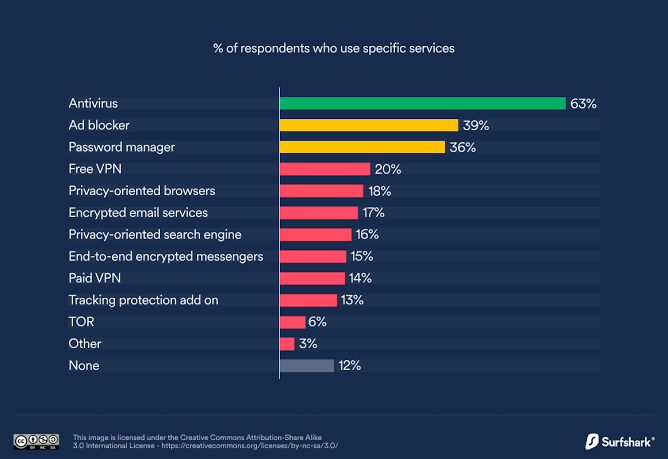
As internet usage grows, cybersecurity and privacy become increasingly important. Individuals and organizations depend on online accounts, digital payments, cloud storage, and connected devices, all of which require appropriate protection.
Global Internet Statistics related to security help demonstrate why digital safety is essential for the continued growth of online services.
Common Internet Security Threats
Internet users may encounter phishing messages, fraudulent websites, malware, account takeovers, identity theft, and deceptive advertisements.
Cybercriminals often attempt to persuade people to reveal passwords, payment details, or verification codes. These attacks can affect individuals, small businesses, and large organizations.
Users can reduce risks by using unique passwords, enabling multifactor authentication, updating devices, and verifying suspicious messages before responding.
Data Privacy
Websites and applications may collect information about user activity, device characteristics, preferences, and transactions.
Organizations should explain their data practices clearly and follow applicable privacy laws. Users should review application permissions and avoid sharing unnecessary personal information.
Privacy-conscious design helps build trust and supports responsible digital business practices.
AI and Cybersecurity
Artificial intelligence can help security teams detect suspicious activity, analyze threats, and identify unusual account behavior.
However, attackers can also use AI to create convincing phishing messages and automate certain malicious activities.
Organizations therefore need a combination of technical safeguards, employee training, incident response procedures, and regular security reviews.
How Artificial Intelligence Is Changing Internet Usage
Artificial intelligence is becoming an increasingly important part of the internet experience. AI-powered tools can help users write content, summarize information, generate images, translate languages, analyze data, and automate repetitive tasks.
Global Internet Statistics increasingly need to be understood alongside the adoption of AI applications and the growing demand for computing infrastructure.
AI Search and Information Discovery
AI-powered search features can summarize information, answer questions, and help users understand topics more quickly.
These tools may change how people discover websites and interact with online content. Businesses need to publish accurate, original, well-organized information that provides genuine value.
Search visibility can depend on relevance, usefulness, technical accessibility, and the policies of individual platforms.
AI Tools for Businesses
Businesses use AI applications for customer support, marketing, product recommendations, data analysis, and workflow automation.
Small companies can access tools that previously required specialized teams, helping them produce content, organize information, and improve customer communication.
However, AI-generated output should be checked for accuracy, originality, privacy risks, and misleading claims, especially in health-related or financial content.
The Growing Importance of Data Centers
Internet services rely on physical infrastructure, including data centers, fiber networks, servers, and energy systems.
The growth of AI, cloud computing, and video streaming increases demand for computing capacity and data transmission.
Investment in efficient infrastructure, renewable energy, and improved computing technologies may help address some of the environmental and operational challenges associated with this growth.
Future Trends in Global Internet Usage
The future of the internet will be shaped by connectivity improvements, changing consumer behavior, artificial intelligence, digital security, and the expansion of online services.
Global Internet Statistics provide a foundation for understanding these developments, although future growth rates will depend on economic conditions, infrastructure investment, and public policy.
Wider Internet Access
Governments, telecommunications companies, and technology organizations continue to invest in connectivity.
Mobile networks, fiber broadband, satellite services, and community connectivity projects may help bring more people online.
The most effective solutions will depend on local geography, household income, network availability, and affordability.
Faster and More Reliable Networks
Improvements in fiber technology, mobile networks, and network management can support more demanding online applications.
Reliable connectivity will remain important for remote work, online education, video communication, cloud computing, and digital public services.
Greater Use of Connected Devices
The Internet of Things, or IoT, connects devices such as smart home equipment, industrial sensors, vehicles, and monitoring systems.
These technologies can help automate tasks and collect information in real time. However, connected devices also introduce privacy and cybersecurity concerns that require careful management.
Growth in Digital Services
Online banking, telemedicine, e-learning, digital government services, and remote work platforms may continue to expand.
These services can improve convenience and accessibility, but their benefits depend on reliable connections, digital literacy, affordability, and suitable safeguards.
Increased Attention to Digital Trust
As people spend more time online, trust becomes increasingly important.
Users need reliable information, transparent advertising, secure payment systems, and meaningful privacy protections. Businesses that prioritize accuracy and customer safety can build stronger relationships with their audiences.
Why Global Internet Statistics Matter for Businesses
Global Internet Statistics are useful for companies planning their digital strategies. Understanding internet adoption, device usage, and regional differences helps businesses make better decisions about website design, content, advertising, and customer service.
Identifying New Markets
Countries with growing internet populations may offer opportunities for online retailers, software providers, educators, and digital service businesses.
However, businesses should consider purchasing power, local competition, language preferences, delivery infrastructure, and payment methods before entering a market.
Improving Website Performance
A fast, accessible, mobile-friendly website helps users access information and complete transactions more easily.
Businesses should optimize images, reduce unnecessary scripts, improve navigation, and test performance across different devices and network conditions.
Creating Useful Content
Internet usage data can help businesses understand what audiences need from online resources.
Educational articles, detailed product guides, comparison pages, tutorials, and frequently asked questions can help answer customer questions.
Content should be factually reliable and written for people first. Relevant keywords can improve search visibility when they fit naturally into the text.
Measuring Digital Results
Companies can use website analytics and marketing platforms to measure traffic sources, engagement, conversions, and customer acquisition costs.
These measurements help identify which channels attract valuable visitors and which pages need improvement.
Businesses should also respect privacy requirements and avoid collecting more personal information than necessary.
Must Read:
- Ecommerce Statistics: Online Shopping Trends and Facts
- Mobile Usage Statistics: Users, Trends and Key Facts
- Digital Marketing Statistics: Trends, Facts and Data
FAQs:
1. How many people use the internet worldwide?
Global Internet Statistics indicate that more than 6 billion people were using the internet around 2025. The exact figure varies according to the source, reporting date, and definition of an internet user.
2. What percentage of the world population uses the internet?
Approximately three-quarters of the global population was connected to the internet in the mid-2020s. Internet penetration varies substantially between countries and regions.
3. Which region has the largest number of internet users?
Asia has the largest internet user population, largely because of its enormous population and the extensive adoption of mobile internet in countries such as China and India.
4. What is the main way people access the internet?
Smartphones and mobile broadband are major ways people access the internet worldwide. Fixed broadband remains important for households, businesses, and activities that require reliable high-capacity connections.
5. Why is internet usage increasing?
Internet usage is growing because of more affordable smartphones, mobile data plans, expanded broadband networks, digital services, social media, online shopping, and improved connectivity in developing markets.
6. How many people are still offline?
Billions of people remain without internet access. ITU estimates for 2024 placed the offline population at approximately 2.6 billion, although the figure changes as connectivity expands and population estimates are updated.
Conclusion:
Global Internet Statistics show how dramatically the internet has changed the world. With more than 6 billion people online around 2025, internet connectivity has become an important part of communication, education, entertainment, business, healthcare information, and everyday life.
Mobile devices, broadband infrastructure, social media, e-commerce, and digital services continue to shape global internet usage. Artificial intelligence and connected technologies are also creating new opportunities for individuals and organizations.
However, important challenges remain. Billions of people still lack internet access, while affordability, digital literacy, privacy, and cybersecurity continue to affect the quality of online participation. Closing these gaps requires investment in reliable infrastructure, accessible digital services, education, and responsible technology practices.
For businesses, Global Internet Statistics provide valuable insights into audience behavior, market opportunities, mobile usage, and digital marketing strategies. For governments and communities, these figures help identify where connectivity improvements are most needed.
As the online population grows and internet technology evolves, understanding these statistics will remain essential for making informed decisions about the digital economy and the future of global connectivity.