

ChatGPT has become a major part of the artificial intelligence revolution, changing how people write, learn, work, research, and solve everyday problems. From students and freelancers to business owners and software developers, millions of people use ChatGPT to complete tasks, generate ideas, improve productivity, and access information. ChatGPT statistics help explain how quickly this technology has grown and how AI assistants are becoming part of daily life.
In 2026, ChatGPT continues to expand across countries, industries, and age groups. Users rely on it for writing assistance, coding, education, data analysis, content creation, business communication, and many other activities. Its growing capabilities have also encouraged companies to explore AI-powered workflows and new ways to support customers.
Understanding ChatGPT statistics is valuable for bloggers, digital marketers, website owners, researchers, and technology professionals. These numbers provide insight into user growth, adoption, popular applications, business usage, and the future of generative AI.
In this article, we examine ChatGPT statistics, user growth, usage trends, business adoption, popular features, and important facts about the platform in 2026.
ChatGPT Statistics at a Glance
ChatGPT was launched by OpenAI in November 2022 and quickly became one of the most widely used generative AI applications. Its simple conversational interface made it possible for people without technical expertise to interact with advanced AI models through natural language.
By 2026, ChatGPT had expanded beyond text conversations to support a broader range of activities, including image generation, voice interactions, file analysis, programming assistance, and other AI-powered tasks.
Here are some important ChatGPT statistics and milestones:
- Launch date: November 2022.
- January 2023: ChatGPT reached an estimated 100 million monthly active users, according to widely reported estimates at the time.
- August 2025: OpenAI reported nearly 700 million weekly active users.
- August 2026: OpenAI announced that ChatGPT had surpassed 1 billion weekly active users.
- June 2026: Industry estimates reported that the ChatGPT mobile app had surpassed 1 billion monthly active users.
- Business adoption: OpenAI reported 5 million paid users of its business products in August 2025.
- Popular applications: Writing, information retrieval, learning, coding, data analysis, and creative work.
- Growing trend: ChatGPT is increasingly used for recurring tasks rather than occasional questions.
These ChatGPT statistics demonstrate the platform's rapid growth and expanding role in everyday activities. However, weekly active users, monthly active users, app users, paid subscribers, and website visits are different measurements. They should not be combined or compared without considering their definitions and reporting periods.
1. How Many People Use ChatGPT in 2026?
ChatGPT has grown from an experimental AI chatbot into a platform used by a substantial portion of the global population. Its adoption reflects growing interest in AI tools that can help people write, learn, create, and complete work more efficiently.
In August 2026, OpenAI announced that ChatGPT had surpassed 1 billion weekly active users. This milestone highlights the scale of ChatGPT adoption and the growing role of AI assistants in everyday life.
Weekly active users are people who use the platform during a particular week. This measurement differs from monthly active users because some people use ChatGPT several times each week, while others may use it less frequently.
The platform serves a broad range of audiences, including students, teachers, office workers, entrepreneurs, content creators, developers, and researchers.
For example, a student might use ChatGPT to understand a difficult concept, while a digital marketer may use it to brainstorm campaign ideas. A software developer might ask for help debugging code, and a business owner may use it to prepare customer emails.
This variety of applications helps explain why ChatGPT attracts users from different professional and educational backgrounds.
However, a large user base does not mean that every user relies on ChatGPT for the same purpose. Some people use it mainly for entertainment or personal questions, while others integrate it into their daily professional workflows.
2. ChatGPT Growth Statistics Since Launch
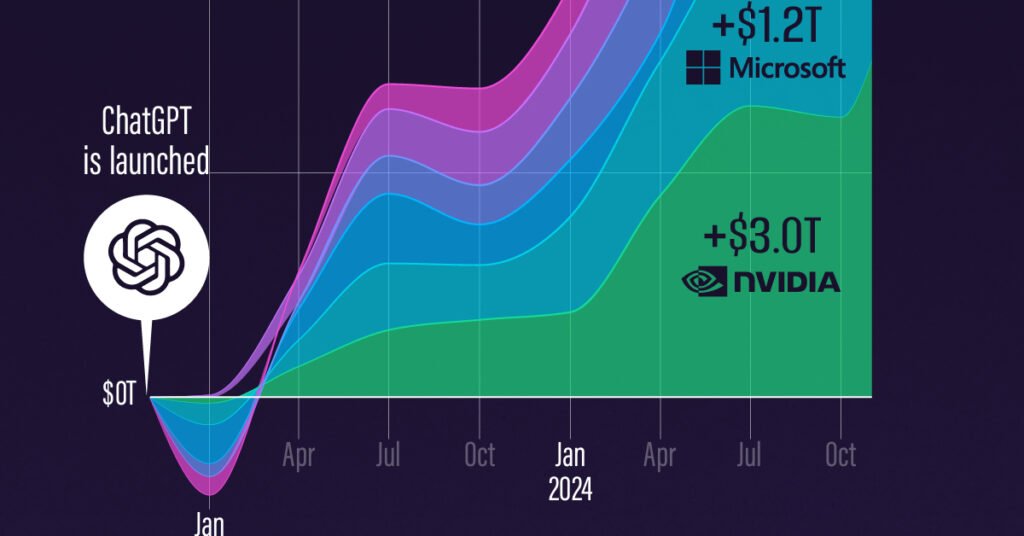
ChatGPT's growth has been unusually rapid compared with many traditional software products. Its public launch introduced millions of people to conversational AI without requiring specialized knowledge or complicated technical setup.
The platform's early adoption helped establish generative AI as a mainstream technology.
ChatGPT growth timeline
| Year | Important milestone |
|---|---|
| 2022 | ChatGPT launched in November |
| 2023 | Rapid adoption and the introduction of paid subscriptions |
| 2024 | Expanded multimodal capabilities and broader product development |
| 2025 | OpenAI reported nearly 700 million weekly active users |
| 2026 | OpenAI reported more than 1 billion weekly active users |
This timeline shows how quickly ChatGPT moved from an emerging technology to a widely used AI assistant.
Why did ChatGPT grow so quickly?
Several factors contributed to ChatGPT's popularity.
Easy access: Users can communicate with ChatGPT through ordinary language rather than learning complex commands.
Broad usefulness: The platform supports activities ranging from writing and learning to coding, planning, and data analysis.
Frequent improvements: New models and features have expanded what users can accomplish through conversations.
Free access: The availability of a free tier has allowed many people to try AI assistance without paying for a subscription.
Word-of-mouth adoption: People who find the tool useful often introduce it to colleagues, friends, classmates, and family members.
Professional applications: Businesses and independent professionals increasingly use AI tools to assist with recurring tasks.
These factors have helped ChatGPT reach people who might not previously have used AI software. Its continued growth will depend on usefulness, reliability, affordability, competition, and how effectively new features meet users' needs.
3. ChatGPT Monthly and Weekly Usage Trends
ChatGPT usage can be measured in several ways, and each metric provides a different perspective on adoption. Weekly active users show how many people use the platform within a week, while monthly active users measure activity over a longer period.
In June 2026, industry estimates reported that the ChatGPT mobile app had surpassed 1 billion monthly active users. This app-specific estimate should be distinguished from OpenAI's reported weekly active users across ChatGPT.
Mobile application figures do not necessarily represent all usage on the web or other platforms, and different measurement providers may use different methodologies.
Why do usage trends matter?
User counts reveal the scale of adoption, but recurring usage can indicate whether people find the platform useful over time.
People may initially try ChatGPT out of curiosity. If they find it helpful, they may return to ask follow-up questions, create content, analyze documents, or complete work-related tasks.
OpenAI's 2026 research on individual ChatGPT usage found that people generally sent more messages and tried a wider range of capabilities as they continued using the product.
This suggests that adoption is not only about attracting new users. It is also about helping existing users incorporate AI into more activities.
For businesses, this trend highlights the potential value of developing repeatable workflows rather than using AI only for occasional experiments.
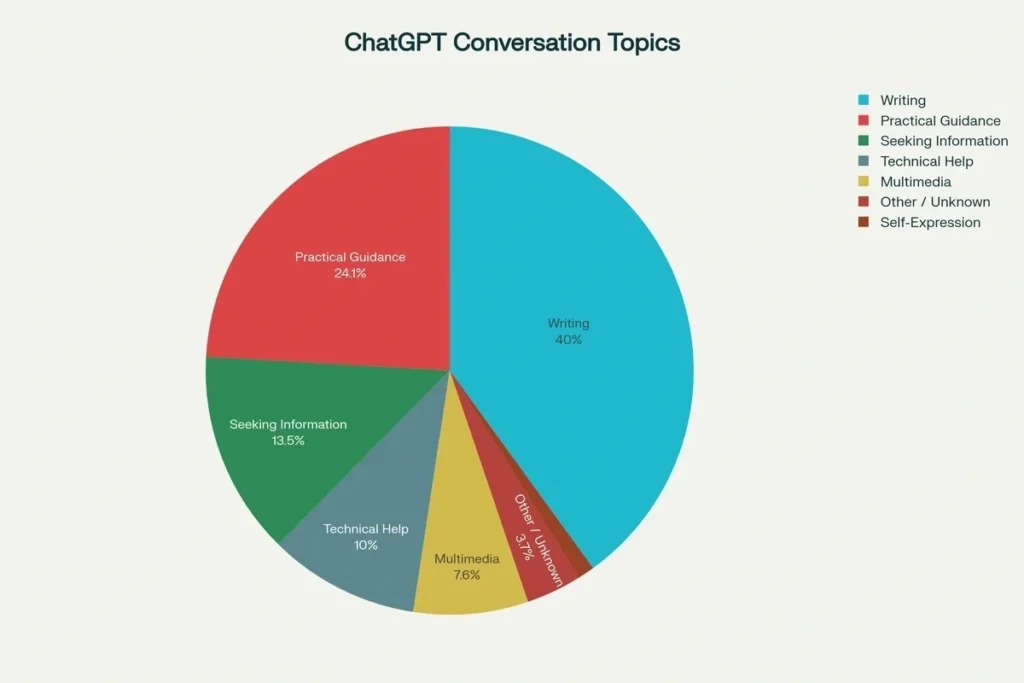
4. Most Popular Uses of ChatGPT
ChatGPT supports a wide range of activities, making it useful for both personal and professional purposes. Its flexibility allows users to ask questions, generate content, explore ideas, analyze information, and work through problems.
The popularity of different applications varies by user group, industry, and individual needs.
Writing and content creation
Writing is one of the most familiar applications of ChatGPT. Users can request help drafting emails, blog posts, product descriptions, social media captions, reports, and video scripts.
Content creators can also use ChatGPT to generate topic ideas, organize outlines, rewrite unclear sentences, and adapt content for different audiences.
However, AI-generated content should be reviewed before publication. Checking facts, adding original insights, and maintaining a consistent brand voice can improve the quality of the final result.
Learning and education
Students and educators use ChatGPT to explain difficult concepts, summarize study materials, create practice questions, and prepare lesson plans.
For example, a student learning programming can ask ChatGPT to explain a function step by step. Someone studying economics can request simple examples of inflation, supply, and demand.
The tool is most useful when it supports learning rather than replacing independent thinking. Users should verify important information and complete academic work according to their institution's rules.
Coding and software development
Developers use ChatGPT to explain code, troubleshoot errors, generate examples, write tests, and understand unfamiliar programming concepts.
It can help beginners learn programming languages and assist experienced developers with routine tasks.
Nevertheless, generated code may contain errors or security weaknesses. Developers should test outputs, review dependencies, and evaluate security implications before using code in production environments.
Research and information retrieval
ChatGPT can help users organize information, understand complex topics, compare alternatives, and develop research questions.
It is useful for preparing initial summaries and identifying areas that require further investigation. However, important claims should be checked against reliable, up-to-date sources because AI systems can produce incorrect or outdated information.
Business productivity
Professionals use ChatGPT to draft reports, prepare meeting agendas, summarize documents, organize projects, and develop communication materials.
These applications can reduce repetitive work and allow employees to spend more time on decisions that require judgment, experience, and collaboration.
5. ChatGPT Statistics for Business Adoption
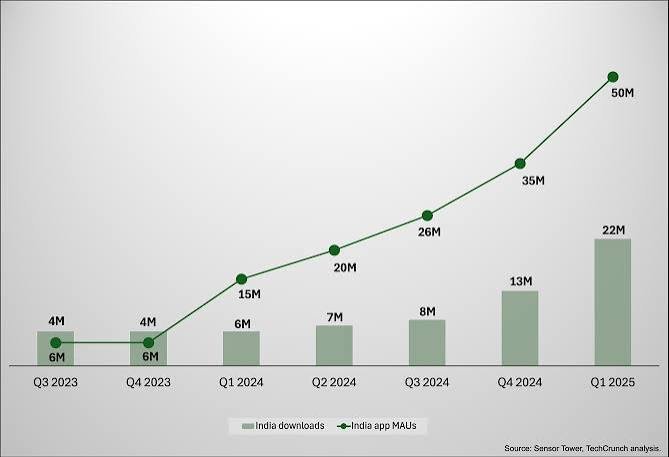
Businesses have increasingly explored ChatGPT as a tool for improving productivity, supporting employees, and developing new services. Its adoption extends across marketing, customer support, software development, education, research, and administrative work.
In August 2025, OpenAI reported that 5 million users were using its paid business products. This historical milestone demonstrates the growth of organizational adoption, although it should not be interpreted as a current 2026 total.
Business adoption involves more than individual employees using a public chatbot. Organizations may introduce managed workspaces, administrative controls, enterprise data protections, and integrations with existing systems.
How businesses use ChatGPT
Customer support: Teams can use AI to draft responses, summarize customer issues, and prepare support documentation.
Marketing: Marketers can generate campaign ideas, create content outlines, research audiences, and prepare alternative versions of advertisements.
Human resources: HR teams can draft job descriptions, prepare onboarding materials, and organize internal communications.
Sales: Sales professionals can prepare meeting notes, personalize outreach drafts, and summarize product information.
Software development: Development teams can use AI assistance for coding, documentation, debugging, and testing.
Data analysis: Users can analyze supported files, organize information, and identify patterns that require further investigation.
Businesses should evaluate AI adoption based on measurable outcomes, such as time saved, quality improvements, customer satisfaction, and reduced repetitive work.
They should also establish clear rules for confidential information, access permissions, human review, and responsible AI usage.
6. ChatGPT Usage Statistics by Age and Audience
ChatGPT is used by people with different levels of technical experience, educational backgrounds, and professional responsibilities. Early generative AI adoption attracted considerable attention from technology enthusiasts, but the user base has broadened as AI tools have become easier to use.
OpenAI's research on consumer usage in early 2026 indicated that adoption was spreading across age groups and countries. Younger users continued to account for a large share of activity, while usage among older groups also expanded.
ChatGPT appeals to different audiences for different reasons.
Students and young adults
Students may use ChatGPT for explanations, practice exercises, language assistance, brainstorming, and study planning.
Professionals
Office workers, consultants, and freelancers use AI to prepare documents, organize information, and assist with communication.
Entrepreneurs and small businesses
Business owners can use ChatGPT to develop business ideas, prepare marketing materials, create customer support resources, and improve internal processes.
Developers and technology professionals
Technical users rely on AI assistance for code explanations, troubleshooting, documentation, and software development tasks.
General consumers
Everyday users may ask for help planning trips, preparing meals, understanding unfamiliar topics, writing messages, or organizing personal projects.
These audience groups demonstrate that ChatGPT is not limited to a single profession or age category. Its appeal comes from its ability to support many different tasks through a familiar conversational interface.
7. ChatGPT Mobile App Statistics and Adoption
Mobile access is an important part of ChatGPT's growth. Smartphones allow users to interact with AI assistants while travelling, studying, working, or completing everyday tasks.
The ChatGPT mobile app provides a convenient way to continue conversations, use supported voice features, work with images, and access other available capabilities.
The reported milestone of more than 1 billion monthly active users for the ChatGPT mobile app in June 2026 highlights the scale of mobile adoption. It also reflects the broader shift toward accessing digital services through smartphones.
Why mobile AI is becoming popular
Convenience: Users can access AI assistance without opening a desktop computer.
Voice interaction: Supported voice features allow users to communicate naturally in situations where typing is less convenient.
Learning on the go: Students can ask questions or review concepts while away from their desks.
Everyday assistance: Users can request help with planning, writing, translation, and general questions.
Cross-device workflows: People can move between mobile and desktop experiences, depending on their needs and available features.
Mobile adoption also creates opportunities for businesses developing AI-powered services. However, app activity should be evaluated alongside retention, user satisfaction, engagement, and the value people receive from the product.
8. ChatGPT and Artificial Intelligence Trends in 2026
The development of ChatGPT reflects broader changes in artificial intelligence. AI systems are becoming more capable of working with different forms of information and supporting tasks that previously required several separate tools.
In 2026, important trends include multimodal interaction, improved reasoning, more personalized experiences, coding assistance, and the use of AI in professional workflows.
Multimodal AI
Multimodal AI allows systems to work with different types of information, including text, images, and audio. Depending on the available features, users can ask questions about images, discuss spoken information, or combine different types of input in a single workflow.
Personalized assistance
Memory and personalization features, where available and enabled, can help users maintain continuity across conversations. These capabilities may reduce the need to repeat preferences or project details.
Users should still review their settings and understand how personal information is handled.
AI-assisted research
AI tools can help organize research, summarize information, and compare concepts. Their usefulness depends on the quality of the underlying information and the user's ability to verify important claims.
Workflow automation
Businesses are exploring ways to connect AI with existing tools, documents, and internal processes. These integrations can help reduce manual work, although they require appropriate permissions, testing, and oversight.
AI agents and task completion
AI development is increasingly focused on systems that can help complete multi-step tasks rather than simply answer questions. Such systems may support research, planning, coding, and administrative activities, subject to their capabilities and permissions.
These trends suggest that the future of ChatGPT will involve more than conversational responses. AI assistants may increasingly help people move from asking questions to completing practical tasks.
9. ChatGPT Statistics for Bloggers and Digital Marketers
ChatGPT has become a useful tool for many bloggers and digital marketing professionals. It can assist with content planning, keyword organization, audience research, advertising ideas, and routine writing tasks.
For website owners, ChatGPT can support a more structured content production process.
SEO content planning
Marketers can use ChatGPT to brainstorm topics, organize related keywords, create article outlines, and identify questions that readers may have about a subject.
However, keyword research tools and actual search performance data should be used to validate search demand and competition.
Blog writing
ChatGPT can help draft introductions, explain technical concepts, prepare FAQs, and organize long-form articles.
Human editing remains important for accuracy, originality, brand consistency, and audience relevance.
Product descriptions
Online stores can use AI to prepare initial product descriptions, organize specifications, and develop alternative versions for different customer groups.
Product claims should be checked against verified product information, especially for health, financial, or other sensitive categories.
Social media marketing
Marketers can generate caption ideas, draft content calendars, and adapt long articles into shorter posts.
The best results come from combining AI assistance with original creative direction and an understanding of the audience.
Performance analysis
ChatGPT can assist with interpreting properly prepared datasets, identifying patterns, and explaining marketing metrics. Decisions should still be based on verified data and appropriate analytical methods.
For digital marketers, the main opportunity is not to publish the largest amount of AI-generated content. It is to use AI to improve research, productivity, and content quality while preserving human judgment.
10. ChatGPT Free and Paid User Trends
ChatGPT offers different access options, which can vary by country, availability, and product updates. These options help serve users with different budgets and usage requirements.
The free tier allows people to experience ChatGPT without committing to a paid subscription. Paid plans may provide higher usage limits, access to additional capabilities, or other benefits depending on the plan.
Free users
Free access makes AI assistance available to people who want to ask questions, write content, learn, and experiment with supported features.
Individual paid subscribers
Paid plans are designed for users who need additional capacity or access to particular features. These users may include professionals, students, researchers, and content creators.
Business and enterprise users
Organizations may choose business-focused plans for team collaboration, administration, security controls, and other workplace requirements.
The number of weekly active users does not reveal how many people pay for ChatGPT. Similarly, app downloads do not directly indicate active users or subscription revenue.
When evaluating ChatGPT's commercial growth, it is important to distinguish between adoption, engagement, subscriptions, business customers, and revenue.
11. Challenges and Limitations of ChatGPT
Although ChatGPT offers many benefits, its rapid growth also raises important questions about accuracy, privacy, security, and responsible use.
Understanding these limitations helps users benefit from AI without relying on it blindly.
Accuracy and reliability
ChatGPT can generate incorrect statements, outdated information, or answers that sound convincing but lack sufficient evidence.
Users should verify important claims, especially when making medical, legal, financial, or business decisions.
Privacy and data protection
Users should be careful when entering confidential business information, personal details, or sensitive documents. Organizations should establish clear rules for data handling and approved AI tools.
Bias and fairness
AI outputs can reflect limitations or biases present in training data and system behavior. Users should evaluate responses critically and avoid assuming that generated information is automatically neutral.
Overreliance on AI
Depending entirely on AI-generated answers can weaken independent evaluation and decision-making. ChatGPT works best when users apply their own judgment and subject knowledge.
Copyright and originality
AI-generated material may require careful review for originality, accuracy, and appropriate use. Businesses should ensure that published content meets their quality standards and applicable legal requirements.
Addressing these challenges is important for sustainable AI adoption. Responsible usage helps organizations and individuals gain value while reducing avoidable risks.
12. The Future of ChatGPT: What to Expect
ChatGPT's future will depend on continued improvements in AI capabilities, user experience, reliability, and integration with everyday tools.
One likely direction is deeper integration into professional workflows. Instead of using AI only to generate text, people may increasingly rely on it to organize projects, analyze information, prepare documents, and coordinate multi-step tasks.
Another important trend is the expansion of multimodal interaction. Text, voice, images, and other supported inputs may become more closely integrated into a single assistant experience.
Businesses are also likely to continue exploring AI for customer support, software development, research, marketing, and internal operations.
At the same time, competition in the AI industry will remain important. Other AI assistants and specialized tools may offer different capabilities, pricing structures, and integrations. Users and businesses will need to evaluate which solutions best meet their requirements.
The most meaningful measure of ChatGPT's future success will not simply be the number of registered accounts or weekly users. It will also depend on how reliably the platform helps people complete useful tasks, learn new skills, and make informed decisions.
Must Read:
- Google Search Statistics: Users, Searches and Key Facts
- Website Statistics: Websites, Users, Traffic and Growth
- Blogging Statistics: Bloggers, Blogs, Traffic and Revenue
FAQs:
How many people use ChatGPT in 2026?
OpenAI announced in August 2026 that ChatGPT had surpassed 1 billion weekly active users. This figure measures weekly activity and should not be confused with monthly app users, registered accounts, or paying subscribers.
When was ChatGPT launched?
ChatGPT launched in November 2022. Its conversational interface helped make generative AI accessible to a broad audience and contributed to the rapid growth of public interest in AI assistants.
How quickly did ChatGPT grow?
ChatGPT reached an estimated 100 million monthly active users in early 2023, according to widely reported estimates at the time. By August 2025, OpenAI reported nearly 700 million weekly active users, and in August 2026 it announced more than 1 billion weekly active users.
What do people use ChatGPT for most often?
Common uses include writing, information retrieval, learning, coding, brainstorming, data analysis, and creative work. The popularity of each use case varies by audience, profession, and individual needs.
How many people use the ChatGPT mobile app?
Industry estimates reported that the ChatGPT mobile app surpassed 1 billion monthly active users in June 2026. Mobile app usage is a different measurement from ChatGPT's total weekly active users across available platforms.
Is ChatGPT popular among businesses?
Yes. Businesses use ChatGPT and related AI products for writing, customer support, coding, marketing, research, and productivity. Adoption varies by organization, industry, and the tasks being automated or supported.
How does ChatGPT help digital marketers?
ChatGPT can assist with content planning, SEO outlines, advertising ideas, social media captions, product descriptions, and data interpretation. Marketers should verify facts, validate keyword demand, and review generated content before publishing it.
Will ChatGPT continue to grow?
Continued growth will depend on usefulness, reliability, pricing, competition, and the development of new features. Broader AI adoption suggests continued opportunities, but future growth rates cannot be guaranteed.
Conclusion:
ChatGPT statistics show how quickly conversational AI has moved from an emerging technology to a widely used digital tool. OpenAI's announcement of more than 1 billion weekly active users in August 2026 highlights the platform's enormous scale and growing role in everyday life.
Users rely on ChatGPT for writing, education, research, coding, content creation, and professional productivity. Businesses are also exploring AI-powered workflows to improve efficiency and support employees.
At the same time, user growth is only one part of the story. Accuracy, privacy, reliability, responsible usage, and measurable value remain important considerations for individuals and organizations.
For bloggers, website owners, marketers, and technology professionals, ChatGPT presents opportunities to improve research, streamline repetitive tasks, and support creative work. The most effective approach is to combine AI assistance with human expertise, verified information, and thoughtful decision-making.
As AI technology continues to develop, ChatGPT will remain an important platform to watch for changes in user behavior, digital productivity, and the future of artificial intelligence.