


Ecommerce has transformed how people buy and sell products and services. Consumers can now shop for clothing, electronics, groceries, software, home decor, and countless other products without visiting a physical store. Businesses of all sizes use ecommerce websites, online marketplaces, mobile applications, and social media to reach customers and generate revenue.
Ecommerce statistics provide valuable insights into online shopping behavior, digital sales, mobile commerce, payment preferences, customer expectations, and emerging retail trends. These figures help businesses understand what shoppers want and how the ecommerce industry is changing.
From mobile shopping and digital wallets to artificial intelligence and social commerce, online retail continues to evolve. Understanding these ecommerce trends can help retailers, marketers, entrepreneurs, and website owners make better decisions about products, customer experience, advertising, and sales strategies.
What Is Ecommerce?
Ecommerce, or electronic commerce, refers to buying and selling products or services through the internet. Transactions can take place through online stores, marketplaces, mobile applications, and other digital platforms.
Ecommerce includes physical products, digital downloads, software subscriptions, online courses, bookings, and various professional services.
Main Types of Ecommerce
Ecommerce businesses generally operate through several business models.
- Business-to-consumer (B2C): Businesses sell products directly to individual customers.
- Business-to-business (B2B): Companies sell products or services to other businesses.
- Consumer-to-consumer (C2C): Individuals sell products to other individuals through marketplaces or classified platforms.
- Direct-to-consumer (D2C): Brands sell directly to customers without relying entirely on traditional retailers.
- Consumer-to-business (C2B): Individuals provide products or services to businesses, such as freelance work or licensed content.
Each model has different customer acquisition methods, pricing structures, operational requirements, and revenue opportunities.
Global Ecommerce Growth
Ecommerce has become a major part of the global retail industry. Improvements in internet access, digital payments, logistics, mobile technology, and online shopping experiences have made purchasing products online easier for consumers.
Businesses can sell to customers across geographical boundaries, although shipping costs, regulations, taxes, and local market conditions affect their ability to operate internationally.
Why Online Shopping Continues to Grow
Several factors support ecommerce growth:
- Convenience and time savings
- Wider product selection
- Easy price comparisons
- Home delivery
- Online product reviews
- Digital payment options
- Mobile shopping applications
- Personalized recommendations
- Access to international brands
- Growth of small online businesses
These advantages have helped online shopping become a regular purchasing method for many consumers.
Ecommerce Sales and Market Growth
Global ecommerce sales represent a significant share of retail activity, although estimates vary depending on the products, services, countries, and transaction types included.
The United Nations Conference on Trade and Development has highlighted the importance of digital commerce and the expansion of online sales across economies. However, figures from different research organizations should not be compared without checking their definitions and reporting periods.
For businesses, the most useful approach is to examine overall market trends alongside category-specific demand, local purchasing behavior, and customer spending patterns.
Online Shopping Statistics and Consumer Behavior
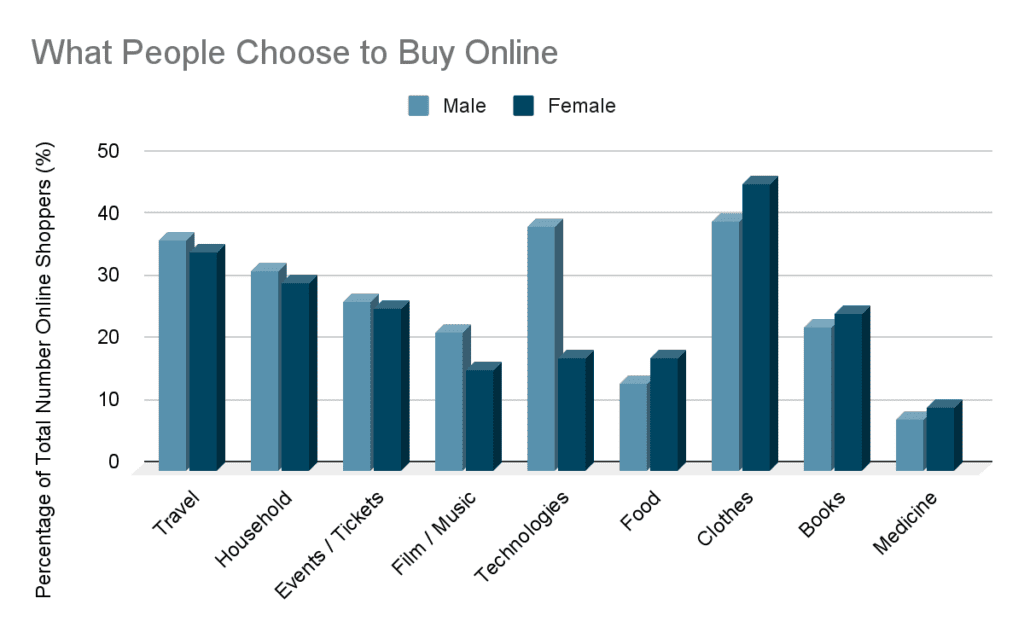
Consumer behavior plays a major role in ecommerce performance. Understanding why people shop online, how they compare products, and what encourages them to complete purchases can help businesses improve their sales strategies.
Convenience Is a Major Shopping Factor
Online stores allow customers to browse products at different times and from different locations.
Consumers can compare features, check prices, read reviews, and place orders without visiting several physical stores. Many retailers also provide order tracking, flexible delivery options, and online customer support.
However, convenience alone does not guarantee a purchase. Customers also consider product quality, price, delivery charges, return policies, and the trustworthiness of the seller.
Product Reviews Influence Buying Decisions
Online reviews help customers evaluate products before making a purchase.
Reviews may explain product performance, sizing, durability, ease of use, delivery experiences, and customer service quality.
Businesses can encourage genuine feedback after purchases and use customer comments to identify areas for improvement.
Fake reviews and misleading ratings can damage trust, so ecommerce companies should follow applicable rules and avoid manipulating customer feedback.
Price Comparison and Discounts
Consumers can compare prices across multiple websites within minutes.
Discounts, seasonal sales, loyalty programs, and promotional codes can encourage purchases, but shoppers may also compare shipping costs, warranties, return policies, and overall value.
Retailers should focus on transparent pricing and sustainable offers rather than relying exclusively on discounts.
Mobile Commerce Statistics
Mobile commerce, often called m-commerce, refers to purchasing products and services through smartphones and other mobile devices.
Smartphones have become important shopping tools because customers can search for products, watch demonstrations, read reviews, and complete transactions from almost anywhere.
Mobile Shopping Trends
Mobile devices support several stages of the buying journey.
Customers may discover products through social media, search for reviews, visit an online store, compare prices, and make a purchase on their phones.
Retailers can support mobile shoppers through responsive website design, clear product information, simple navigation, and secure checkout processes.
Improving Mobile Shopping Experiences
A mobile-friendly ecommerce website should include:
- Readable product descriptions
- Clear product images
- Fast-loading pages
- Easy navigation
- Visible pricing and delivery details
- Touch-friendly buttons
- Simple checkout forms
- Secure payment options
A complicated mobile experience can discourage shoppers from completing a purchase.
Ecommerce Payment Methods
Payment options influence the online shopping experience. Customers want payment methods that are convenient, secure, and familiar.
Digital Wallets
Digital wallets allow consumers to make payments using supported applications and devices.
They can reduce the need to enter payment details repeatedly and may support biometric authentication or other security measures.
Availability varies by country, banking system, merchant, and device.
Credit and Debit Cards
Credit and debit cards remain important online payment methods in many markets.
Retailers must use appropriate payment processing systems and security controls to protect customer information.
Buy Now, Pay Later
Buy now, pay later services allow eligible customers to split purchases into installments under specific terms.
These services can affect purchasing decisions, but they also carry potential costs and repayment obligations for consumers.
Businesses offering installment payments should present the applicable terms clearly and comply with local regulations.
Cash on Delivery and UPI in India
Cash on delivery remains relevant in some ecommerce markets, including India, where certain customers prefer paying when an order arrives.
Digital payments, including India's Unified Payments Interface (UPI), also support convenient online transactions.
The popularity of payment methods varies by customer segment, transaction value, merchant type, and location.
Social Commerce Statistics
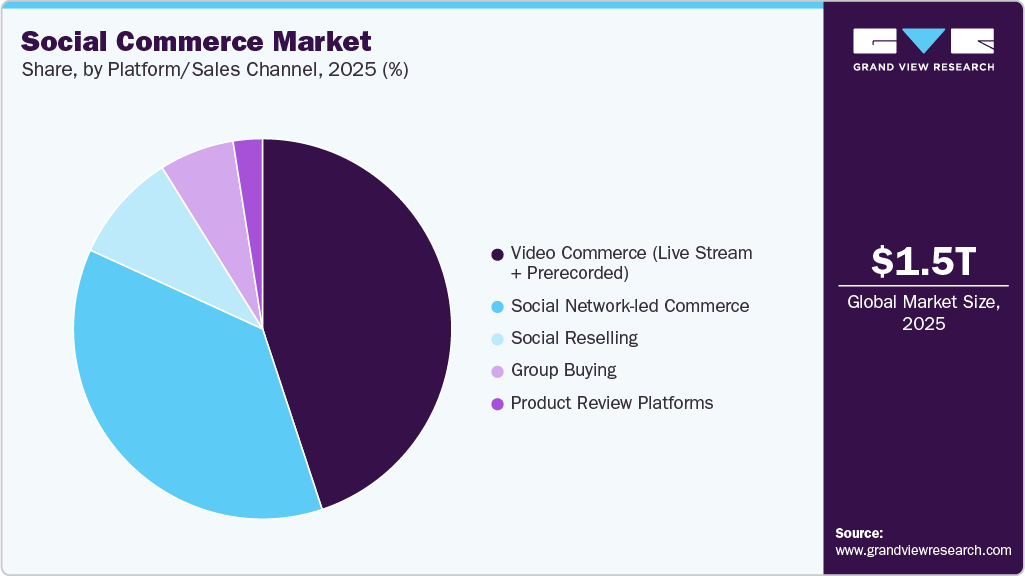
Social commerce involves discovering, promoting, and purchasing products through social media platforms and related shopping experiences.
Instagram, Facebook, TikTok, Pinterest, and other platforms can help businesses connect product content with interested audiences.
How Social Media Influences Shopping
Consumers may discover products through short videos, creator recommendations, tutorials, customer stories, and sponsored posts.
For example, a home decor brand can show how cushion covers change the appearance of a living room. A technology company can demonstrate how its software solves a particular problem.
This type of content helps shoppers understand how a product might fit into their lives.
Influencer Marketing and Ecommerce
Influencer partnerships allow brands to reach audiences through creators who focus on specific interests.
Campaigns may involve product reviews, demonstrations, unboxing videos, tutorials, or affiliate links.
Businesses should evaluate influencer campaigns using audience relevance, engagement, website traffic, sales, and customer acquisition costs rather than relying only on follower counts.
Ecommerce Categories and Popular Products
Online shopping covers a wide range of product categories. Demand varies by market, season, consumer preferences, purchasing power, and product availability.
Fashion and Apparel
Clothing, footwear, accessories, and related products are common ecommerce categories.
Clear size charts, product photographs, fabric descriptions, and straightforward return policies can help customers make informed purchasing decisions.
Electronics and Technology
Consumers buy smartphones, computers, accessories, smart devices, and other technology products online.
Detailed specifications, compatibility information, comparison guides, warranties, and verified reviews can support purchasing decisions.
Beauty and Personal Care
Beauty and personal care products benefit from tutorials, ingredient information, demonstrations, and customer reviews.
Businesses should provide accurate product descriptions and avoid unsupported claims, especially for products associated with health or skin benefits.
Home and Lifestyle
Home decor, furniture, kitchen accessories, storage products, and household items are popular subjects for online product discovery.
Images showing products in real-life settings can help shoppers understand size, appearance, and practical uses.
Digital Products
Ecommerce also includes digital products such as ebooks, software, templates, online courses, and downloadable resources.
These products can be delivered electronically, reducing the need for physical inventory and shipping.
Shopping Cart Abandonment
Shopping cart abandonment occurs when a customer adds products to an online cart but does not complete the purchase.
It is an important ecommerce challenge because it can indicate friction in the buying process.
Common Reasons for Abandonment
Customers may leave their carts because of:
- Unexpected shipping costs
- High additional fees
- Complicated checkout
- Mandatory account creation
- Limited payment options
- Slow website performance
- Unclear delivery dates
- Concerns about security
- Complicated return policies
- Unexpected price changes
Not every abandoned cart represents a lost sale. Some customers use carts to compare prices or save products for later.
How Businesses Can Reduce Abandonment
Retailers can improve checkout completion by displaying total costs early, offering convenient payment methods, simplifying forms, and communicating delivery expectations clearly.
Where permitted, businesses may also use consent-based email reminders or retargeting campaigns to encourage interested shoppers to return.
Ecommerce Delivery and Returns
Delivery and returns are important parts of the online shopping experience.
Customers want clear delivery estimates, reasonable shipping costs, reliable tracking, and a straightforward process if a product arrives damaged or does not meet expectations.
Fast and Reliable Shipping
Delivery speed can influence where customers choose to shop, but reliability and cost also matter.
Retailers should communicate realistic delivery timelines instead of promising speeds they cannot consistently achieve.
Returns and Refunds
A clear returns policy can help customers feel more confident when purchasing products online.
Businesses should explain eligibility, return windows, refund methods, and any relevant shipping costs before checkout.
For categories such as clothing and footwear, accurate sizing and detailed product information may help reduce avoidable returns.
Ecommerce Advertising and Digital Marketing
Digital marketing helps ecommerce businesses attract visitors and convert them into customers.
Common marketing channels include SEO, paid search, social media advertising, email marketing, affiliate marketing, influencer partnerships, and content marketing.
Search Engine Optimization for Ecommerce
Ecommerce SEO helps product pages, category pages, and buying guides appear in relevant search results.
Important factors include descriptive product titles, useful product information, clear site architecture, internal linking, structured data, mobile usability, and page performance.
Product availability and pricing should also remain accurate so that shoppers receive reliable information.
Paid Advertising
Retailers use paid advertising to promote products to audiences based on relevant targeting options and campaign objectives.
Campaigns may focus on product sales, website visits, brand awareness, or customer acquisition.
Useful metrics include cost per click, conversion rate, cost per acquisition, average order value, and return on advertising spend.
Email Marketing
Email marketing helps ecommerce businesses communicate with customers after they subscribe or make a purchase.
Common campaigns include newsletters, product announcements, order updates, educational content, and personalized recommendations.
Businesses should respect consent requirements and provide clear unsubscribe options where applicable.
Artificial Intelligence in Ecommerce
Artificial intelligence is changing how ecommerce businesses manage product discovery, customer support, marketing, and operations.
Personalized Product Recommendations
Recommendation systems can suggest products based on browsing activity, purchase history, preferences, and other available signals.
Relevant recommendations may help customers find suitable products more quickly, although poor recommendations can create a frustrating experience.
AI Chatbots and Customer Support
AI-powered chatbots can answer common questions about products, delivery, order tracking, and return policies.
More complex requests may still require a human support representative.
Businesses should ensure that automated responses are accurate and that customers can access appropriate assistance when needed.
AI for Inventory and Demand Forecasting
Retailers can use analytical tools to estimate demand, identify purchasing patterns, and manage inventory.
Better forecasting may help businesses reduce stock shortages and excess inventory, although results depend on data quality and changing market conditions.
Ecommerce Conversion Rates and Revenue
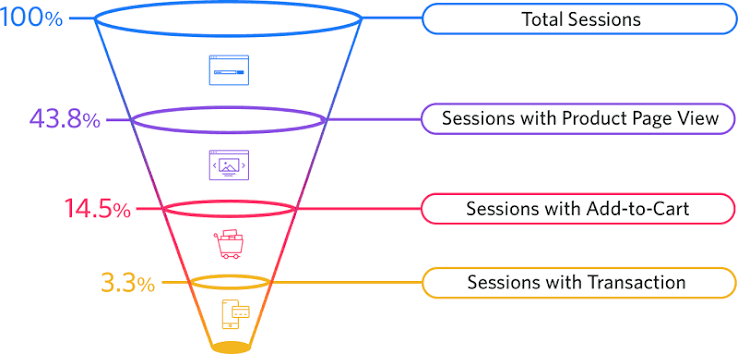
Website traffic is important, but ecommerce success also depends on how effectively visitors complete purchases.
Conversion rate measures the percentage of visitors or sessions that complete a specified action, depending on the reporting method.
Average Order Value
Average order value (AOV) measures the average amount customers spend per order.
Businesses may improve AOV through relevant product bundles, complementary recommendations, or volume discounts, provided these offers genuinely benefit customers.
Customer Acquisition Cost
Customer acquisition cost (CAC) estimates how much a business spends to acquire a customer.
Retailers should evaluate CAC alongside customer lifetime value, profit margins, repeat purchases, and returns.
A campaign that generates many orders may still be unprofitable if acquisition costs and operating expenses are too high.
Customer Retention
Repeat customers can contribute significantly to long-term ecommerce performance.
Loyalty programs, useful product updates, reliable customer support, and relevant follow-up communication can help encourage repeat purchases.
Retention strategies should prioritize customer value rather than sending excessive promotional messages.
Ecommerce Trends Shaping the Future
The ecommerce industry continues to evolve as technology, customer expectations, and retail business models change.
Omnichannel Shopping
Customers increasingly interact with brands through multiple channels, including websites, mobile applications, physical stores, email, and social media.
Omnichannel strategies aim to provide consistent product information, service, and purchasing experiences across these touchpoints.
Subscription Commerce
Subscription models allow customers to receive products or services on a recurring basis.
Examples include software subscriptions, curated product boxes, and regularly replenished household items.
Clear pricing, flexible cancellation options, and consistent value are important for retaining subscribers.
Sustainable Ecommerce
Some consumers consider packaging, product durability, sourcing, and delivery practices when shopping online.
Retailers can respond by providing accurate product information, reducing unnecessary packaging, and communicating sustainability claims transparently.
Augmented Reality and Virtual Product Experiences
Augmented reality tools can help shoppers visualize products such as furniture, accessories, or home decor in their surroundings.
These experiences may reduce uncertainty, although their usefulness depends on product category, implementation quality, and customer preferences.
Must Read:
- Digital Marketing Statistics: Trends, Facts and Data
- Mobile Usage Statistics: Users, Trends and Key Facts
- Digital Marketing Statistics: Trends, Facts and Data
FAQs:
What are ecommerce statistics?
Ecommerce statistics are data points that measure online sales, consumer behavior, mobile shopping, payment methods, conversion rates, delivery preferences, and other aspects of digital commerce.
Why is ecommerce growing?
Ecommerce growth is supported by convenience, mobile internet, digital payments, online marketplaces, product choice, and improvements in delivery and website technology.
What products sell well online?
Popular categories include fashion, electronics, beauty, home goods, digital products, and many specialized products. Demand varies by market, competition, pricing, and customer needs.
What is mobile commerce?
Mobile commerce refers to buying and selling products or services through smartphones and other mobile devices.
How can ecommerce businesses increase sales?
Businesses can improve sales through better product pages, mobile optimization, SEO, relevant advertising, convenient payments, reliable delivery, and a simpler checkout experience.
What is ecommerce conversion rate?
Ecommerce conversion rate measures the percentage of visitors or sessions that complete a specified action, commonly a purchase. The calculation method should remain consistent when comparing performance.
How does AI help ecommerce businesses?
AI can support product recommendations, customer service, content creation, demand forecasting, inventory management, and marketing analysis.
Conclusion:
Ecommerce statistics reveal how online shopping is changing retail, consumer behavior, and business growth. Mobile commerce, digital payments, social commerce, personalized recommendations, and convenient delivery have expanded the ways customers discover and purchase products.
For retailers, the most useful insights extend beyond total online sales. Shopping cart abandonment, conversion rates, customer acquisition costs, average order value, repeat purchases, and customer satisfaction can help explain business performance.
As technology continues to evolve, ecommerce businesses will need to balance convenience, personalization, security, reliable delivery, and transparent customer communication.
Whether a business sells physical products, digital downloads, software, or services, a successful ecommerce strategy starts with understanding customer needs and creating a trustworthy shopping experience.