

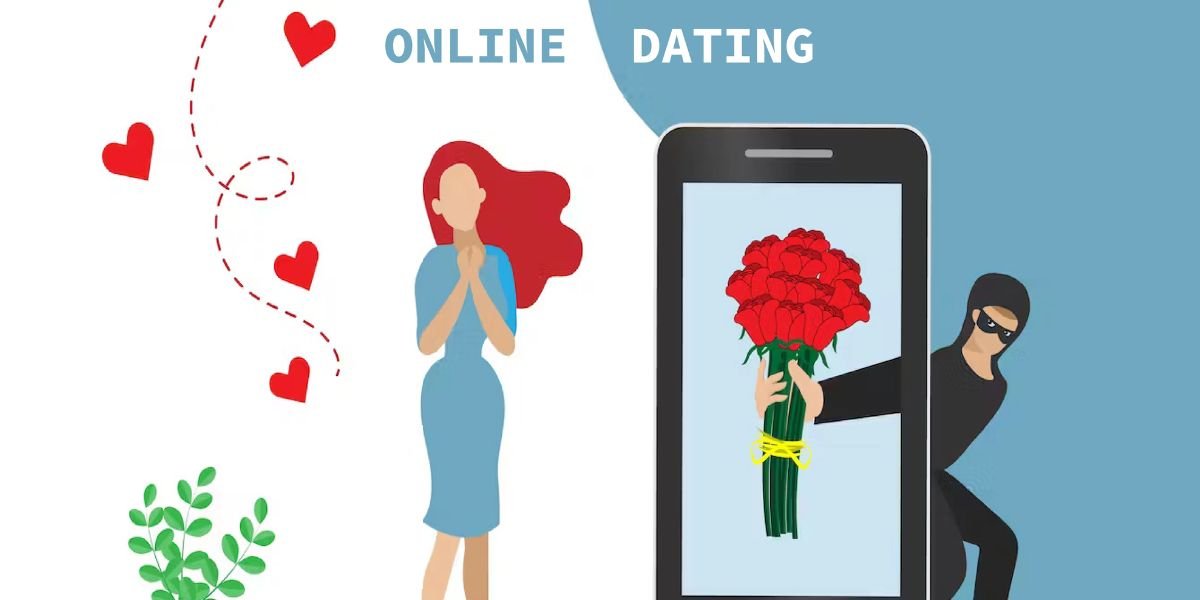
What Are Some Common Online Dating Scams? Online dating has become a normal way to meet new people. Apps and social platforms make it easy to connect, chat, and build relationships. But this convenience has also created opportunities for scammers.
Online dating scams are increasing because they rely on emotions rather than technology. Scammers build trust, create fake relationships, and then use that connection to ask for money or personal information.
Many people do not realise they are being targeted until it is too late. That is why awareness is important.
What Are Online Dating Scams?
Online dating scams are frauds where someone pretends to be interested in a relationship to gain trust and then exploit it.
These scams usually involve:
- Fake profiles
- Emotional manipulation
- Requests for money
- Avoiding real interaction
The goal is to build a connection first and then take advantage of it.
Most Common Online Dating Scams
Online dating scams are becoming more common as scammers use fake profiles and emotional tactics to gain trust. Knowing the most common scams helps you recognise warning signs and avoid losing money or personal information.
1. Romance Emergency Scam
The scammer builds a relationship and then creates an emergency.
Examples:
- Medical issue
- Travel problem
- Family crisis
They ask for money urgently.
2. Military or Overseas Professional Scam
They claim to be:
- Military personnel
- Doctors
- Engineers working abroad
They say they cannot meet in person but want to build a relationship.
3. Investment or Crypto Scam
They gain your trust and then suggest:
- Investment opportunities
- Crypto trading
They promise high returns.
4. Gift or Package Scam
They say they are sending a gift.
Later, you are asked to pay:
- Shipping fees
- Customs charges
The package never arrives.
5. Verification Code Scam
They ask you to share a code sent to your phone.
This can give them access to your account.
6. Fake Profile Scam (Catfishing)
They use stolen photos and fake identities.
They avoid video calls and real meetings.
How These Scams Usually Work
Online dating scams follow a pattern:
- Create an attractive fake profile
- Start friendly conversation
- Build emotional connection
- Gain trust over time
- Create a problem
- Ask for money or information
This process can take weeks or months.
Warning Signs to Watch
- Quick declarations of love
- Refusal to meet or video call
- Asking for money
- Inconsistent stories
- Poor grammar or unusual language
- Requests for personal information
These are strong red flags.
Why People Fall for These Scams

Scams work because they target emotions, trust, and quick decision-making. When people feel pressured or emotionally connected, they are more likely to act without verifying the situation.
Emotional Connection
People trust someone they feel connected to.
Loneliness
Scammers target people looking for companionship.
Trust Building
They spend time gaining trust.
Urgency
They create pressure to act quickly.
How to Stay Safe on Dating Platforms
Online dating can be safe if you take the right precautions. By verifying profiles, protecting your personal information, and avoiding quick trust, you can reduce the risk of scams.
Verify Profiles
- Check photos using reverse image search
- Look for real social media presence
Avoid Sharing Personal Information
Do not share:
- Address
- Financial details
- Private photos
Do Not Send Money
Never send money to someone you have not met.
Use Platform Messaging
Avoid moving conversations to private apps too quickly.
What To Do If You Are Targeted
- Stop communication immediately
- Block the account
- Report the profile on the platform
- Inform your bank if money was sent
- Save conversation evidence
You can report scams to:
- Federal Trade Commission
- FBI Internet Crime Complaint Center
Table: Scam Type vs Red Flag
| Scam Type | What They Do | Red Flag |
|---|---|---|
| Emergency Scam | Ask for urgent money | Sudden crisis |
| Military Scam | Claim overseas job | Cannot meet |
| Investment Scam | Offer high returns | Too good to be true |
| Gift Scam | Send fake package | Ask for fees |
| Fake Profile | Use stolen photos | Avoid video calls |
Quick Safety Checklist
Before trusting someone online:
- Have you verified their identity
- Have you had a real video call
- Are they asking for money
- Are their stories consistent
- Are they avoiding meeting
If something feels wrong, stop immediately.
Must Read:
- What Is the Safest Two-Factor Authentication?
- Why Am I Suddenly Getting a Lot of Spam Emails?
- Why Clearing Cache and Cookies Matters?
Final Thoughts:
Online dating scams are powerful because they use emotions instead of technical tricks. That is why they can affect anyone.
The best protection is awareness and patience. Do not rush into trust, verify everything, and never send money without meeting in person.
Stay alert, protect your feelings, and make safe choices while connecting online.