

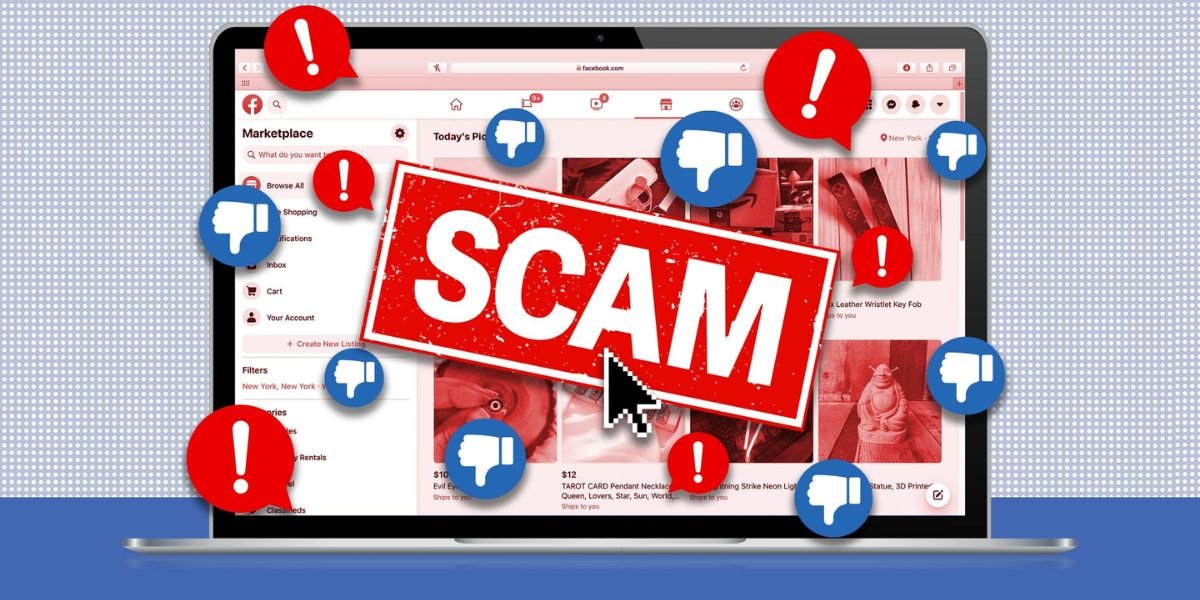
Facebook Marketplace has become one of the easiest ways to buy and sell items locally. From furniture to electronics, people use it daily to find deals and make quick sales. The convenience is real, and the platform feels familiar because it is part of Facebook.
But with that convenience comes risk. Facebook Marketplace scams are growing fast, targeting both buyers and sellers. Scammers take advantage of trust, urgency, and the informal nature of peer-to-peer transactions.
This guide gives you a clear and practical breakdown of Facebook Marketplace scams to avoid. You will learn how these scams work, how to spot warning signs, and how to protect your money and personal information.
What Are Facebook Marketplace Scams?
Facebook Marketplace scams are fraudulent activities where scammers pose as buyers or sellers to trick users into sending money, sharing personal information, or completing unsafe transactions.
These scams often involve:
- Fake product listings
- Non-delivery of items after payment
- Overpayment tricks
- Phishing links
- Fake profiles
The goal is simple. Scammers want quick money or access to your data. Since transactions are often informal, it becomes easier for them to operate without immediate detection.
Why Scams Are Increasing on Facebook Marketplace
Several reasons explain why Facebook Marketplace scams are becoming more common.
First, the platform has a massive user base. Millions of people use it daily, creating a large pool of potential targets.
Second, transactions often happen directly between users. There is limited platform intervention compared to traditional e-commerce websites.
Third, many users trust profiles without verifying them. A profile picture and a few posts can create a false sense of legitimacy.
Fourth, quick deals encourage rushed decisions. People want to grab good offers fast, which reduces caution.
All these factors make it easier for scammers to succeed.
How Facebook Marketplace Scams Usually Work
Most scams follow a simple pattern.
- Listing or Contact
A scammer posts an attractive deal or responds to your listing. - Conversation Moves Fast
They push to close the deal quickly. - Payment Request
They ask for advance payment or suggest unusual payment methods. - Excuse or Delay
After payment, they delay delivery or create excuses. - Disappearance
The scammer stops responding or deletes their profile.
In some cases, scammers flip the role and act as buyers to trick sellers.
Most Common Facebook Marketplace Scams to Avoid

1. Fake Listing Scam
Scammers post items at very low prices to attract buyers. Once you send payment, the item never arrives.
2. Advance Payment Scam
The seller asks for a deposit to “hold” the item. After payment, communication stops.
3. Overpayment Scam
A fake buyer sends a higher amount and asks you to refund the extra. The original payment later fails or is reversed.
4. Shipping Scam
The scammer claims they will ship the item after payment but never sends anything.
5. Phishing Link Scam
You receive a link asking for payment or verification. It leads to a fake page that steals your login or card details.
6. Fake Rental Listings
Properties are listed at low prices. Victims pay booking fees without ever seeing the property.
Real-Life Example of a Facebook Marketplace Scam
A user found a high-end smartphone listed at a very low price. The seller claimed they needed urgent money and asked for a quick payment to reserve the item.
The buyer sent the money through a digital wallet. After that, the seller stopped replying. The listing disappeared, and the profile was deleted.
Later, the buyer realised that the same photos were being used in multiple fake listings.
This kind of situation happens daily across the platform.
Red Flags Every Buyer and Seller Should Notice
Being alert to warning signs can prevent losses.
- Prices that seem too low
- Pressure to act quickly
- Requests for advance payment
- Refusal to meet in person
- Poor profile history or new accounts
- Requests to move conversation outside Facebook
- Unusual payment methods
If something feels off, it usually is.
Facebook Marketplace Scam Types and Protection Actions
| Scam Type | How It Works | Protection Action |
|---|---|---|
| Fake Listings | Items never delivered after payment | Avoid paying before inspection |
| Advance Payment | Deposit requested to hold item | Pay only at time of exchange |
| Overpayment Scam | Fake extra payment with refund request | Never refund without verifying funds |
| Shipping Scam | Seller promises shipping but disappears | Prefer local meetups |
| Phishing Links | Fake payment or login pages | Avoid clicking unknown links |
| Fake Rentals | Non-existent property listings | Verify property before payment |
How Scammers Target Victims
Scammers use multiple ways to find targets.
- Posting attractive deals
- Messaging people who list items
- Using fake profiles with basic activity
- Targeting users who seem inexperienced
They often look for people who are eager to buy or sell quickly. The faster the decision, the easier the scam.
Psychological Tricks Used by Scammers
Scammers rely heavily on emotional triggers.
- Urgency: “Someone else is interested”
- Scarcity: “Last item available”
- Trust building: Friendly and responsive communication
- Pressure: Quick payment requests
These tactics push users to act without proper checks.
Safety Checklist Before Buying or Selling
Use this checklist every time you use Facebook Marketplace.
- Check the seller or buyer profile carefully
- Avoid deals that seem too good to be true
- Meet in a public place when possible
- Inspect items before paying
- Avoid advance payments
- Use secure payment methods
- Keep communication within Facebook
Following this checklist reduces your risk significantly.
Safe Payment Methods to Use
Choosing the right payment method is critical.
- Cash for local transactions
- Trusted digital payment platforms with buyer protection
- Avoid wire transfers or gift cards
- Do not share OTP or banking details
Safe payments provide an extra layer of protection.
What To Do If You Get Scammed
If you fall victim to a Facebook Marketplace scam, act quickly.
- Stop further payments
- Save all chat and transaction proof
- Report the scam on Facebook
- Contact your bank or payment provider
- File a complaint with cybercrime authorities
- Inform others to prevent further scams
Quick action can reduce damage and improve recovery chances.
How to Report Scams on Facebook Marketplace
Reporting helps protect others.
- Go to the conversation or listing
- Click on report option
- Select the reason for reporting
- Submit details with evidence
Facebook reviews reports and may take action against the account.
Smart Habits for Long-Term Protection
Building safe habits is the best defence.
- Stay cautious with online deals
- Keep learning about new scam tactics
- Avoid sharing personal information
- Verify before trusting
- Educate friends and family
Consistent awareness makes a big difference.
Must Read:
- Free Trial Scams: How to Avoid Hidden Charges and Protect Your Money
- Instant Loan App Scams: How to Identify and Avoid Getting Trapped
- What Are the Signs of a Fake Delivery Notice?
Final Thoughts:
Facebook Marketplace scams are growing because they rely on speed and trust. The platform itself is useful, but users need to stay alert while using it.
Taking a few extra minutes to verify a deal can save you from financial loss and stress. Always prioritise safety over convenience.
A good deal should never feel rushed or unclear. If it does, step back and reassess.