

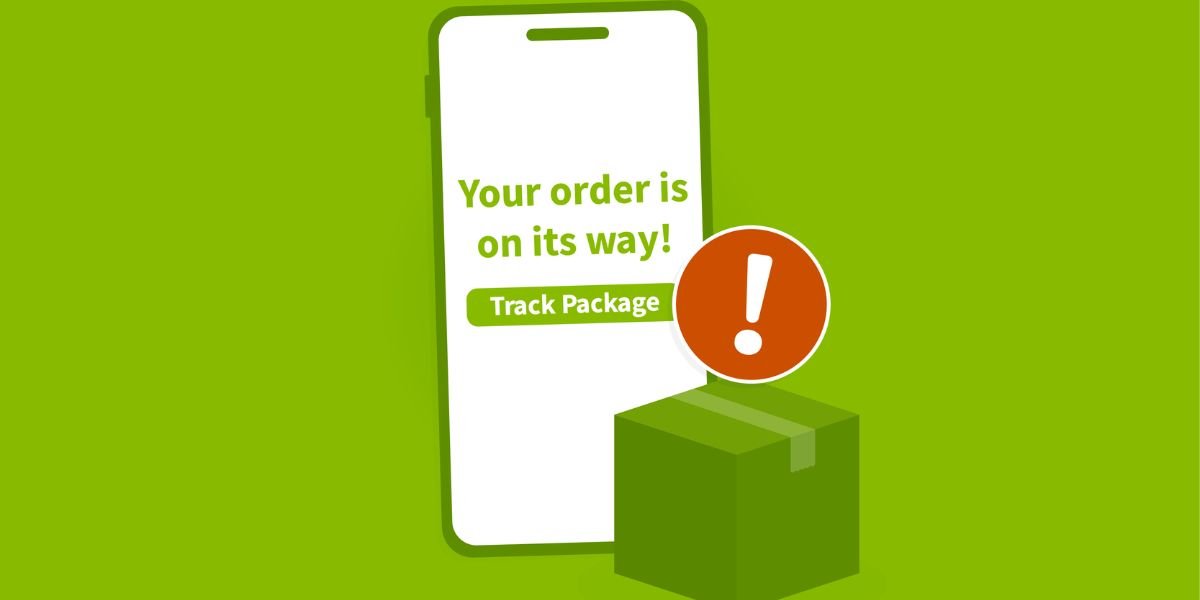
- Check sender details and spelling
- Avoid clicking unknown tracking links
- Verify delivery via official website
- Watch for urgent payment requests
- Ignore unexpected or unknown parcel alerts
What Are the Signs of a Fake Delivery Notice? Online shopping has made deliveries a daily part of life. Because people expect packages regularly, scammers use fake delivery notices to trick users.
These messages often look real and create urgency, making people act quickly without checking details. This is why delivery scams are growing fast.
Fake delivery notices are designed to look real and create urgency. One common sign is receiving a message when you did not order anything.
Scammers often use urgent language like “delivery failed” or “act now” to push quick action. Suspicious or shortened links are another major red flag.
These messages may also ask for small payments or personal details. Check the sender carefully, as fake notices often come from unknown numbers or emails. Real delivery companies always provide proper tracking details. If anything feels unusual, avoid clicking and verify directly.
What Is a Fake Delivery Notice?
A fake delivery notice is a scam message that pretends to be from a courier company. It usually claims there is an issue with your package and asks you to click a link, provide details, or make a payment. The goal is to steal your personal or financial information.
Signs of a Fake Delivery Notice
Fake delivery notices are common scams designed to trick you into clicking links or sharing personal information. Recognising the warning signs can help you avoid fraud and protect your data.
1. Unexpected Delivery Message
You receive a delivery alert without placing an order. This is one of the most common warning signs.
2. Urgent or Threatening Language
Messages like “Your package will be returned” or “Act now” create pressure to respond quickly.
3. Suspicious Links
The message includes a strange or shortened link that does not match an official website.
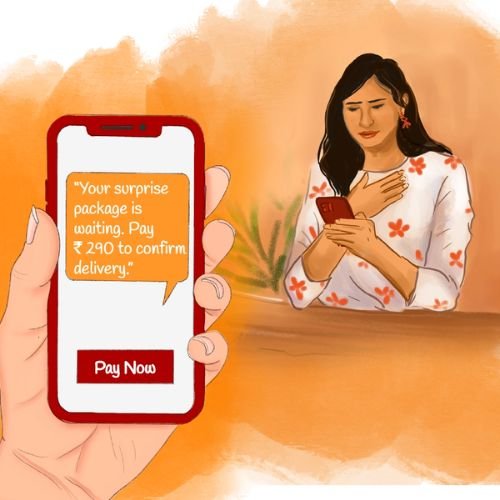
4. Request for Payment
You are asked to pay small fees for delivery or customs. This is a major red flag.
5. Unknown Sender
The message comes from a random number or email, not a verified courier service.
6. Missing Order Details
There is no tracking number, order ID, or proper information about the package.
How These Scams Work
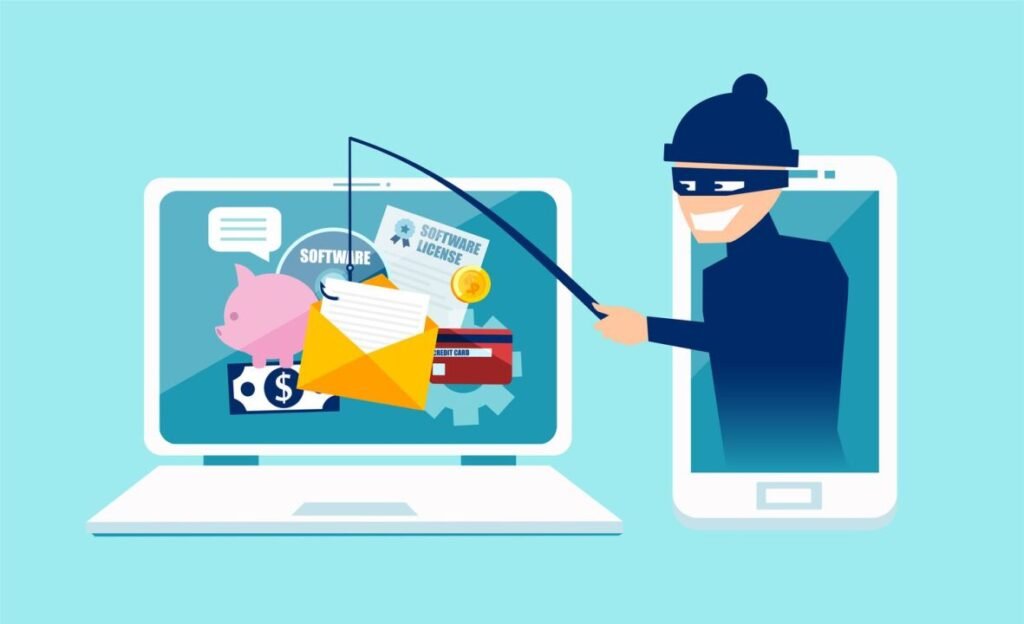
Scammers send fake delivery messages through SMS, email, or messaging apps. When you click the link, it takes you to a fake website that looks real. You may be asked to enter personal details or make a payment. Once you do, your information or money is stolen.
Real-Life Scenario Example
You get a message saying:
“Your package delivery failed. Click here to reschedule.”
You click the link and enter your details. Then you are asked to pay a small fee. After payment, the website disappears, and there is no delivery. This is a common delivery scam.
How to Stay Safe
- Do not click unknown links
- Verify delivery status on official websites
- Avoid making payments through messages
- Check sender details carefully
- Contact the courier company directly if unsure
Table: Fake vs Real Delivery Notice
| Feature | Fake Notice | Real Notice |
|---|---|---|
| Sender | Unknown or random | Official company |
| Message Tone | Urgent and threatening | Clear and professional |
| Link | Suspicious | Verified website |
| Payment Request | Unexpected | Rare and secure |
| Details | Missing or generic | Proper tracking info |
Quick Safety Checklist
Before trusting a delivery message:
- Did you order something
- Is the sender verified
- Does the link look safe
- Are you being asked for money
- Are details clear and complete
If any answer is no, avoid the message.
Must Read:
- How to Protect Yourself Against Tax Scams?
- Before You Send Tax Documents, Do This to Stay Safe
- Can a Scammer Get Your Info from a QR Code?
Final Thoughts:
Fake delivery notices are designed to create urgency and confusion. Scammers rely on quick actions and trust. By checking simple signs and staying alert, you can avoid these scams easily.
Always verify before clicking any link. A few seconds of checking can save you from losing money or personal data.