


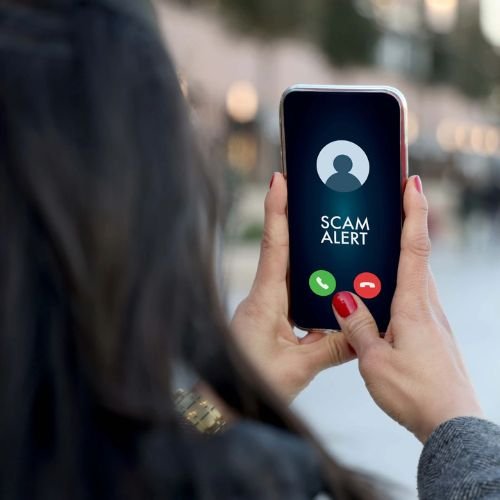
- Always verify customer care numbers
- Never share OTP, PIN, or passwords over calls
- Do not install unknown apps suggested by callers
- Avoid calling numbers from random search results
- Disconnect immediately if something suspicious
Calling Customer Support? This Scam Could Empty Your Account, Many people search online for customer care numbers when they face issues with banking, e-commerce, or digital payments. It feels like the fastest way to solve a problem. But this simple action can lead to a serious scam if the number you call is fake.
Fake customer care number scams are growing rapidly. Scammers post fake helpline numbers on search engines, social media, and forums. When you call these numbers, they pretend to be official support agents and guide you into sharing sensitive information or making payments.
This guide explains how fake customer care number scams work and how you can protect yourself. A few simple checks can prevent major financial loss.
What Is a Fake Customer Care Number Scam
A fake customer care number scam is a fraud where scammers pose as official support representatives using fake phone numbers.
These scams usually involve:
- Fake helpline numbers listed online
- Scammers pretending to resolve issues
- Requests for personal or banking details
- Instructions to make payments or share OTPs
The goal is to gain your trust and extract sensitive information.
Why This Scam Is Increasing
- There are clear reasons behind the rise.
- First, people rely heavily on quick online searches for support.
- Second, scammers can easily post fake numbers on websites and forums.
- Third, urgent problems make people act quickly without verifying.
- Fourth, scammers use professional language to sound convincing.
- These factors make fake customer care scams highly effective.
How Fake Customer Care Scams Work
The scam follows a structured process.
- Search and Discovery
You search for a customer care number online. - Fake Contact
You call a number listed on an unofficial source. - Trust Building
The scammer speaks professionally and asks about your issue. - Information Request
You are asked for account details, OTP, or passwords. - Action Step
You may be asked to install apps or transfer money. - Fraud Execution
Your account is accessed or money is stolen.
Common Types of Customer Care Scams
Common customer care scams include fake helpline numbers, search result ads, social media impersonation, refund scams, remote access requests, and phishing calls asking for OTPs, banking details, or payments.
1. Bank Support Scam
Scammers pretend to resolve banking issues.
2. E-commerce Refund Scam
They promise refunds and ask for details.
3. Payment App Scam
Fake support for wallet or payment apps.
4. Travel Booking Scam
Fake airline or hotel support numbers.
5. Technical Support Scam
Scammers claim to fix device or software issues.
Real-Life Example
A user searched for a bank customer care number and called the first result. The person on the call claimed to help resolve a transaction issue.
The caller asked the user to share an OTP to “verify” the account. Within minutes, money was transferred from the account.
The number was later found to be fake and listed on a third-party site.
Warning Signs You Should Not Ignore

Look for these red flags.
- Numbers found on random websites
- Requests for OTP or passwords
- Instructions to install unknown apps
- Pressure to act quickly
- Requests for payment to resolve issues
- Poor or inconsistent information
If any of these signs appear, disconnect immediately.
Fake Customer Care Scam Types and Protection Actions
| Scam Type | How It Works | Protection Action |
|---|---|---|
| Bank Support Scam | Fake help for account issues | Use official bank website |
| Refund Scam | Promises refund to collect details | Verify through official channels |
| Payment App Scam | Fake wallet support | Contact in-app support only |
| Travel Scam | Fake booking assistance | Use official company contacts |
| Tech Support Scam | Claims to fix device issues | Avoid remote access requests |
How Scammers Target Victims
Scammers use different strategies.
- Posting fake numbers on websites
- Using search engine optimisation to rank higher
- Sharing numbers on social media
- Sending messages with fake contact details
They target people who are actively looking for help.
Psychological Tricks Used
These scams rely on behaviour.
- Urgency: Problem needs immediate solution
- Trust: Professional tone
- Fear: Threat of account issues
- Relief: Offering quick solutions
These tactics push users to act without verifying.
Quick Safety Checklist
Use this checklist before calling any support number.
- Is the number from an official website
- Is the source trustworthy
- Are you being asked for sensitive details
- Does the caller sound pushy
- Can you verify the number elsewhere
If unsure, do not proceed.
What to Do If You Call a Fake Number
If you realise the number is fake, act quickly.
- Disconnect the call
- Do not share any information
- Block the number
- Report the number
Taking immediate action prevents further risk.
What to Do If You Already Shared Details
If you have shared sensitive information, act immediately.
- Contact your bank
- Block or freeze your account
- Change passwords
- Monitor transactions
- Report the scam
Quick response can limit damage.
How to Find Genuine Customer Support
Always use trusted sources.
- Official company websites
- Verified apps
- Official emails
- Trusted directories
Avoid relying on random search results.
Smart Habits for Long-Term Safety
Develop habits that protect you.
- Save official contact numbers
- Verify before calling
- Stay cautious with online searches
- Keep personal details private
- Stay informed about scams
These habits reduce risk significantly.
Must Read:
- Don’t Panic After a Scam: Follow These Recovery Steps
- How to Know If You’re Talking to a Scammer Before It’s Too Late
- AI Voice Scam: Fake Calls from Family Explained
Final Thoughts:
Fake customer care number scams are simple but highly effective. They rely on urgency and trust to succeed. A small mistake like calling the wrong number can lead to serious financial loss.
Always take a moment to verify before calling. That small step can protect your money and your personal information.