


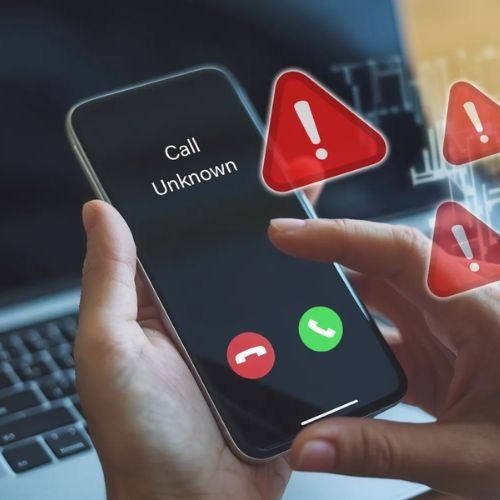
- Do not share your phone number
- Avoid answering calls from unknown numbers
- Never share OTP or verification codes
- Block and report suspicious numbers
- Use privacy settings and spam filters
How Do I Protect My Phone Number from Scams?, Your phone number seems like a small piece of information, but it is one of the most valuable assets for scammers. It connects to your bank accounts, social media profiles, and personal identity. Once a scammer gets access to your number, they can use it for spam calls, phishing attacks, or even financial fraud.
Many people share their phone numbers without thinking twice. Signing up for apps, filling out forms, or posting online can expose your number without you realising it. That is where the risk begins.
This guide explains how to protect your phone number from scams using simple and practical steps. You will learn how scammers operate, how to reduce your exposure, and how to stay safe every day.
Why Your Phone Number Is Valuable to Scammers
Your phone number is more than just a contact detail. It is often linked to important services.
Scammers can use your number to:
- Send phishing messages
- Attempt account logins
- Perform SIM swap fraud
- Target you with scam calls
- Collect personal information
Since many services use phone numbers for verification, gaining access to your number gives scammers a starting point for deeper attacks.
How Scammers Get Your Phone Number
Scammers use multiple methods to collect phone numbers.
- Data breaches from websites or apps
- Public social media profiles
- Online forms and registrations
- Random number generation
- Buying data from illegal sources
Even a simple action like entering your number on an unknown website can expose you.
Common Phone Number Scams to Watch
Common phone number scams include missed call scams, OTP fraud, customer care impersonation, lottery scams, tech support calls, and robocalls designed to steal money, personal details, or access to accounts.
1. OTP Scams
Scammers ask for a one-time password to access your accounts.
2. Robocalls and Spam Calls
Automated calls try to trick you into sharing information.
3. SIM Swap Fraud
Scammers transfer your number to their device and access accounts.
4. Phishing Messages
Texts contain links that lead to fake websites.
5. Missed Call Scams
You receive a missed call and are tempted to call back, leading to charges or scams.
Real-Life Example of Phone Number Scam
A user received a call claiming to be from a bank. The caller said there was suspicious activity and asked for an OTP to secure the account.
The user shared the OTP. Within minutes, money was transferred from their account.
The scammer used the phone number as an entry point to gain trust and execute the fraud.
This shows how a single mistake can lead to serious consequences.
Warning Signs Your Number Is Being Targeted
Look out for these signs.
- Frequent unknown calls
- Multiple spam messages
- Requests for OTP or personal details
- Calls claiming urgent action is needed
- Messages with suspicious links
If you notice these patterns, your number may already be exposed.

Phone Number Scam Types and Protection Actions
| Scam Type | How It Works | Protection Action |
|---|---|---|
| OTP Scam | Requests for verification codes | Never share OTP |
| Robocalls | Automated scam calls | Block unknown numbers |
| SIM Swap Fraud | Transfers your number to another SIM | Contact telecom provider immediately |
| Phishing Messages | Links to fake websites | Avoid clicking unknown links |
| Missed Call Scam | Calls designed to trigger callback | Do not return unknown calls |
Practical Ways to Protect Your Phone Number
Protecting your number requires simple but consistent actions.
- Share your number only on trusted platforms
- Avoid posting your number publicly
- Use privacy settings on social media
- Register for “Do Not Disturb” services if available
- Use separate numbers for online registrations
- Avoid saving numbers from unknown sources
Small changes in behaviour can significantly reduce your risk.
Best Habits for Long-Term Safety
Good habits make a big difference over time.
- Review app permissions regularly
- Remove your number from unused accounts
- Stay cautious with online forms
- Keep your phone software updated
- Stay informed about new scam tactics
Consistency is key when it comes to safety.
Quick Safety Checklist
Use this checklist regularly.
- Have you shared your number unnecessarily
- Are spam filters enabled on your phone
- Do you ignore unknown calls
- Are your accounts secured with strong passwords
- Do you monitor your messages regularly
This checklist helps you stay alert.
What To Do If Your Number Is Compromised
If you think your phone number is at risk, act quickly.
- Contact your telecom provider
- Enable additional security on your SIM
- Change passwords for important accounts
- Inform your bank if needed
- Block suspicious numbers
- Report the issue to authorities
Quick action can prevent further damage.
Tools and Settings to Reduce Spam
Modern devices offer built-in protection features.
- Enable spam call filters
- Use caller ID apps
- Block unknown numbers automatically
- Use messaging filters for spam texts
- Activate two-factor authentication
These tools add an extra layer of security.
Must Read:
- Think It’s a Free Gift? It Could Be a Brushing Scam
- Black Friday AI Scams Are Here – Don’t Fall for These Deals
- Before You Donate, Read This: Charity Scams Explained
Final Thoughts:
Protecting your phone number from scams is not complicated, but it requires awareness and consistency. Scammers rely on small mistakes and quick decisions to succeed.
Your phone number connects many parts of your digital life. Keeping it secure should be a priority. A few simple steps can protect your privacy and your finances.
Stay cautious, verify before trusting, and never share sensitive details without checking.