

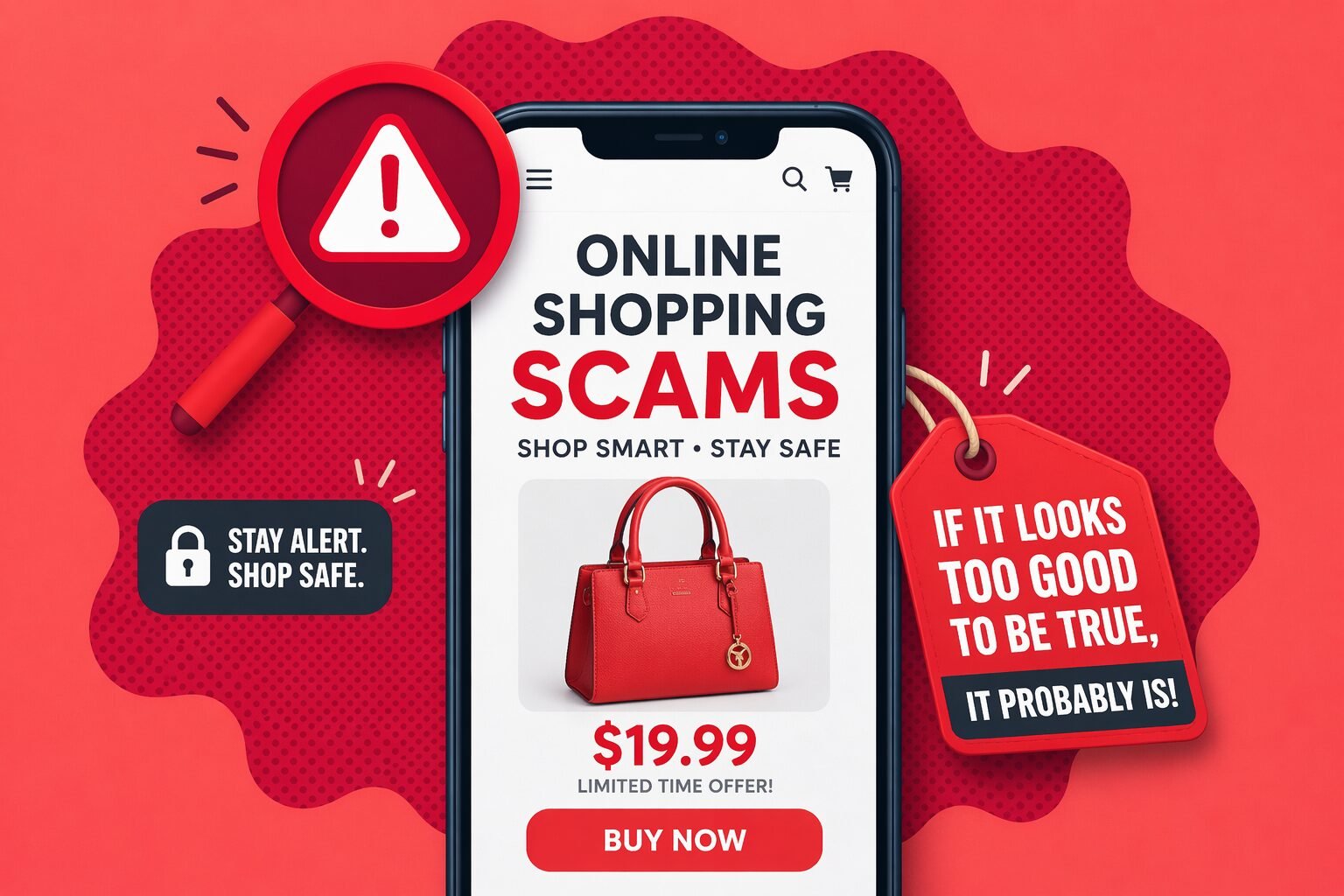

- Check website URL and domain spelling
- Look for HTTPS and security lock
- Verify contact details and address
- Read customer reviews before buying
- Avoid deals that seem too cheap
Online shopping scams are growing fast, especially in regions where digital buying is part of everyday life. People order products through mobile apps, social media ads, and e-commerce platforms without giving it a second thought.
This convenience is great, but it also creates more opportunities for scammers to target buyers.
If your blog focuses on online shopping scams, it is important to match how modern users behave. Most buyers today prefer speed, easy checkout, and attractive deals.
They often trust what they see on screen without verifying the source. This is exactly where online shopping scams become successful.
Why Online Shopping Scams Are Increasing?
Online shopping scams are rising because of a mix of technology and human behaviour.
Here are the main reasons:
- More people are shopping online daily
- Mobile usage has increased significantly
- Social media ads influence buying decisions
- Quick decisions lead to less verification
Scammers take advantage of these habits. They design fake websites, create attractive offers, and push users to act quickly.
Common Buyer Behaviour That Leads to Online Shopping Scams
How people shop online helps explain why online shopping scams work so well.
1. Fast Decision Making
Many buyers scroll through products and make instant decisions. When they see a good deal, they act quickly without checking details.
2. Attraction to Discounts
Huge discounts grab attention immediately. Offers like “80% off” or “limited sale” trigger impulse buying.
3. Trust in Website Design
A clean and professional website builds trust. Scammers copy designs from real platforms to look genuine.
4. Dependence on Reviews
Buyers rely heavily on reviews. Fake websites often display only positive feedback to mislead users.
High-Risk Categories for Online Shopping Scams
Some product categories are more likely to be used in online shopping scams because they attract more buyers.
Electronics and Gadgets
High demand items like phones, headphones, and laptops are common targets. Fake listings offer these products at very low prices.
Fashion and Apparel
Branded clothes and shoes at unrealistic discounts often lead to scams.
Seasonal Sales
During festive seasons and big sale events, online shopping scams increase due to urgency and heavy traffic.
Social Media Stores
Many unknown sellers advertise products through social media and disappear after receiving payment.
Practical Safety Tips for Buyers
To avoid online shopping scams, buyers need to follow simple but effective steps.
Verify the Website
Always check the domain name carefully. Small spelling mistakes can indicate a fake website.
Avoid Unknown Links
Do not click on random links from ads or messages. It is safer to search the website manually.
Use Secure Payment Methods
Choose payment methods that offer protection, such as credit cards or trusted payment gateways.
Check External Reviews
Search for reviews outside the website. Independent feedback gives a clearer picture.
Slow Down Your Decision
Scammers rely on urgency. Taking time to verify details reduces the risk.
Where to Report Online Shopping Scams
If someone becomes a victim of online shopping scams, reporting is an important step. It helps authorities track fraud and protect others.
You can report scams to:
Reporting also increases the chances of recovering lost money.
Key Takeaway
Online shopping scams are not limited to any one group of people. Anyone can become a target if they are not careful. The main reason these scams succeed is simple behaviour patterns like quick decisions, trust in visual design, and attraction to low prices.
The best way to stay safe is to remain alert and verify every detail before making a purchase. Small actions like checking reviews, confirming website authenticity, and choosing secure payment methods can make a big difference.
When your blog focuses on real behaviour and practical solutions, it connects better with readers and performs well in search results. This approach not only builds trust but also helps users make safer decisions while shopping online.