


Online advertising has become one of the most important parts of the global marketing industry. Businesses of all sizes use digital advertising to reach customers through search engines, social media platforms, websites, mobile apps, video platforms, and other online channels. Online advertising statistics help businesses understand where advertising budgets are going, how consumers interact with digital ads, and which advertising channels continue to grow.
The rapid growth of smartphones, social media, ecommerce, artificial intelligence, streaming video, and digital platforms has changed the way brands advertise. Instead of relying only on television, newspapers, radio, and outdoor advertising, businesses can now reach highly specific audiences online and measure campaign performance in real time.
For marketers, publishers, advertisers, agencies, and business owners, online advertising statistics provide valuable insights into advertising spending, consumer behavior, ad formats, search advertising, social media advertising, video advertising, mobile advertising, and emerging trends.
This article explores important online advertising statistics, explains how digital advertising works, and examines the major trends shaping the future of online advertising.
What Is Online Advertising?
Online advertising refers to promotional content delivered through the internet. Businesses pay digital platforms, publishers, advertising networks, search engines, social networks, and other services to show advertisements to potential customers.
Common examples of online advertising include:
- Search engine advertisements
- Social media advertisements
- Display advertising
- Video advertisements
- Native advertising
- Shopping advertisements
- Mobile advertisements
- Programmatic advertising
- Influencer advertising
- Retargeting campaigns
- Email advertising
- Sponsored content
Online advertising statistics help measure the size and performance of these different advertising channels.
Unlike traditional advertising, online advertising provides detailed performance data. Advertisers can measure impressions, clicks, conversions, sales, engagement, cost per acquisition, and return on advertising spend.
Global Online Advertising Spending
Global digital advertising spending has grown substantially as more consumers spend time online. Businesses increasingly move advertising budgets toward digital channels because online campaigns can be targeted, measured, tested, and optimized.
Search advertising, social media advertising, video advertising, and retail media are among the major areas receiving significant investment.
The growth of ecommerce has also created new opportunities for online advertising. Retailers and marketplaces can show advertisements directly to consumers who are already searching for products, making retail media an increasingly important part of the advertising ecosystem.
Online advertising statistics show that digital advertising is no longer limited to large technology companies. Small businesses, local businesses, ecommerce stores, publishers, startups, creators, and professional service providers also use online advertising to reach customers.
Why Online Advertising Is Growing

Several factors are contributing to the growth of online advertising.
More People Use the Internet
Billions of people around the world use the internet every day. Consumers search for information, watch videos, use social media, shop online, communicate with businesses, and consume digital content.
As online activity increases, businesses have more opportunities to reach potential customers through digital advertising.
Smartphone Adoption
Smartphones have become one of the primary ways people access the internet. Mobile devices allow users to browse websites, watch videos, use social media, search for products, and make purchases throughout the day.
This has increased demand for mobile advertising.
Growth of Ecommerce
Ecommerce has created a direct connection between advertising and purchasing. A consumer may see an advertisement, click it, visit an online store, and complete a purchase within minutes.
This makes online advertising particularly attractive to businesses that can track the customer journey.
Better Audience Targeting
Digital platforms can use audience information and behavioral signals to help advertisers reach relevant groups.
Advertisers can create campaigns based on factors such as location, interests, demographics, search behavior, previous website interactions, and purchasing activity, depending on the platform and applicable privacy rules.
Search Advertising Statistics
Search advertising remains one of the most important categories of online advertising.
Search ads appear when users search for specific products, services, questions, or information. Because the user has already expressed an interest through a search query, search advertising can be highly valuable for businesses.
For example, someone searching for “best running shoes” may be closer to making a purchase than someone who has simply seen a general shoe advertisement.
How Search Advertising Works
Advertisers typically select keywords or audience signals and create advertisements designed to appear for relevant searches.
Important search advertising metrics include:
- Impressions
- Clicks
- Click-through rate
- Cost per click
- Conversion rate
- Cost per conversion
- Revenue
- Return on advertising spend
These measurements are important online advertising statistics because they help advertisers understand campaign performance.
Social Media Advertising Statistics
Social media advertising is another major part of online advertising.
Platforms such as Facebook, Instagram, YouTube, TikTok, LinkedIn, Reddit, Snapchat, and other social networks provide businesses with opportunities to reach large audiences.
Social media advertising is particularly useful for brand awareness, product discovery, engagement, lead generation, and ecommerce.
Why Businesses Use Social Media Ads
Social platforms combine large audiences with content formats that can be highly engaging.
Businesses can advertise using:
- Image ads
- Video ads
- Carousel ads
- Story ads
- Short-form video ads
- Collection ads
- Lead-generation ads
- Shopping ads
- Sponsored content
The popularity of short-form video has also changed social media advertising. Brands increasingly create short videos designed to capture attention quickly.
Video Advertising Statistics
Video has become one of the most influential digital content formats. Consumers watch videos for entertainment, education, product research, news, reviews, and tutorials.
This creates significant opportunities for video advertising.
Video advertisements can appear before, during, or after online videos. They can also appear within social media feeds, websites, mobile applications, and streaming platforms.
Short-Form Video Advertising
Short-form video platforms have created a new advertising environment where brands compete for attention in fast-moving content feeds.
Effective short-form video advertising often focuses on:
- A strong opening
- Clear messaging
- Mobile-friendly design
- Simple storytelling
- Product demonstrations
- Authentic presentation
- Strong calls to action
Businesses can also test multiple versions of a video to determine which creative performs best.
Mobile Advertising Statistics
Mobile advertising has become a major component of online advertising statistics because consumers spend significant amounts of time using smartphones.
Mobile advertisements can appear across websites, applications, search results, social media feeds, video platforms, and ecommerce platforms.
Common mobile advertising formats include:
- Mobile display ads
- In-app advertising
- Mobile video ads
- Search ads
- Social media ads
- Shopping ads
- Native ads
A mobile advertising campaign needs to consider screen size, loading speed, user attention, and touch-based interactions.
Display Advertising Statistics
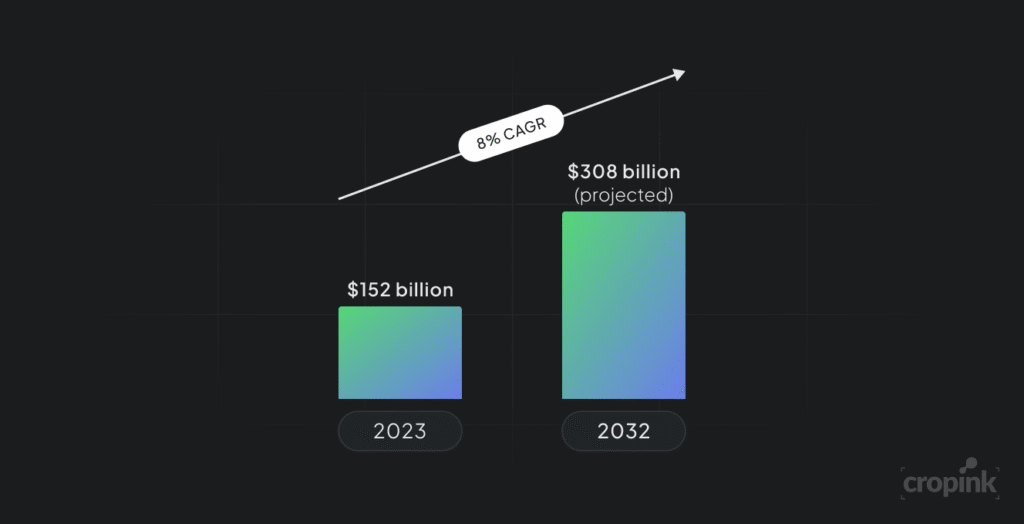
Display advertising refers to visual advertisements shown across websites and applications.
Display ads can include banners, images, animations, responsive advertisements, and interactive formats.
Display advertising is often used for brand awareness and retargeting.
For example, a consumer may visit an ecommerce website without making a purchase. Later, the consumer may see an advertisement for the same company while visiting another website.
This type of advertising is commonly associated with retargeting.
Programmatic Advertising Statistics
Programmatic advertising uses automated technology to buy and sell digital advertising inventory.
Instead of manually negotiating every advertising placement, advertisers can use automated systems to purchase impressions based on selected targeting criteria.
Programmatic advertising can help advertisers manage large campaigns across many websites and applications.
It can also use data and automated bidding systems to determine which impressions are most valuable.
As advertising technology continues to develop, programmatic advertising remains an important area within online advertising statistics.
Retail Media Advertising
Retail media is one of the fastest-growing areas of digital advertising.
Retailers and ecommerce marketplaces can sell advertising placements to brands that want to reach shoppers while they are browsing or searching for products.
Examples can include:
- Sponsored product listings
- Search advertisements
- Display placements
- Homepage advertisements
- Category advertisements
- Sponsored brand placements
Retail media is attractive because advertising can be connected closely to shopping activity.
A consumer searching for a product on an ecommerce platform may see sponsored products alongside organic results.
Native Advertising Statistics
Native advertising is designed to match the look and feel of the platform where it appears.
Examples include sponsored articles, recommended content, promoted posts, and sponsored listings.
Native advertising can be useful when brands want to provide information while maintaining a less disruptive user experience.
However, advertisements should be clearly identified as sponsored or paid content to maintain transparency and comply with applicable advertising requirements.
Influencer Advertising
Influencer marketing has become an important part of digital advertising.
Creators can promote products through videos, social media posts, reviews, tutorials, live streams, and other content.
Influencer advertising can be particularly useful for products that benefit from demonstrations or personal recommendations.
Businesses may work with:
- Nano influencers
- Micro influencers
- Mid-sized creators
- Large influencers
- Celebrity creators
The most appropriate creator depends on the campaign objective, audience, budget, and product.
Cost of Online Advertising
The cost of online advertising varies significantly depending on the platform, industry, audience, competition, location, campaign objective, and advertising format.
Some campaigns are charged based on clicks, while others may use impressions, conversions, views, or other pricing models.
Common advertising pricing models include:
Cost Per Click
Cost per click, or CPC, measures how much an advertiser pays for a click.
CPC is particularly common in search advertising and some forms of display and social media advertising.
Cost Per Thousand Impressions
CPM refers to the cost of one thousand advertising impressions.
This model is commonly used for campaigns focused on reach, visibility, and brand awareness.
Cost Per Acquisition
CPA measures the advertising cost associated with acquiring a customer or completing a desired action.
For performance-focused advertisers, CPA can be an important measurement because it connects advertising spending to business outcomes.
Online Advertising Performance Metrics
Understanding online advertising statistics requires more than looking at total spending.
Advertisers also need to measure campaign performance.
Important metrics include:
Impressions: The number of times an advertisement is displayed.
Reach: The number of unique users who see an advertisement.
Clicks: The number of times users interact with an advertisement.
CTR: The percentage of impressions that result in clicks.
CPC: The average amount paid for each click.
Conversion Rate: The percentage of users who complete a desired action.
CPA: The average cost of acquiring a customer or conversion.
ROAS: The revenue generated relative to advertising spending.
These metrics help advertisers identify which campaigns, audiences, and creative assets are performing well.
Artificial Intelligence and Online Advertising
Artificial intelligence is changing online advertising in several ways.
AI-powered systems can help advertisers analyze large datasets, automate bidding, generate creative variations, identify audience patterns, and improve campaign optimization.
Generative AI can also help create:
- Ad headlines
- Product descriptions
- Social media copy
- Image concepts
- Video scripts
- Creative variations
- Landing page content
However, AI-generated advertising still requires human oversight. Advertisers need to review claims, brand messaging, accuracy, originality, and compliance before publishing campaigns.
Privacy and Online Advertising
Privacy has become an increasingly important issue in digital advertising.
Consumers want more control over their personal information, while advertisers want to understand campaign performance and reach relevant audiences.
Changes in privacy regulations, browser technology, platform policies, and tracking systems are influencing how online advertising works.
Advertisers increasingly need to focus on first-party data, consent management, contextual advertising, privacy-friendly measurement, and transparent data practices.
Businesses should always follow the privacy and advertising laws that apply to their markets.
Online Advertising and Small Businesses

Online advertising is not only for large corporations. Small businesses can use digital advertising to reach local and niche audiences.
A local restaurant, healthcare business, ecommerce store, real estate company, consultant, or service provider can create campaigns focused on specific locations and customer groups.
Small businesses can start with controlled budgets, test different advertisements, and gradually increase spending when they identify campaigns that generate profitable results.
This flexibility is one reason digital advertising has become popular among smaller businesses.
Online Advertising and Ecommerce
Ecommerce and online advertising have become closely connected.
A typical customer journey might look like this:
- The consumer sees an advertisement.
- The consumer visits a product page.
- The consumer reads product information.
- The consumer compares alternatives.
- The consumer adds the product to a cart.
- The consumer completes the purchase.
- The business can later use remarketing or customer communication to encourage repeat purchases.
Advertising platforms increasingly provide tools designed to support this complete journey.
Future Online Advertising Trends
The future of online advertising will likely be influenced by AI, video, ecommerce, privacy, automation, and changing consumer behavior.
AI-Powered Campaign Optimization
AI will continue to automate parts of campaign management, creative testing, audience analysis, and bidding.
Growth of Video Advertising
Video is likely to remain an important advertising format as consumers spend more time watching digital content.
Retail Media Expansion
More retailers and marketplaces are expected to develop advertising businesses as brands look for ways to reach shoppers closer to the point of purchase.
Privacy-Focused Advertising
Advertisers will need to adapt to changes in tracking, consent, data collection, and privacy expectations.
First-Party Data
Businesses are likely to place greater importance on information collected directly from customers with appropriate permission.
Creator-Led Advertising
Creators and influencers will continue to play an important role in product discovery and brand promotion.
How to Use Online Advertising Statistics for Better Decisions
Online advertising statistics are most useful when they are connected to business goals.
A business should not choose an advertising channel simply because it has a large audience.
Instead, advertisers should ask:
- Does the audience match our customers?
- What is the cost of reaching this audience?
- Does the channel generate conversions?
- What is the customer acquisition cost?
- Can the campaign generate profitable revenue?
- Which creative formats perform best?
- Can results be measured accurately?
Comparing these metrics helps businesses allocate advertising budgets more effectively.
Must Read:
- Global Digital Statistics: Internet, AI and Social Media
- How Do I Verify a DocuSign Email?
- How to Start a Blog That Actually Makes Money
FAQs:
What are online advertising statistics?
Online advertising statistics are data and measurements related to digital advertising spending, impressions, clicks, conversions, audience behavior, advertising platforms, and campaign performance.
Which online advertising channel is most popular?
Search, social media, display, video, mobile, and retail media are all major digital advertising channels. The best channel depends on the target audience, industry, campaign objective, and budget.
Why is online advertising growing?
Online advertising continues to grow because more people use the internet, smartphones, social media, ecommerce platforms, and digital services. Businesses also value the ability to measure and optimize digital campaigns.
What is the most important online advertising metric?
There is no single metric that works for every campaign. CTR may be important for engagement, CPA for customer acquisition, and ROAS for revenue-focused campaigns.
How does AI affect online advertising?
AI can help advertisers automate bidding, analyze data, create advertising variations, identify patterns, and optimize campaigns. Human review remains important for accuracy, brand safety, and compliance.
Conclusion:
Online advertising statistics provide a valuable view of how businesses spend money to reach consumers across the digital world. Search advertising, social media, video, mobile, display, programmatic advertising, retail media, and influencer marketing have all become important parts of the modern advertising ecosystem.
The growth of internet usage, smartphones, ecommerce, social media, streaming video, and artificial intelligence continues to create new opportunities for advertisers. At the same time, privacy changes and evolving consumer expectations are forcing businesses to rethink how they collect data, target audiences, and measure results.
For advertisers, the most important lesson is that spending more does not automatically produce better results. Successful campaigns depend on the right audience, relevant creative content, strong landing pages, accurate measurement, and continuous optimization.
By following online advertising statistics and monitoring changes in consumer behavior, businesses can make more informed marketing decisions. Digital advertising will continue to evolve, but the core objective remains the same: reach the right audience with the right message and create measurable business value.