


Build Your Website With AI and turn your ideas into a professional online presence with less manual design and development work. Artificial intelligence is changing how websites are planned, designed, developed, written, optimized, and maintained. What once required a designer, developer, content writer, and SEO specialist can now be supported by AI-powered tools in a more streamlined workflow.
For entrepreneurs, startups, small businesses, creators, freelancers, agencies, and established companies, Build Your Website With AI can make website development faster and more accessible. AI can help create layouts, generate content, suggest website structures, write code, improve existing pages, and support search engine optimization.
However, AI alone does not guarantee a successful website. A high-quality website still needs a clear purpose, useful information, strong branding, intuitive navigation, responsive design, security, performance, and ongoing improvement. The best results come from combining AI assistance with human creativity, business knowledge, and careful review.

- Build Smarter Websites With AI
- Create Powerful Apps Without Coding
- Turn Ideas Into Working Products
- Launch Digital Projects More Quickly
What Does Build Your Website With AI Mean?
Build Your Website With AI means using artificial intelligence to assist with different stages of website creation. Instead of completing every task manually, you can provide instructions in natural language and use AI to generate a starting point.
For example, you can explain that you need a website for a digital marketing company. You might request a homepage, services section, pricing page, testimonials, FAQ, contact form, blog, and responsive design.
An AI website builder can interpret those requirements and create an initial website structure. You can then request changes, add your own content, adjust the design, and improve the website until it matches your requirements.
AI can therefore become part of the complete website development workflow rather than being used only for writing content.
Why Build Your Website With AI?
The main reason to Build Your Website With AI is to reduce the time and effort involved in website development.
Traditional website development can involve several stages. You may need to plan the site, create wireframes, design pages, write content, develop functionality, optimize SEO, test the website, and maintain it.
AI can assist with many of these activities.
Some common benefits include:
- Faster website creation
- AI-assisted design
- Content generation
- Coding assistance
- SEO support
- Faster prototyping
- Easier customization
- Automated repetitive tasks
- Improved development productivity
AI can provide a useful starting point, but the final website should always be reviewed before publication.
How AI Website Builders Work
When you Build Your Website With AI, the process usually begins with a description of what you want to create.
You may provide information about:
- Business type
- Website purpose
- Target audience
- Products or services
- Desired pages
- Features
- Brand style
- Colors
- Content requirements
- SEO goals
The AI uses this information to generate an initial website or assist with specific components.
You can then refine the result using additional instructions.
For example, you might ask:
“Add a pricing section.”
“Make the homepage more professional.”
“Create a separate page for SEO services.”
“Make the design mobile-friendly.”
“Add an FAQ section.”
This conversational approach makes it easier to iterate.
Step 1: Define Your Website Goal
Before you Build Your Website With AI, decide what the website needs to accomplish.
A website can have different objectives.
You may want to:
- Generate leads
- Sell products
- Promote services
- Publish educational content
- Build a portfolio
- Collect bookings
- Promote an app
- Launch an MVP
- Build brand awareness
Your objective should influence every part of the website.
For example, a lead-generation website needs clear contact forms and calls to action. An ecommerce website needs product pages, checkout functionality, and customer information. A blog needs strong content organization and easy navigation.
Step 2: Understand Your Target Audience
Knowing your audience helps you create a more relevant website.
Consider who will visit your website and why they are looking for your product or service.
Think about their:
- Problems
- Questions
- Expectations
- Budget
- Technical knowledge
- Buying intent
When you Build Your Website With AI, provide this information to the AI tool.
For example, instead of saying “Create a website for accounting software,” explain that the product is designed for small business owners who want simple tools for invoices, expenses, and financial reporting.
This additional context can help AI generate more relevant messaging.
Step 3: Plan Your Website Pages
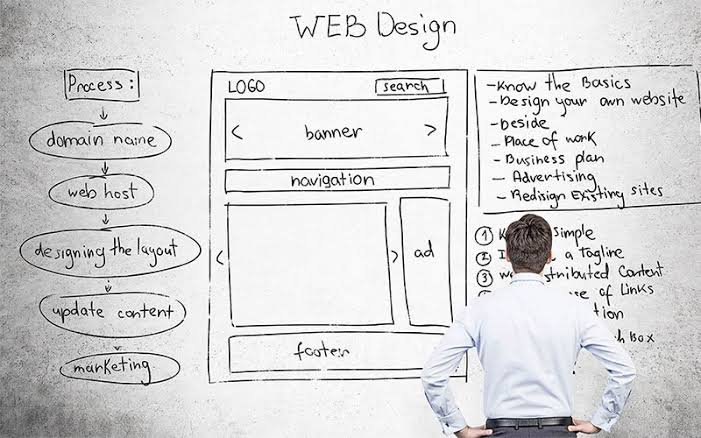
Create a basic sitemap before building the complete website.
A typical business website may include:
Home
Introduce the business and explain the main offering.
About
Explain who you are and what your business does.
Services
Describe your main services.
Pricing
Explain available plans or pricing options.
FAQ
Answer common customer questions.
Blog
Publish helpful educational content.
Contact
Give visitors an easy way to get in touch.
The pages you need will depend on your business.
Planning your structure helps you Build Your Website With AI in a more organized way.
Step 4: Give AI Detailed Instructions
The quality of AI output depends heavily on the instructions you provide.
A vague prompt may produce a generic website.
Instead of saying:
“Build a business website.”
Provide more information.
For example:
“Build a professional website for a software company offering project management tools to small businesses. Include a homepage, features page, pricing page, integrations page, customer stories, FAQ, blog, and contact page. Use a clean modern layout with simple navigation and clear calls to action. Make the website responsive and SEO-friendly.”
Detailed instructions give AI a better understanding of your requirements.
Step 5: Generate Your Website
Once your requirements are ready, use your chosen AI website builder to create the initial website.
The platform may generate the design, page structure, content sections, navigation, and other components.
The first version is only a starting point.
Review every page carefully and identify what needs improvement.
When you Build Your Website With AI, expect several rounds of refinement rather than expecting the first generated version to be perfect.
Step 6: Customize the Design
Brand identity is important.
Customize the AI-generated website to match your business.
You may need to update:
- Logo
- Brand colors
- Typography
- Images
- Icons
- Layouts
- Buttons
- Headlines
- Content
- Calls to action
A customized website feels more authentic than a generic AI-generated design.
Your design should also remain consistent across different pages.
Step 7: Add Your Own Content
AI can generate content, but your website should include information that is specific to your business.
Add:
- Company information
- Product details
- Service descriptions
- Customer experiences
- Case studies
- Original insights
- Accurate pricing
- Contact information
When you Build Your Website With AI, treat AI-generated content as a draft that requires review.
Make sure claims are accurate and that the content represents your actual business.
Build Your Website With AI for SEO
SEO should be considered from the beginning.
When you Build Your Website With AI, optimize important pages for users and search engines.
Important SEO elements include:
- Page titles
- Meta descriptions
- Headings
- URLs
- Internal links
- Image alt text
- Mobile responsiveness
- Page performance
- Useful content
- Logical website structure
SEO is more than inserting keywords into content.
Search visibility depends on relevance, content quality, website structure, technical performance, competition, authority, and many other factors.
Keyword Research
Keyword research helps identify topics your audience may search for.
Start with your main product or service and identify related questions.
For example, a website offering website development services might target topics such as:
- AI website builder
- Build website with AI
- Website development
- No-code website builder
- AI web development
- Website design
Do not force keywords into every sentence.
When you Build Your Website With AI, create content that naturally addresses user needs.
Optimize Page Titles
Each important page should have a clear and descriptive title.
For example:
AI Website Development Services
is more informative than:
Our Services
A clear title tells users what they can expect from the page.
Write Useful Meta Descriptions
Meta descriptions provide a short summary of a page.
A good description should accurately explain the page and encourage relevant visitors to click.
Avoid misleading claims or excessive keyword repetition.
AI can help generate metadata suggestions, but review them before publishing.
Use Logical Headings
Headings make pages easier to scan.
A page should have a clear main topic followed by supporting sections.
For example:
AI Website Development
- Benefits of AI Website Creation
- How AI Website Builders Work
- SEO for AI Websites
- Common Questions
When you Build Your Website With AI, use headings to organize information naturally.
Create Internal Links
Internal links connect related pages.
For example, a blog post about AI website development could link to your AI website service page.
A service page could link to related case studies and FAQs.
Internal linking helps users discover additional information and provides search engines with useful context about your website structure.
Make Your Website Mobile-Friendly
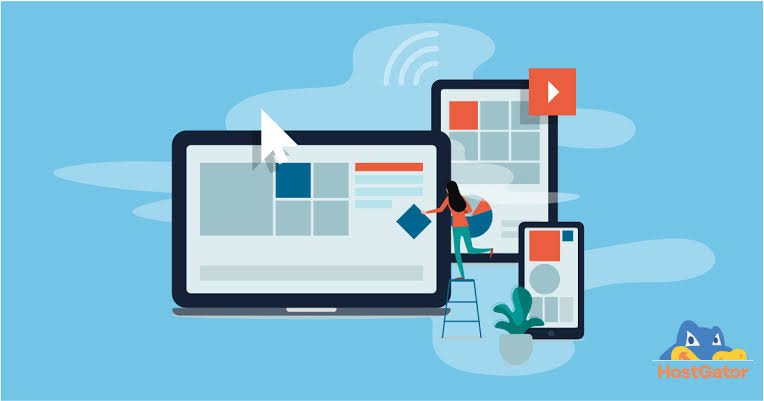
Mobile responsiveness is essential.
Your website should work correctly on:
- Smartphones
- Tablets
- Laptops
- Desktop computers
Check navigation, buttons, forms, images, tables, text, and spacing on smaller screens.
When you Build Your Website With AI, do not assume the generated design is automatically perfect on every device.
Always test the final website.
Improve Website Performance
Website speed can influence user experience.
Large images, unnecessary scripts, excessive animations, and poorly optimized resources can make pages slower.
To improve performance, consider:
- Compressing images
- Reducing unnecessary scripts
- Optimizing fonts
- Limiting animations
- Improving caching
- Using suitable hosting
- Optimizing page assets
A faster website can provide a better experience for visitors.
Build Your Website With AI Without Coding
One major advantage of modern AI website builders is that they can reduce the amount of coding required.
Users can describe their requirements in natural language and use AI to generate or modify website components.
This can be particularly useful for:
- Entrepreneurs
- Small businesses
- Startup founders
- Creators
- Freelancers
- Marketing teams
However, complex websites may still require professional developers.
AI and no-code tools can simplify many tasks, but specialized functionality may require custom development.
Build a Business Website With AI
Businesses can use AI to create professional websites without building a large technical team.
For example, a consulting company could create pages for its services, industries, case studies, testimonials, FAQs, and contact information.
A local service business could create pages for different services and locations.
When you Build Your Website With AI, provide accurate business information and customize the generated content.
Build an Ecommerce Website With AI
AI can also assist with ecommerce website development.
An online store may require:
- Product pages
- Categories
- Search
- Shopping cart
- Checkout
- Payment processing
- Customer accounts
- Order management
- Shipping information
AI can assist with product descriptions, category structures, FAQs, and marketing content.
However, ecommerce websites require careful attention to security, customer data, payments, privacy, and order processing.
Build a Landing Page With AI
Landing pages are designed around specific goals.
You might create a landing page for:
- A product launch
- Free trial
- Webinar
- Newsletter
- Marketing campaign
- Lead-generation offer
- Mobile application
When you Build Your Website With AI, you can ask AI to create different page structures and messaging variations.
You can then test different versions to understand which performs better.
Build an MVP Website With AI
Startups can use AI website builders to create MVP websites quickly.
An MVP provides an early version of a product or business concept that can be tested with real users.
AI can assist with:
- Landing pages
- Product descriptions
- Feature sections
- Sign-up forms
- FAQs
- Pricing pages
- Basic application interfaces
After receiving user feedback, the startup can improve the website.
This iterative process can reduce the effort involved in testing early ideas.
AI Website Content Strategy
Content plays a major role in attracting and educating visitors.
A good content strategy can include:
- Product pages
- Service pages
- Blog articles
- Tutorials
- FAQs
- Case studies
- Comparison pages
- Guides
AI can help generate content ideas and outlines.
However, content should provide genuine value.
When you Build Your Website With AI, avoid publishing large amounts of repetitive or generic content simply to increase page count.
AI for Website Maintenance
Website development does not end after launch.
Websites need ongoing maintenance.
AI can help identify areas that may need attention, generate content updates, explain technical issues, and suggest improvements.
You can use AI to help review:
- Old content
- Broken links
- Page structure
- SEO opportunities
- User experience
- Website copy
- Calls to action
Regular improvement can help keep a website useful as your business changes.
Security When You Build Your Website With AI
Security should always be considered.
If your website handles customer information, user accounts, payments, or other sensitive data, use appropriate security measures.
Important areas include:
- HTTPS
- Authentication
- Access controls
- Secure forms
- Software updates
- Backups
- Data protection
- Dependency management
Do not assume AI-generated code is automatically secure.
Review important functionality and consider professional security testing for sensitive applications.
Common Mistakes to Avoid
There are several mistakes you should avoid when you Build Your Website With AI.
Publishing AI Content Without Editing
AI-generated content may be generic or inaccurate.
Using Generic Branding
Customize your website so it reflects your actual business.
Ignoring Mobile Design
Always test the website on mobile devices.
Keyword Stuffing
Use keywords naturally instead of repeating them excessively.
Adding Unnecessary Features
Extra functionality can make a website harder to maintain.
Skipping Testing
Test links, forms, navigation, layouts, and important workflows.
Ignoring Website Security
Protect accounts, data, and infrastructure appropriately.
Build Your Website With AI vs Traditional Development
Traditional development gives developers extensive control over code and infrastructure.
AI-assisted website development focuses on speed and accessibility.
An AI approach can be useful for:
- Prototypes
- Landing pages
- Business websites
- MVPs
- Marketing websites
- Simple web applications
Traditional development may be more appropriate for complex systems requiring custom architecture, specialized integrations, advanced security, or complete infrastructure control.
The two approaches do not have to compete. Developers can use AI to accelerate traditional development workflows.
How to Get Better Results From AI
To Build Your Website With AI successfully, provide as much useful context as possible.
Tell the AI:
- What your business does
- Who your customers are
- What problem you solve
- What pages you need
- What features you require
- What your brand looks like
- What actions visitors should take
- What SEO topics you want to target
Break large projects into smaller tasks.
Instead of asking AI to build everything at once, create the homepage first, then develop service pages, pricing, FAQs, blog structure, and other sections.
This makes it easier to review the work and fix problems.
Who Should Build a Website With AI?
AI website development can be useful for many types of users.
Entrepreneurs
Entrepreneurs can turn business ideas into websites quickly.
Startups
Startups can create MVPs and landing pages for testing.
Small Businesses
Small businesses can establish an online presence without large development teams.
Freelancers
Freelancers can create portfolios and service websites.
Agencies
Agencies can use AI to speed up repetitive website tasks.
Developers
Developers can use AI for coding, debugging, testing, and prototyping.
Future of Building Websites With AI
The future of Build Your Website With AI is likely to become increasingly conversational.
AI tools may become better at understanding complete websites rather than individual components.
For example, a user could request a new service and the AI might help create the service page, add navigation, suggest internal links, update relevant FAQs, and generate supporting content.
AI may also assist with analytics, personalization, accessibility, SEO, testing, and website maintenance.
Human expertise will remain important because businesses still need strategic decisions, accurate information, strong branding, security, and customer understanding.
Must Read:
Final Thoughts:
Build Your Website With AI is becoming a practical approach to modern website development. AI can assist with design, content, coding, SEO, testing, customization, and repetitive development tasks.
The biggest advantage is not simply the ability to create a website quickly. AI can help users experiment with ideas, improve workflows, and make website development more accessible.
However, a successful website still requires human involvement. Start with a clear goal, understand your audience, plan your pages, provide detailed AI instructions, customize the design, review generated content, optimize SEO, test the website, and continue improving it after launch.
Whether you are creating a business website, SaaS landing page, ecommerce store, portfolio, blog, or startup MVP, AI can provide useful assistance throughout the process.
The best strategy is simple: use AI to work faster, but use human judgment to make the website better.
- Build Smarter Websites With AI
- Create Powerful Apps Without Coding
- Turn Ideas Into Working Products
- Launch Digital Projects More Quickly