


Search engine optimization remains one of the most important digital marketing strategies for websites, businesses, publishers, ecommerce stores, and content creators. Every day, people use search engines to find information, products, services, businesses, reviews, tutorials, and answers to questions. SEO statistics help explain how people search online, how websites receive organic traffic, what influences search visibility, and how search marketing continues to change.
SEO is no longer limited to adding keywords to web pages. Modern search optimization involves content quality, search intent, technical performance, mobile usability, website structure, backlinks, user experience, local search, ecommerce optimization, and increasingly, artificial intelligence.
For website owners, SEO statistics provide useful information for making decisions about content strategy, keyword research, website development, link building, and digital marketing investment. They can also help businesses understand why organic search remains valuable and how search behavior is evolving.
This article explores important SEO statistics, search trends, organic traffic, keyword behavior, mobile search, local SEO, backlinks, technical SEO, ecommerce SEO, AI search, and the future of search marketing.
What Are SEO Statistics?
SEO statistics are data points related to search engines, organic search traffic, rankings, keywords, clicks, website visibility, backlinks, search behavior, and search marketing.
These statistics can help answer questions such as:
- How do people use search engines?
- How much website traffic comes from organic search?
- How important are search rankings?
- What percentage of users click organic results?
- How does mobile search influence websites?
- How important are backlinks?
- What types of content perform well?
- How is AI changing search behavior?
SEO statistics can come from different sources and methodologies. Search engine market share, website traffic, keyword rankings, click-through rates, and conversion rates are different measurements.
For this reason, SEO data should always be interpreted within its specific context.
Why SEO Statistics Matter
SEO statistics help businesses understand the value of organic search.
Unlike paid advertising, where advertisers pay for each campaign or interaction, organic search traffic can continue to bring visitors to a well-optimized page after it ranks.
A successful SEO strategy can help businesses:
- Increase website visibility
- Attract relevant visitors
- Generate leads
- Increase product sales
- Build brand awareness
- Answer customer questions
- Establish authority
- Reduce dependence on paid advertising
SEO is particularly valuable for businesses that operate in industries where customers actively search for products and services.
Search Engines and Online Behavior
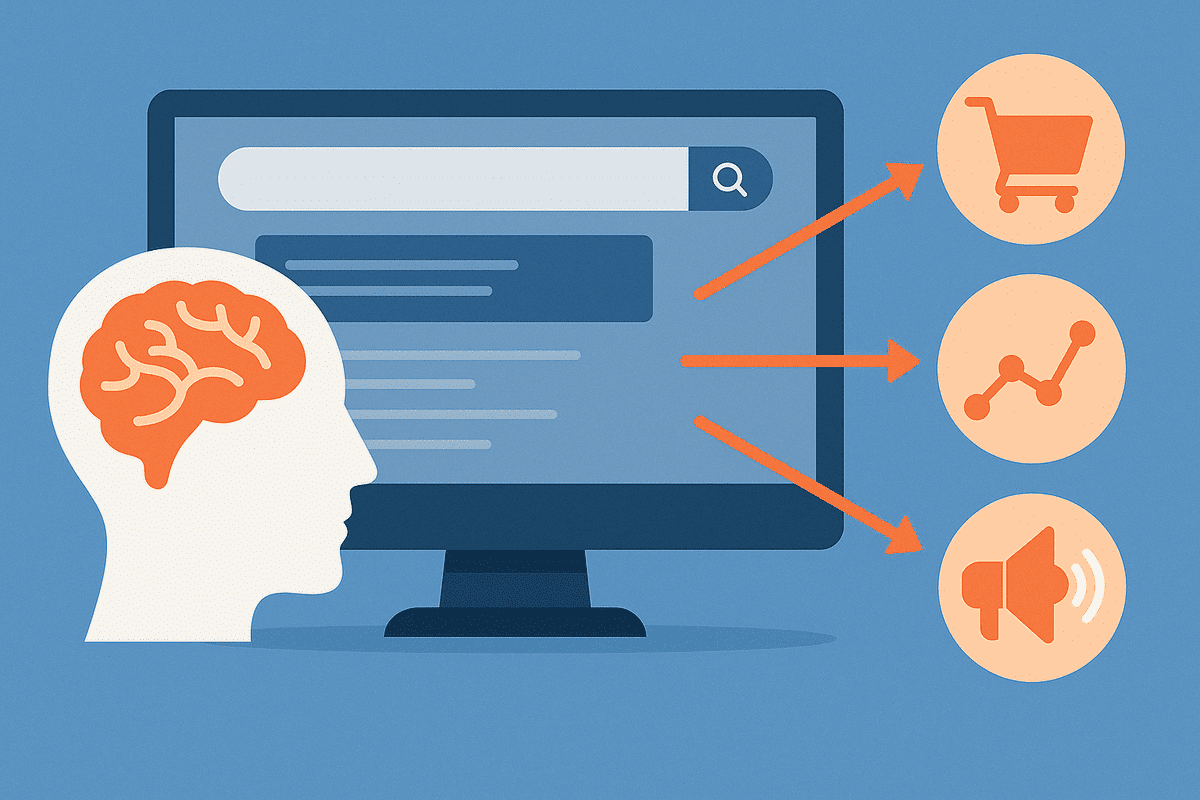
Search engines remain a major way people find information online.
Users search for many different types of information, including:
- Product information
- Local businesses
- News
- Tutorials
- Reviews
- Comparisons
- Health information
- Travel information
- Financial information
- Software
- Educational content
Search behavior can be divided into several types of intent.
Informational Search
Users want to learn something or find an answer.
Examples include:
- How does SEO work?
- What is artificial intelligence?
- How to build a website?
Commercial Search
Users are researching products or services before making a decision.
Examples include:
- Best web hosting
- Best AI website builder
- SEO tools comparison
Transactional Search
Users are ready to complete an action.
Examples include:
- Buy running shoes
- Subscribe to software
- Book a hotel
Navigational Search
Users are looking for a specific website, brand, or service.
Understanding search intent is one of the most important aspects of modern SEO.
Organic Search Traffic
Organic search traffic refers to visitors who reach a website through unpaid search engine results.
Organic traffic can be valuable because it often comes from people who are actively looking for information, products, or services.
The quality of organic traffic depends on whether the website ranks for relevant searches.
A website can receive thousands of visitors but generate limited business results if those visitors are not interested in its products or services.
This is why SEO should focus on relevant traffic rather than traffic volume alone.
Search Rankings and Click-Through Rates
Search rankings have a strong influence on visibility.
Pages that appear near the top of search results generally have greater opportunities to receive clicks than pages that appear much lower.
However, rankings alone do not guarantee traffic.
The title, description, search intent, brand recognition, rich results, and competing search features can all influence whether a user clicks a result.
Important SEO performance metrics include:
- Impressions
- Clicks
- Click-through rate
- Average position
- Organic sessions
- Conversions
- Revenue
- Leads
SEO and Keywords
Keywords remain an important part of search engine optimization.
A keyword represents a search term or phrase that users enter into a search engine.
Keyword research can help businesses identify the questions and topics their audiences are interested in.
Keywords can be:
- Short-tail keywords
- Long-tail keywords
- Branded keywords
- Commercial keywords
- Informational keywords
- Local keywords
- Product keywords
Long-Tail Keywords
Long-tail keywords usually contain more words and represent more specific searches.
For example:
“SEO” is broad.
“Best SEO tools for small business websites” is more specific.
Long-tail searches can be valuable because they often reflect a clearer user need.
SEO Content Statistics
Content remains a major part of SEO.
Search engines aim to provide users with useful results that answer their questions effectively.
High-quality SEO content should focus on the reader rather than simply repeating keywords.
Useful content often includes:
- Clear explanations
- Relevant examples
- Accurate information
- Helpful headings
- Short paragraphs
- Lists
- Tables when appropriate
- Original insights
- Supporting evidence
Content should also match search intent.
A user searching for “how to improve website speed” probably wants practical instructions rather than a general definition of website speed.
Content Freshness and SEO
Some search topics benefit from regularly updated content.
Examples include:
- Technology
- Statistics
- Software
- Pricing
- Travel
- Digital marketing
- News
- Product comparisons
Updating older content can help maintain accuracy and usefulness.
However, changing content without improving its value does not automatically guarantee better rankings.
The goal should be to make information more accurate, complete, relevant, and useful.
Mobile SEO Statistics
Mobile search is an important part of modern SEO because smartphones are widely used to access the internet.
Websites need to work effectively across mobile devices.
Important mobile SEO factors include:
- Responsive design
- Fast loading
- Easy navigation
- Readable text
- Mobile-friendly buttons
- Optimized images
- Simple forms
- Stable layouts
A website that works poorly on mobile devices can create a poor user experience and may lose potential visitors and customers.
Page Speed and SEO
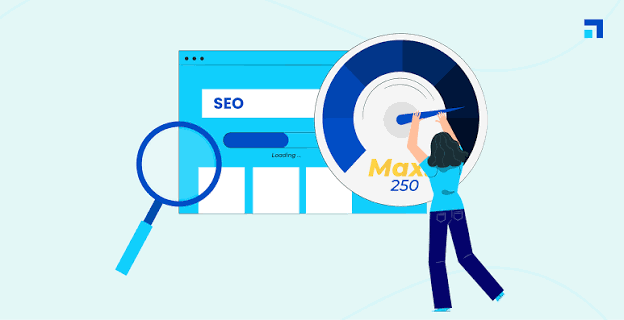
Website performance is another important part of technical SEO.
Users generally expect web pages to load quickly. Slow websites can create frustration and increase the likelihood that visitors leave.
Factors affecting website speed include:
- Large images
- Excessive scripts
- Poor hosting
- Unoptimized code
- Third-party services
- Caching
- Server response time
Website owners can improve performance by compressing images, reducing unnecessary scripts, using caching, optimizing code, and selecting appropriate hosting infrastructure.
Technical SEO Statistics
Technical SEO focuses on the technical structure and performance of a website.
Important areas include:
- Crawling
- Indexing
- Site architecture
- XML sitemaps
- Robots.txt
- Canonical URLs
- Redirects
- HTTPS
- Structured data
- Mobile usability
- Page performance
Technical SEO helps search engines understand and access website content.
A website can have excellent articles but still experience search visibility problems if important pages cannot be crawled or indexed properly.
Backlinks and SEO
Backlinks are links from other websites pointing to a page.
Search engines can use links as signals for understanding relationships between websites and pages.
High-quality backlinks from relevant and trustworthy websites can support SEO.
However, not all backlinks are equally valuable.
Businesses should focus on earning legitimate links through:
- Original research
- Useful resources
- Data studies
- Expert content
- Digital PR
- Industry publications
- Valuable tools
- Original statistics
Buying large numbers of low-quality links can create risks and is generally not a sustainable SEO strategy.
Local SEO Statistics
Local SEO helps businesses appear for searches related to a specific geographic area.
Examples include:
- Restaurants near me
- Plumbers in New York
- Digital marketing agency in Delhi
- Dentist near me
- Hotels in Mumbai
Local SEO is particularly important for businesses that serve customers in physical locations.
Important local SEO activities include:
- Accurate business information
- Business profile optimization
- Local citations
- Customer reviews
- Location pages
- Local content
- Relevant backlinks
Ecommerce SEO Statistics
Ecommerce websites depend heavily on search visibility for product discovery.
Customers often search for products before purchasing.
Ecommerce SEO can focus on:
- Product pages
- Category pages
- Product descriptions
- Reviews
- Images
- Structured data
- Internal linking
- Buying guides
- Comparison pages
A well-optimized ecommerce website can attract users at different stages of the purchasing journey.
SEO and Conversion Rates
SEO traffic is not valuable simply because it increases visitor numbers.
The ultimate goal for many businesses is to generate meaningful actions.
These can include:
- Purchases
- Lead forms
- Phone calls
- Newsletter subscriptions
- Software registrations
- Downloads
- Bookings
A page that receives 1,000 highly relevant visitors may be more valuable than a page receiving 10,000 visitors who have no interest in the product.
This is why SEO professionals increasingly focus on business outcomes rather than rankings alone.
Voice Search and SEO
Voice search allows users to interact with search systems using spoken questions.
Voice queries often resemble natural conversation.
Instead of typing:
“weather Delhi”
a user might ask:
“What is the weather like in Delhi today?”
This creates opportunities for content that answers natural-language questions clearly.
FAQ sections, concise answers, local information, and conversational content can be useful for voice-oriented search experiences.
Video SEO Statistics
Search engines also display video content in search results.
Video SEO can help businesses and creators reach users through platforms such as YouTube and other video services.
Important video SEO elements include:
- Titles
- Descriptions
- Keywords
- Chapters
- Captions
- Thumbnails
- Engagement
- Relevant content
Video can also support traditional SEO by increasing brand awareness and providing additional ways for users to discover a business.
Social Media and SEO
Social media and SEO are different marketing channels, but they can support each other.
A piece of content may receive visibility through social media and gain additional exposure from users who later search for the brand or topic.
Social platforms can also help distribute content, build relationships, and attract attention from journalists, creators, businesses, and other websites.
While social engagement is not simply a substitute for search rankings, social visibility can contribute to broader digital marketing success.
Artificial Intelligence and SEO
Artificial intelligence is changing how people search for information.
AI-powered assistants and search features can provide direct answers, summaries, recommendations, and comparisons.
This may change the traditional search journey.
Instead of visiting multiple websites, some users may first ask an AI assistant to summarize information.
For SEO professionals, this means content needs to be useful, trustworthy, well-structured, and easy for both people and search systems to understand.
AI Overviews and Search
AI-generated search features are becoming an important part of the search ecosystem.
These experiences can combine information from multiple sources to provide summarized answers.
This creates both opportunities and challenges for publishers.
A website may receive visibility through an AI-generated result, but the number of clicks to the original website can vary depending on the search query and interface.
Businesses therefore need to focus on building recognizable brands, creating original information, and publishing content that provides genuine value.
Zero-Click Searches

A zero-click search occurs when a user gets the information they need directly from the search results without clicking a traditional organic result.
Examples may include:
- Weather information
- Calculations
- Definitions
- Business information
- Maps
- Quick facts
Zero-click searches can reduce traditional organic clicks for some queries.
However, appearing in search features can still provide visibility and brand exposure.
SEO Tools and Analytics
SEO professionals use different tools to measure search performance.
Common SEO data includes:
- Keyword rankings
- Search impressions
- Organic clicks
- Click-through rates
- Backlinks
- Technical errors
- Page performance
- Organic conversions
Analytics tools can help website owners understand where visitors come from and what they do after arriving.
Search data can also reveal which topics generate impressions but receive few clicks, creating opportunities to improve titles and descriptions.
SEO and Digital Marketing
SEO is often most effective when combined with other marketing channels.
Businesses can combine SEO with:
- Paid search
- Social media
- Email marketing
- Content marketing
- Video marketing
- Affiliate marketing
- Influencer marketing
- Digital PR
A user might discover a brand through social media, search for it later, visit its website through organic search, and eventually make a purchase after receiving an email.
Understanding this customer journey helps businesses avoid evaluating every marketing channel in isolation.
Common SEO Mistakes
Businesses often make SEO mistakes that limit their performance.
Keyword Stuffing
Repeating keywords unnaturally can make content difficult to read.
Modern SEO should use keywords naturally and focus on the user's search intent.
Duplicate Content
Publishing the same or very similar content across multiple pages can create indexing and relevance issues.
Poor Mobile Experience
A website that is difficult to use on smartphones can lose visitors and conversions.
Slow Website
Poor performance can hurt user experience.
Weak Internal Linking
Important pages should be connected through logical internal links so users and search engines can find related content.
Ignoring Search Intent
A page may target the right keyword but still fail if it does not provide the type of information users expect.
Future SEO Trends
The future of SEO will continue to be influenced by AI, mobile search, user behavior, video, structured data, and changes in search interfaces.
AI-Powered Search
Search experiences will continue to incorporate AI-generated answers and conversational interactions.
Natural Language Search
Users may increasingly ask longer and more conversational questions.
Visual Search
Image-based search may become more important for shopping, products, travel, and other visual categories.
First-Hand Experience
Content that demonstrates real experience, original research, testing, or expertise can become increasingly valuable.
Brand Authority
Strong brands can benefit from users searching directly for their names and products.
User Experience
Fast, accessible, mobile-friendly websites will remain important.
How Businesses Can Use SEO Statistics
Businesses can use SEO statistics to identify opportunities and improve marketing decisions.
For example, a company can analyze:
- Which pages receive the most organic traffic
- Which keywords generate impressions
- Which pages have low click-through rates
- Which topics attract qualified visitors
- Which landing pages generate conversions
- Which countries generate traffic
- Which devices visitors use
These insights can guide future content and technical improvements.
Must Read:
- Online Shopping Statistics: Users, Sales and Key Trends
- Smartphone Statistics: Users, Market Share and Trends
- Generative AI Statistics: Adoption, Users and Key Trends
FAQs:
What are SEO statistics?
SEO statistics are data points related to search engines, organic traffic, rankings, keywords, clicks, backlinks, search behavior, and website performance.
Why are SEO statistics important?
SEO statistics help businesses understand search behavior, measure organic performance, identify opportunities, and make better content and marketing decisions.
What is organic search traffic?
Organic search traffic consists of visitors who reach a website through unpaid search engine results.
Are backlinks still important for SEO?
Relevant, high-quality backlinks can remain useful signals, but link quantity alone does not guarantee better rankings. Businesses should focus on earning legitimate links from relevant and trustworthy sources.
Is SEO still important with AI search?
Yes. AI is changing how people discover information, but search visibility, useful content, brand authority, technical quality, and trustworthy information remain important.
How long does SEO take?
SEO results vary based on competition, website authority, content quality, technical condition, industry, and search demand. Some changes can produce results relatively quickly, while competitive topics can take much longer.
Conclusion:
SEO statistics provide valuable insights into how people search for information and how websites attract visitors through organic search. Search remains an important source of traffic for businesses, publishers, ecommerce stores, local companies, and content creators.
Modern SEO goes far beyond keywords. Successful search optimization involves understanding search intent, creating useful content, improving technical performance, building website authority, optimizing for mobile devices, and measuring meaningful business outcomes.
The rise of artificial intelligence is changing the search experience, but it does not remove the need for quality information. Instead, it creates new opportunities and challenges for businesses that want to remain visible.
Websites should focus on creating content that genuinely helps users, maintaining strong technical foundations, earning relevant backlinks, improving page experience, and building recognizable brands.
By monitoring SEO statistics, businesses can understand what is working, identify areas for improvement, and adapt to changes in search behavior. As search engines, AI assistants, and digital platforms continue to evolve, reliable SEO data will remain an essential resource for building sustainable online visibility.