


Software development is changing rapidly as artificial intelligence becomes part of the development process. Build Better Software With AI is no longer just a future-focused idea. AI can now assist with planning, coding, debugging, testing, documentation, research, and software improvement. This allows developers, startups, businesses, and entrepreneurs to work on software projects with greater speed and flexibility.
When used correctly, Build Better Software With AI is not about replacing developers. It is about giving development teams intelligent assistance that can reduce repetitive work and help them focus on product quality, user needs, and important technical decisions. From a simple website to a complex business application, AI can support different stages of the software development lifecycle.

- Build Smarter Apps With AI
- Turn Ideas Into Working Products
- Develop Faster With Less Coding
- Customize Apps With Simple Prompts
What Does Build Better Software With AI Mean?
Build Better Software With AI means using artificial intelligence as part of the software development workflow to improve productivity, quality, and decision-making. Instead of relying entirely on manual coding and repetitive development tasks, developers can use AI tools to generate code, explain existing code, identify potential errors, create test cases, and suggest improvements.
AI can also help people who are not experienced programmers understand software concepts. A user can describe a desired feature in natural language and receive suggestions or generated code. Developers can then review, modify, test, and integrate that work into the project.
The important point is that AI works best as an assistant. Human developers remain responsible for architecture, security, business logic, quality control, and final decisions.
Why Build Better Software With AI?
Traditional software development can involve many repetitive activities. Developers may spend time creating similar code structures, writing documentation, searching for bugs, converting requirements into technical tasks, and preparing tests.
The goal to Build Better Software With AI comes from reducing some of this repetitive workload. AI can process large amounts of information quickly and provide suggestions based on the context supplied to it.
For example, AI can help explain why a particular function is failing, suggest a possible solution, or create a starting point for a new feature. This does not guarantee that the generated solution will be correct, but it can give developers a useful starting point.
AI Can Speed Up Software Development
One of the biggest advantages of Build Better Software With AI is development speed. AI coding assistants can generate code based on natural-language instructions, complete repetitive code patterns, and help developers work through technical problems.
Suppose a developer needs to create a registration form with validation. Instead of writing every component from scratch, the developer can ask an AI tool to generate an initial implementation. The developer can then review the result, make adjustments, and test it.
This can reduce time spent on routine implementation and allow developers to spend more time on higher-value tasks.
AI Helps Turn Ideas Into Software
Many software projects begin with a simple idea. The challenge is turning that idea into a clear technical plan.
Build Better Software With AI can start before coding begins. AI can help convert a product concept into features, user flows, database requirements, page structures, and development tasks.
For example, an entrepreneur may want to build an appointment booking application. AI can help break the idea into features such as user registration, service selection, calendar availability, appointment confirmation, notifications, payments, and an administrative dashboard.
This makes it easier to understand what needs to be built before development starts.
AI-Powered Coding Assistance
Coding is one of the areas where AI has made a significant impact. AI coding tools can generate code snippets, complete functions, explain unfamiliar code, and suggest fixes.
When you Build Better Software With AI, you can use AI assistance for both new and existing projects. A developer can provide relevant code and explain the desired outcome. AI can then suggest a possible implementation.
However, generated code should never be accepted blindly. Developers should inspect the logic, check dependencies, run tests, and confirm that the implementation follows project requirements.
AI Makes Debugging Easier
Debugging can consume a significant amount of development time. A small error can sometimes create unexpected behavior in another part of an application.
Build Better Software With AI can make debugging more efficient by helping developers understand error messages, identify suspicious code, and consider possible causes.
For example, if an application produces a database error, AI can explain what the error commonly means and suggest areas to inspect. Developers can use these suggestions to investigate the problem more quickly.
AI does not always identify the correct cause, so debugging still requires testing and technical judgment.
AI Can Help With Software Testing
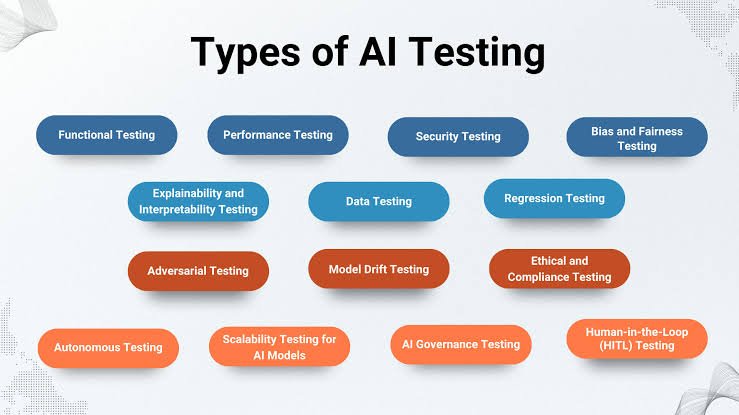
Testing is essential for building reliable software. Developers need to verify that features work correctly and that new changes do not break existing functionality.
A major benefit of Build Better Software With AI is the ability to assist with test generation. AI can suggest unit tests, edge cases, validation scenarios, and test data based on the code or requirements provided.
For example, a payment form should not only be tested with a successful payment. Developers may also need to test invalid information, missing fields, failed transactions, duplicate requests, and unexpected input.
AI can help identify these scenarios and make testing more comprehensive.
Build Better Software With AI and Improve Code Quality
Good software is not only about making an application work. Code should also be readable, maintainable, efficient, and secure.
When teams Build Better Software With AI, AI can review code and suggest improvements. It may identify duplicated logic, overly complicated functions, unused variables, inconsistent patterns, or opportunities for refactoring.
Developers should evaluate every recommendation before making changes. A shorter piece of code is not automatically better, and optimization should not sacrifice readability or reliability.
AI Can Improve Documentation
Software documentation is often neglected because developers prioritize coding and product delivery. However, clear documentation makes projects easier to maintain and understand.
Build Better Software With AI can include AI-assisted documentation for functions, APIs, configuration files, technical processes, and project structures.
AI can create an initial explanation based on the code provided. Developers can then review and update the documentation to make sure it accurately represents the current system.
Good documentation becomes especially valuable when multiple developers work on the same project.
AI for Database Development
Modern applications frequently depend on databases. Designing tables, relationships, queries, indexes, and data structures can require careful planning.
AI can help developers Build Better Software With AI by suggesting database structures based on application requirements. It can also explain SQL queries, identify potential query problems, and generate sample queries.
For example, an ecommerce application may need tables for customers, products, orders, payments, inventory, and shipping. AI can help create an initial database model that developers can review and adapt.
Database security and performance still require professional technical evaluation.
AI and User Interface Development
The user interface plays an important role in how people experience software. Even technically strong applications can struggle if users find them confusing.
Build Better Software With AI can involve AI-assisted interface planning and development. AI can suggest page structures, navigation systems, form layouts, dashboards, and responsive design approaches.
Developers and designers can use these suggestions as starting points. They should then evaluate the interface based on actual users, accessibility requirements, branding, and usability testing.
AI Can Help Create MVPs Faster
Startups often need to validate an idea before investing significant resources into a full product. An MVP, or minimum viable product, provides a basic version of the product that can be tested with users.
The ability to Build Better Software With AI can make MVP development faster by assisting with application structure, code generation, content, testing, and iteration.
A startup can describe its core product idea, identify the most important features, and use AI to help create an initial version. Feedback from early users can then guide further development.
AI Helps Developers Learn New Technologies
Software developers frequently need to learn new programming languages, frameworks, libraries, APIs, and development tools.
Build Better Software With AI can support continuous learning by explaining unfamiliar concepts in simple language. Developers can ask questions about syntax, architecture, errors, libraries, and implementation patterns.
For example, a developer familiar with one programming language can ask AI to explain how a specific concept works in another language. This can shorten the learning process and provide practical examples.
Developers should still use official documentation and trusted technical sources when working with important technologies.
AI for Software Refactoring
As software projects grow, codebases can become difficult to maintain. Old code may contain duplicated functionality, outdated patterns, or unnecessary complexity.
AI can assist teams that want to Build Better Software With AI by reviewing sections of existing code and suggesting refactoring opportunities.
Refactoring can improve readability and maintainability without changing the intended behavior of an application. However, every significant refactoring should be supported by testing because even small changes can introduce unexpected issues.
Build Better Software With AI and Automation
Automation is another major area where AI can improve development workflows. Developers can automate repetitive activities such as code generation, documentation drafts, test creation, issue analysis, and certain development processes.
The broader goal of Build Better Software With AI is to create a workflow where people spend less time on repetitive tasks and more time solving meaningful problems.
Automation should be introduced carefully. Teams need to understand what is being automated, how errors will be detected, and when human approval is required.
AI and Software Security
Security should remain a priority when using AI in software development. Build Better Software With AI does not mean automatically accepting AI-generated code.
AI can help identify potential security problems, explain common vulnerabilities, and suggest safer implementation patterns. Developers can also use AI to review authentication logic, input validation, permissions, and other areas.
However, security requires more than AI-generated recommendations. Professional security reviews, dependency management, testing, secure configuration, and appropriate access controls remain important.
Human Developers Still Matter
The growth of AI does not remove the need for skilled developers. In fact, developers become even more important when AI generates large amounts of code.
To Build Better Software With AI, people need to understand what they are building. Developers must decide whether generated code is appropriate, secure, maintainable, and compatible with the rest of the application.
AI can generate multiple possible solutions, but it does not automatically understand every business requirement or organizational constraint. Human judgment remains essential.
Best Practices to Build Better Software With AI

Using AI effectively requires a structured approach. The following practices can help teams Build Better Software With AI while maintaining quality.
Give AI Clear Requirements
AI performs better when instructions are specific. Instead of asking for “a login system,” explain the expected behavior, authentication method, user roles, validation rules, and error handling.
Clear requirements reduce ambiguity and make AI-generated output more useful.
Break Large Projects Into Smaller Tasks
Large applications should not be built as one enormous request. Break the project into manageable components such as authentication, database design, user profiles, dashboards, payments, and notifications.
This approach makes it easier to review each part and identify problems.
Review AI-Generated Code
Never assume generated code is automatically correct. Review it for functionality, security, performance, compatibility, and maintainability.
A human review process is one of the most important parts of using AI for software development.
Test Everything
Testing should happen throughout the project rather than only at the end. Unit tests, integration tests, functional testing, security testing, and user testing can reveal different types of problems.
AI can assist with test creation, but the team should remain responsible for deciding what needs to be tested.
Protect Sensitive Information
Do not share confidential credentials, private keys, passwords, sensitive customer information, or other protected data with AI tools unless the specific environment and policies are designed to handle that information appropriately.
Security practices should apply throughout the AI-assisted development workflow.
AI Website and App Builders
AI-powered website and app builders are making software creation more accessible to people who may not have extensive programming experience.
With these platforms, users can often describe what they want to build using natural language. The system can then assist with generating application components, interfaces, workflows, and other elements.
This approach supports the goal to Build Better Software With AI by reducing some of the technical barriers involved in creating digital products.
These tools can be particularly useful for prototypes, MVPs, internal tools, business websites, and early-stage applications. More complex projects may still require experienced developers for architecture, integrations, security, and long-term maintenance.
Build Better Software With AI for Businesses
Businesses can use AI-assisted software development for more than customer-facing applications. Internal software can also benefit.
Companies may create tools for project management, employee workflows, inventory tracking, reporting, customer support, scheduling, analytics, and data management.
The ability to Build Better Software With AI can help businesses experiment with custom software without always starting with a large development project.
Before building an internal application, businesses should clearly define the problem, users, data requirements, security needs, and expected outcomes.
The Future of AI-Assisted Software Development
AI is likely to become a standard part of many software development workflows. Development tools will continue to improve their ability to understand project context, generate code, test applications, analyze errors, and assist with product development.
The future of Build Better Software With AI will likely involve closer cooperation between developers and intelligent development systems.
Instead of simply generating individual code snippets, AI tools may increasingly assist across larger parts of the software lifecycle. This could include planning, architecture suggestions, implementation, testing, monitoring, documentation, and maintenance.
Even as these capabilities improve, human oversight will remain important for business decisions, security, compliance, product strategy, and quality.
Common Mistakes When Using AI for Software Development
AI can be powerful, but poor implementation can create problems. One common mistake is asking AI to build an entire complex application without providing clear requirements.
Another mistake is publishing AI-generated code without testing. Generated code may contain logical errors, inefficient approaches, outdated patterns, or security weaknesses.
Some teams also become too dependent on AI and stop understanding their own codebase. This can make future maintenance difficult.
To Build Better Software With AI, teams should treat AI output as assistance rather than unquestionable authority.
How AI Changes the Role of Developers
AI can change what developers spend their time doing. Instead of focusing primarily on repetitive coding, developers can spend more time on architecture, product requirements, user experience, testing, security, and system design.
This shift makes technical understanding even more valuable. Developers who know how to communicate requirements clearly, evaluate AI output, and test software effectively can use AI as a productivity multiplier.
The objective is not simply to write more code. The objective is to Build Better Software With AI that solves real problems and provides a reliable user experience.
Must Read:
Final Thoughts:
Build Better Software With AI represents a practical approach to modern software development. AI can assist with coding, planning, debugging, testing, documentation, interface development, database work, and many other tasks.
The biggest advantage is not simply speed. AI can help teams experiment, learn, automate repetitive work, and move from an idea to a working product more efficiently.
However, quality software still requires clear requirements, thoughtful architecture, security, testing, human review, and continuous improvement. AI should be treated as a capable development assistant rather than a replacement for technical judgment.
For developers, startups, businesses, and entrepreneurs, Build Better Software With AI can provide a powerful way to create and improve digital products. When AI assistance is combined with human expertise, careful testing, and a clear product strategy, teams can build software that is faster to develop, easier to improve, and more useful to the people who depend on it.
- Build Smarter Apps With AI
- Turn Ideas Into Working Products
- Develop Faster With Less Coding
- Customize Apps With Simple Prompts