

Social media platforms are filled with exciting giveaway posts. You might see offers like free smartphones, gift cards, cash rewards, or luxury products. These posts often come from pages that look real and trustworthy, making them hard to question.
But many of these offers are not real. Fake giveaway scams on social media are designed to trick users into sharing personal details, clicking harmful links, or sending money. What looks like an easy win can quickly turn into a financial or privacy loss.
This guide explains how fake giveaway scams on social media work, how to spot them early, and how to protect yourself before getting caught in the trap.
Quick Action Summary
- Never trust giveaways that ask for payment
- Verify the official account before participating
- Avoid clicking unknown or shortened links
- Do not share personal or banking details
- Report suspicious giveaway posts immediately
What Are Fake Giveaway Scams on Social Media
Fake giveaway scams on social media are fraudulent promotions where scammers pretend to offer prizes but instead aim to steal money or personal information.
These scams usually involve:
- Fake brand pages or cloned profiles
- Comments claiming you have “won” a prize
- Messages asking for payment or verification
- Links leading to phishing websites
The goal is simple. Scammers want to exploit excitement and curiosity. Once you engage, they guide you toward actions that benefit them.
Why Fake Giveaway Scams Are Increasing
There are clear reasons why fake giveaway scams on social media are rising.
First, social media platforms have billions of users. This gives scammers access to a massive audience.
Second, giveaways naturally attract attention. People are more likely to engage with posts offering free rewards.
Third, creating fake profiles is easy. Scammers can copy logos, names, and content from real brands.
Fourth, users often act quickly without verifying details. The idea of winning something valuable creates urgency.
All these factors make giveaway scams highly effective.
How Fake Giveaway Scams Work Step by Step
Most fake giveaway scams follow a similar process.
- Attractive Post or Comment
A post claims you can win a prize by liking, sharing, or commenting. - Fake Winner Notification
You receive a message saying you have won. - Verification Request
The scammer asks for personal details or directs you to a link. - Payment Demand
You are asked to pay a small fee for shipping or processing. - Disappearance
After payment or data submission, the scammer vanishes.
This process is designed to move quickly so you do not have time to question it.
Common Types of Fake Giveaway Scams
1. Fake Brand Giveaways
Scammers create pages that look like real brands and post fake contests.
2. Comment Reply Scams
You comment on a genuine post and receive a fake reply claiming you won.
3. Influencer Impersonation
Scammers pretend to be influencers offering giveaways.
4. Gift Card Scams
You are promised gift cards but asked to pay a small fee first.
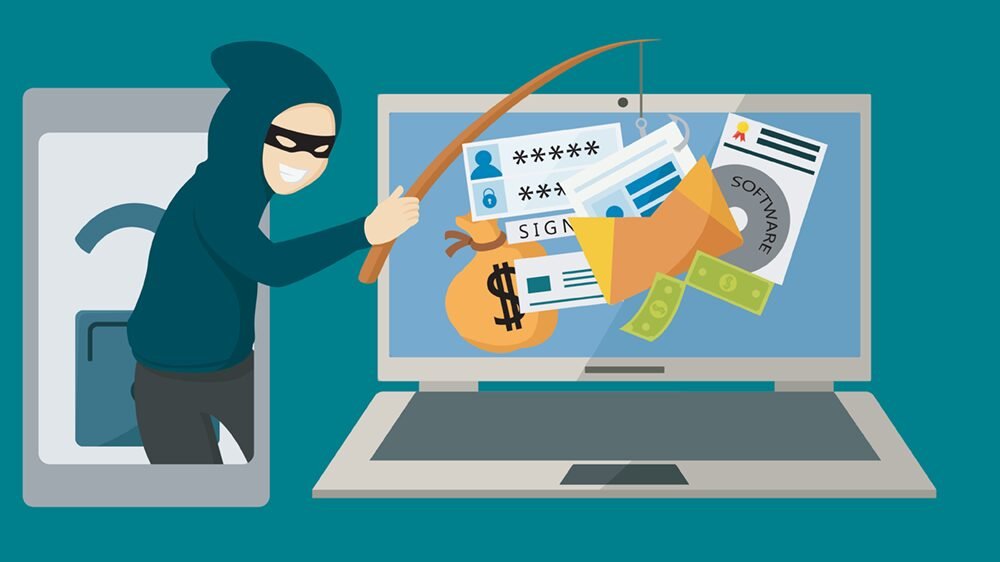
5. Phishing Giveaway Links
Links lead to fake websites that collect your personal or banking details.
Real-Life Example of a Giveaway Scam
A user participated in a giveaway claiming to offer free smartphones. After liking and sharing the post, they received a message saying they had won.
The message included a link to claim the prize. The user entered personal details and paid a small shipping fee.
After that, no product arrived, and the website disappeared. Later, the user also noticed suspicious activity on their account.
This shows how a simple action can lead to bigger problems.
Warning Signs You Should Never Ignore
Recognising red flags is key to avoiding fake giveaway scams on social media.
- Too-good-to-be-true prizes
- Accounts with very few followers or recent creation
- Requests for payment to claim prizes
- Poor grammar or unusual messages
- Links that look suspicious or shortened
- No official announcement from the brand
- Pressure to act quickly
If you notice these signs, do not engage further.
Fake Giveaway Scam Types and Protection Actions
| Scam Type | How It Works | Protection Action |
|---|---|---|
| Fake Brand Giveaway | Cloned brand pages promote fake contests | Verify official brand accounts |
| Comment Reply Scam | Fake replies claim you won | Ignore suspicious comments |
| Influencer Impersonation | Fake profiles act as influencers | Check verified badges and history |
| Gift Card Scam | Payment requested before prize delivery | Never pay to claim rewards |
| Phishing Links | Fake websites collect sensitive data | Avoid clicking unknown links |
How Scammers Target Users
Scammers use different strategies to reach victims.
- Trending posts with high engagement
- Paid ads promoting fake giveaways
- Direct messages to active users
- Comment sections of popular pages
They often target users who actively engage with posts, as these users are more likely to respond quickly.
Psychological Tricks Used in Giveaway Scams
Scammers rely heavily on human behaviour.
- Excitement: The chance to win something valuable
- Urgency: Limited-time offers
- Trust: Familiar brand names
- Social proof: Fake comments showing others “winning”
These tactics reduce caution and push users to act fast.
Quick Safety Checklist Before Participating
Use this checklist before joining any giveaway.
- Check if the account is verified
- Visit the official website for confirmation
- Avoid giveaways asking for payment
- Do not share sensitive information
- Review comments carefully
- Avoid clicking unknown links
This checklist helps you filter genuine offers from scams.
What To Do If You Get Scammed
If you fall victim to a fake giveaway scam, act quickly.
- Stop all communication with the scammer
- Change your passwords immediately
- Inform your bank if payment was made
- Report the account on the platform
- Monitor your accounts for suspicious activity
- Warn friends or contacts if needed
Quick action can reduce further damage.
How to Verify Real Giveaways
Before trusting any giveaway, verify it properly.
- Check the official brand page
- Look for announcements on their website
- Confirm details through verified accounts
- Avoid third-party links
- Check past giveaway history
Real giveaways are transparent and easy to verify.
Smart Habits to Stay Safe Online
Building safe habits helps prevent scams.
- Be cautious with online offers
- Do not rush decisions
- Keep personal data private
- Stay updated about new scam tactics
- Educate others around you
These habits make you a harder target for scammers.
Must Read:
- Do Banks Give Your Money Back If You Get Scammed?
- Facebook Marketplace Scams to Avoid
- Free Trial Scams: How to Avoid Hidden Charges and Protect Your Money
Final Thoughts:
Fake giveaway scams on social media are designed to look exciting and harmless, but they can lead to financial loss and privacy risks. The best defence is awareness and careful action.
Always question offers that seem too easy. A genuine giveaway will never ask for payment or sensitive information upfront.
Taking a few extra seconds to verify can save you from serious problems later.