

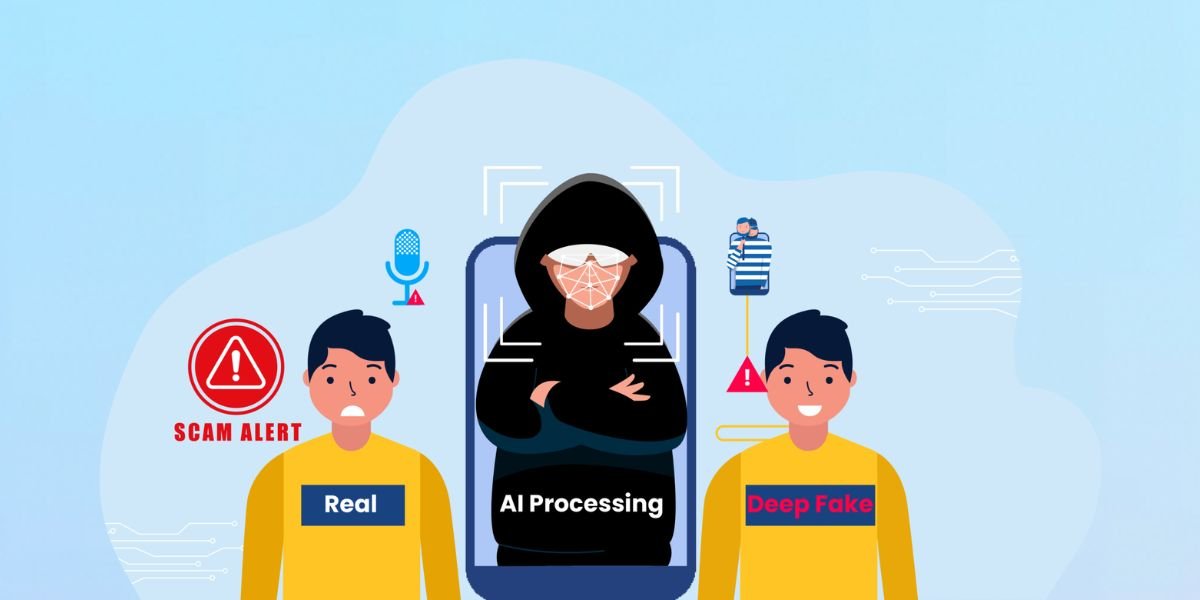
Videos have always been one of the most trusted forms of content. When people see something with their own eyes, they tend to believe it without question. But that trust is now being exploited through deepfake scams.
Deepfake technology allows scammers to create highly realistic videos of real people saying or doing things they never actually did. These videos can imitate celebrities, business leaders, or even someone you know personally.
This guide explains how deepfake scams work, how fake videos trick people, and how you can protect yourself from falling into this growing threat.
Quick Action Summary
- Do not trust videos without verification
- Avoid acting on urgent video messages
- Cross-check information from multiple sources
- Never send money based on video requests
- Report suspicious content immediately
What Are Deepfake Scams
Deepfake scams involve the use of artificial intelligence to create fake videos that appear real. These videos manipulate facial expressions, voice, and movements to mimic real individuals.
Scammers use deepfakes to:
- Impersonate trusted figures
- Promote fake investments
- Request money or sensitive data
- Spread false information
The aim is to create a believable scenario that encourages quick action.
Why Deepfake Scams Are Increasing
Several factors contribute to the rise.
- AI tools are becoming more advanced
- Creating realistic videos is easier than before
- Social media provides access to images and videos
- People trust visual content more than text
These factors make deepfake scams highly effective.
How Deepfake Scams Work
Deepfake scams follow a structured process.
- Data Collection
Scammers gather images and videos of a target person. - AI Processing
Deepfake software creates realistic video content. - Scenario Creation
A believable story or request is built. - Distribution
The video is shared through social media or messages. - Action Trigger
Victims are asked to send money or share details.
Common Types of Deepfake Scams
1. Celebrity Investment Scams
Fake videos of celebrities promoting investment schemes.
2. CEO Fraud Videos
Deepfake videos of business leaders requesting transfers.
3. Family or Friend Impersonation
Videos that appear to show someone you know asking for help.
4. Fake News or Announcements
Videos spreading false information to create panic.
5. Job or Opportunity Scams
Fake interviews or offers using deepfake technology.
Real-Life Example
A user saw a video of a well-known public figure promoting a new investment opportunity. The video looked genuine, with realistic voice and expressions.
Believing the video, the user invested money through a provided link. Later, it was revealed that the video was a deepfake and the platform was fraudulent.
This shows how convincing these scams can be.
Warning Signs You Should Not Ignore
Look for these signs.
- Slight mismatches in lip movement
- Unnatural facial expressions
- Poor video quality in certain areas
- Unusual requests for money
- Lack of verification from official sources
Even small inconsistencies can reveal a fake.
Table: Deepfake Scam Types and Protection Actions
| Scam Type | How It Works | Protection Action |
|---|---|---|
| Celebrity Scam | Fake endorsement videos | Verify through official accounts |
| CEO Fraud | Fake leadership messages | Confirm through official channels |
| Personal Impersonation | Familiar faces requesting help | Contact person directly |
| Fake News | Misleading video content | Cross-check with reliable sources |
| Job Scam | Fake interviews or offers | Verify company authenticity |
How Scammers Create Deepfake Videos
Scammers use advanced tools and data sources.
- Public videos and photos
- Social media content
- AI-based video editing tools
- Voice cloning technology
Even limited data can be enough to create convincing content.
Psychological Tricks Used
Deepfake scams rely on behaviour.
- Trust: Recognisable faces
- Authority: Influential figures
- Urgency: Quick action requests
- Fear or excitement: Emotional triggers
These tactics make people act without verification.
Quick Safety Checklist
Use this checklist when you see suspicious videos.
- Is the source verified
- Does the message feel urgent
- Can you confirm the content elsewhere
- Is money being requested
- Are there visual inconsistencies
If unsure, do not act.
What to Do If You See a Suspicious Video
If you encounter a suspicious video:
- Do not share it
- Do not act on it
- Verify through trusted sources
- Report the content
Avoid spreading misinformation.
What to Do If You Fall for a Deepfake Scam
If you are affected, act quickly.
- Contact your bank
- Report the transaction
- Save evidence
- Report the scam
- Monitor your accounts
Quick action can reduce damage.
How to Verify Real Videos
Always verify before trusting.
- Check official accounts
- Look for multiple sources
- Search for news coverage
- Avoid relying on a single video
Verification prevents mistakes.
Smart Habits for Long-Term Safety
Build habits that protect you.
- Be cautious with online content
- Avoid quick decisions
- Stay informed about scams
- Limit sharing personal media
- Educate others
These habits reduce risk.
Must Read:
- Fake Giveaway Scams on Social Media
- Do Banks Give Your Money Back If You Get Scammed?
- Facebook Marketplace Scams to Avoid
Final Thoughts:
Deepfake scams are changing the way fraud works. They exploit trust in visual content and make scams more convincing than ever.
Stay cautious and verify before acting. What you see is not always real.