


The digital world has changed how people communicate, work, shop, learn, create content, and use technology. Global Digital Statistics provide a useful way to understand these changes through data about internet users, artificial intelligence, social media, smartphones, websites, online shopping, and digital behavior. From the growth of internet access to the rapid adoption of AI tools, digital technology has become an important part of everyday life.
Understanding Global Digital Statistics can help businesses, marketers, website owners, researchers, students, and content creators make better decisions. These statistics show where digital audiences are growing, which platforms people use most, how internet habits are changing, and how emerging technologies are influencing online activity.
This guide looks at important Global Digital Statistics covering internet usage, AI adoption, social media, mobile devices, ecommerce, digital advertising, and other major areas of the digital economy.
What Are Global Digital Statistics?
Global Digital Statistics are data points that describe how people around the world use digital technologies and online services. These statistics can include the number of internet users, social media users, smartphone users, websites, online shoppers, AI users, and digital service customers.
Digital statistics are useful because the internet is constantly changing. New platforms appear, existing platforms grow or lose users, and technologies such as artificial intelligence can quickly change how people interact with digital services.
Some common areas covered by Global Digital Statistics include:
- Internet users worldwide
- Internet penetration rates
- Mobile internet usage
- Smartphone adoption
- Social media users
- Social media engagement
- Artificial intelligence adoption
- Generative AI usage
- Ecommerce activity
- Online advertising
- Search engine usage
- Website and app usage
- Digital video consumption
- Online gaming
- Digital payments
Looking at these numbers together gives a clearer picture of the modern digital economy.
Global Internet Statistics
Internet usage is one of the most important parts of Global Digital Statistics. Billions of people use the internet to communicate, search for information, watch videos, shop online, access financial services, work remotely, and use digital entertainment.
Internet adoption has expanded significantly over the past two decades. Faster mobile networks, affordable smartphones, improved infrastructure, public Wi-Fi, and lower data costs have helped more people connect to the internet.
Internet users are not distributed equally across the world. Some countries have very high internet penetration, while other regions still have large populations without reliable internet access.
Internet Penetration
Internet penetration refers to the percentage of a population that uses the internet. It is an important measurement within Global Digital Statistics because it shows how widely internet access has reached a particular country or region.
Highly developed digital markets generally have high internet penetration. Emerging markets are also experiencing strong growth as smartphones and mobile networks become more accessible.
Mobile Internet Usage
Mobile phones have become one of the primary ways people access the internet. Many users rely on smartphones instead of desktop computers for browsing websites, watching videos, using social networks, shopping, and communicating.
This makes mobile optimization extremely important for businesses and website owners.
A website that works well on smartphones can provide a better experience for visitors. Mobile-friendly design, fast loading speeds, easy navigation, readable text, and simple forms are now important parts of digital marketing and website development.
Artificial Intelligence Statistics
Artificial intelligence is one of the fastest-growing areas covered by Global Digital Statistics. AI has moved from being a specialized technology used mainly by researchers and large companies to a tool used by consumers, students, marketers, developers, designers, and businesses.
Generative AI tools can create text, images, audio, video, code, presentations, and other types of content. AI assistants are also being used for research, customer service, productivity, education, software development, and business operations.
Generative AI Adoption
The growth of generative AI has created a major change in digital behavior. People increasingly use AI tools to complete tasks that previously required traditional software or manual work.
Popular applications include:
- Writing and editing
- Content creation
- Image generation
- Coding
- Data analysis
- Translation
- Research
- Customer support
- Marketing
- Education
- Business automation
These trends are important within Global Digital Statistics because AI adoption can influence how people search for information, create content, interact with websites, and use software.
AI in Business

Businesses are also adopting AI for practical purposes. Companies use artificial intelligence to analyze data, automate repetitive tasks, personalize customer experiences, generate marketing materials, assist employees, and improve customer support.
Small businesses can also use AI tools for tasks such as writing product descriptions, creating social media posts, analyzing keywords, preparing email campaigns, and developing website content.
As AI becomes easier to access, its impact on digital business is likely to continue growing.
Global Social Media Statistics
Social media is another major component of Global Digital Statistics. Platforms such as Facebook, YouTube, Instagram, TikTok, LinkedIn, Reddit, Snapchat, and X connect billions of users around the world.
People use social media for communication, entertainment, news, education, shopping, professional networking, and content creation.
Social media has also become an important marketing channel. Businesses can use social platforms to build audiences, promote products, generate leads, provide customer support, and increase brand awareness.
Social Media Usage
Social media behavior varies significantly by country, age group, and platform. Younger users often spend significant amounts of time consuming short-form videos, while professional audiences may use platforms such as LinkedIn for business networking and career opportunities.
Video has become particularly important.
Short-form video content has changed how people consume information online. Users can watch hundreds of short videos during a single session, creating new opportunities for creators and brands.
Social Media Engagement
Engagement can include likes, comments, shares, saves, clicks, views, and direct messages.
However, the number of followers alone does not always indicate the success of a social media account. A smaller audience with strong engagement can sometimes provide more value than a large audience with limited interaction.
Businesses therefore increasingly monitor engagement rates, conversion rates, website traffic, and customer actions alongside follower counts.
Global Smartphone Statistics
Smartphones play a central role in Global Digital Statistics because they connect users to many digital services through a single device.
A modern smartphone can function as a camera, payment device, navigation system, communication tool, entertainment platform, shopping device, and productivity tool.
Smartphone users can access:
- Search engines
- Social media
- Ecommerce stores
- Banking apps
- Streaming services
- AI assistants
- Messaging platforms
- Online learning
- Business applications
- Digital payment services
The increasing use of smartphones has also changed website design and digital advertising.
Mobile-First Digital Behavior
Mobile-first behavior means designing digital experiences primarily around smartphone users. This is particularly important for websites that receive most of their traffic from mobile devices.
Website owners should consider:
- Responsive design
- Fast page loading
- Simple navigation
- Large touch-friendly buttons
- Easy-to-read content
- Mobile-friendly forms
- Optimized images
- Clear calls to action
These factors can influence user experience, engagement, and conversions.
Ecommerce Statistics
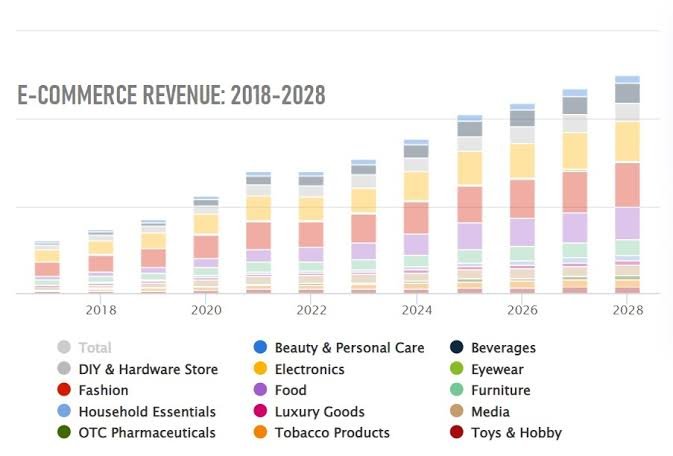
Online shopping is another major area of Global Digital Statistics. Consumers around the world increasingly purchase products and services through websites and mobile applications.
Ecommerce has changed traditional shopping by allowing consumers to compare products, read reviews, check prices, and place orders from almost anywhere.
Major ecommerce categories include:
- Fashion
- Electronics
- Beauty products
- Health products
- Home products
- Travel
- Food and groceries
- Digital products
- Software
- Entertainment
Mobile Ecommerce
Smartphones have contributed significantly to ecommerce growth. Consumers can discover a product on social media, visit an online store, compare prices, and complete a purchase without using a desktop computer.
Social commerce is also becoming more important as ecommerce and social media increasingly overlap.
A customer may see a product in a video, click a product link, visit an online store, and complete the purchase within minutes.
Global Search Statistics
Search engines remain a major source of website traffic. People use search engines to find information, products, services, businesses, news, tutorials, reviews, and answers.
Search behavior is changing because users now have more ways to find information.
Traditional search engines remain important, but AI-powered search and conversational assistants are creating new ways to discover information.
For website owners, this means that useful, accurate, well-structured content remains important.
SEO and Digital Statistics
Search engine optimization helps websites improve their visibility for relevant searches.
Important SEO factors include:
- Search intent
- Useful content
- Keyword relevance
- Website structure
- Page speed
- Mobile usability
- Internal linking
- Backlinks
- Content quality
- User experience
Global Digital Statistics can help SEO professionals understand which markets and digital behaviors are growing.
Digital Advertising Statistics
Digital advertising has become a major part of the global advertising industry. Businesses use search ads, social media advertising, display advertising, video advertising, influencer marketing, and other online channels to reach customers.
Digital advertising provides advertisers with detailed measurement options.
Businesses can track metrics such as:
- Impressions
- Clicks
- Click-through rate
- Cost per click
- Conversions
- Cost per acquisition
- Return on ad spend
- Revenue
- Customer lifetime value
These measurements help businesses understand whether their campaigns are producing meaningful results.
Social Media Advertising
Social media advertising allows businesses to reach specific audience groups based on factors such as interests, demographics, behaviors, and interactions.
Video advertising has become particularly important as platforms increasingly prioritize visual content.
Brands can combine organic social content with paid advertising to reach new audiences and retarget people who have previously interacted with their websites or products.
Global Video Consumption
Online video is another important part of Global Digital Statistics.
People watch videos for entertainment, education, product research, news, fitness, tutorials, reviews, and professional development.
Platforms such as YouTube and TikTok have helped make video one of the most influential digital content formats.
Businesses are also using video for:
- Product demonstrations
- Tutorials
- Customer testimonials
- Brand storytelling
- Educational content
- Product reviews
- Short-form marketing
- Live streaming
For content creators, video provides opportunities to build audiences across multiple platforms.
Digital Payments and Online Transactions
Digital payments have become increasingly common in many parts of the world. Consumers can pay for products and services through mobile wallets, bank transfers, cards, QR codes, and other digital payment systems.
The growth of digital payments supports ecommerce and other online services.
Consumers can purchase products, subscribe to software, book travel, pay bills, and transfer money without using physical cash.
Digital payments also help businesses create smoother online purchasing experiences.
Global Website Statistics
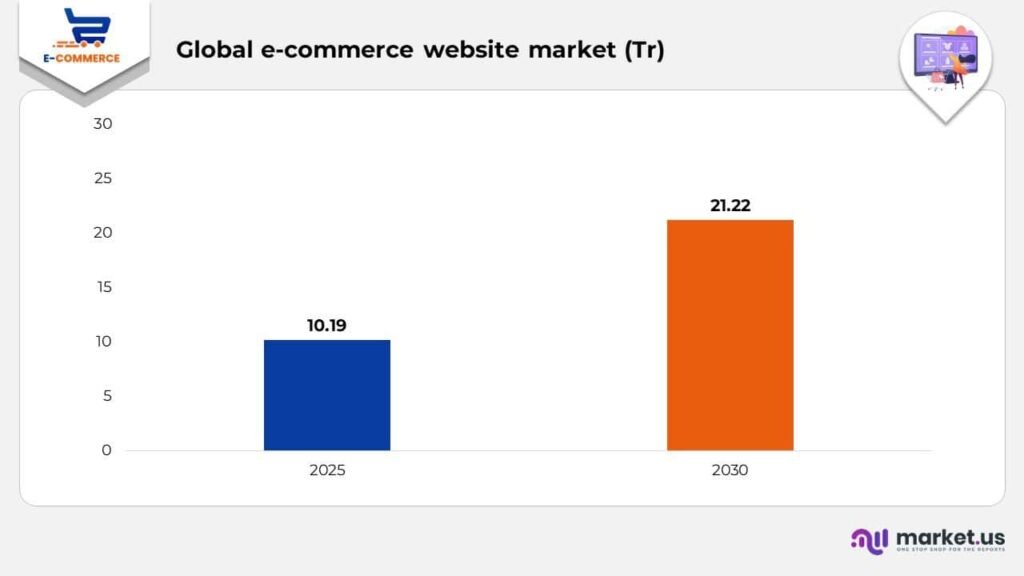
Websites remain an important foundation of the digital economy. Businesses use websites to provide information, sell products, generate leads, publish content, offer services, and build credibility.
The number of websites continues to change as new businesses, creators, organizations, and personal projects enter the online ecosystem.
However, simply having a website is no longer enough.
Successful websites generally focus on:
- Useful content
- Strong branding
- Fast performance
- Mobile usability
- Security
- Search visibility
- Clear navigation
- Conversion optimization
AI website builders and no-code platforms are also making website creation more accessible to people without advanced programming skills.
Digital Content Statistics
Digital content includes articles, videos, podcasts, social media posts, images, newsletters, ebooks, online courses, and other forms of online information.
The amount of content published every day is enormous. This makes content quality increasingly important.
Businesses and creators need to produce content that answers specific questions and provides real value.
Search engines and social platforms also use different systems to determine which content receives visibility.
This means creators need to understand both their audience and the platforms where they publish.
Why Global Digital Statistics Matter
Global Digital Statistics are valuable because they turn large digital trends into measurable information.
For businesses, statistics can help answer questions such as:
- Where are online audiences growing?
- Which platforms are most popular?
- How many people use smartphones?
- How quickly is AI adoption increasing?
- Which markets have strong ecommerce potential?
- How do consumers discover products?
- Which digital channels deserve more investment?
For marketers, statistics can help with audience research and campaign planning.
For website owners, statistics can reveal opportunities for new content and new markets.
For researchers and students, digital statistics provide evidence for understanding technology and society.
How Businesses Can Use Global Digital Statistics
Businesses can use Global Digital Statistics in several practical ways.
Identify New Markets
A company can compare internet penetration, ecommerce adoption, smartphone usage, and digital payment activity across countries to identify potential markets.
Improve Marketing Strategy
Social media and digital advertising statistics can help businesses decide where to allocate marketing budgets.
Create Better Content
Search and social media data can reveal what audiences are interested in. Businesses can use these insights to create articles, videos, guides, and other useful content.
Understand Customer Behavior
Digital statistics can help businesses understand how customers use devices, discover products, and interact with online services.
Plan Technology Investments
AI adoption statistics can help companies decide where artificial intelligence may improve productivity or customer service.
The Future of Global Digital Statistics
The digital environment will continue to change as AI, mobile technology, cloud computing, automation, digital payments, and online services develop.
Artificial intelligence is likely to remain one of the most important forces shaping digital behavior. AI-powered search, personal assistants, content creation, business automation, and software development could significantly influence how people use the internet.
Social media will also continue to evolve. New content formats, recommendation systems, creator tools, social commerce features, and AI-generated content may change how users interact with platforms.
Mobile devices will remain important because they provide convenient access to online services from almost anywhere.
Ecommerce is also expected to continue evolving as businesses combine websites, mobile applications, social media, digital payments, and personalized experiences.
These changes make Global Digital Statistics valuable for anyone who wants to understand the direction of the online world.
Must Read:
- How Do I Verify a DocuSign Email?
- How to Start a Blog That Actually Makes Money
- What is Keyword Stuffing? A Must-Know SEO Mistake
FAQs:
What are Global Digital Statistics?
Global Digital Statistics are measurements that describe worldwide digital activity. They can include internet users, social media users, smartphone adoption, AI usage, ecommerce activity, online advertising, websites, and digital content consumption.
Why are Global Digital Statistics important?
Global Digital Statistics help businesses, marketers, researchers, and website owners understand how people use digital technology. They can support market research, marketing strategies, content planning, and business decisions.
What are the most important digital statistics?
Some of the most useful digital statistics include internet users, internet penetration, smartphone users, social media users, AI adoption, ecommerce activity, digital advertising spending, search behavior, and online video consumption.
How does AI affect digital behavior?
AI can change how people search for information, create content, communicate, work, study, shop, and use software. Generative AI has made advanced AI capabilities accessible to a much wider audience.
Why are social media statistics useful?
Social media statistics help businesses understand platform popularity, audience size, engagement, content trends, and potential marketing opportunities.
Why are mobile statistics important?
Mobile statistics show how people access digital services. Since many internet users rely heavily on smartphones, businesses need to provide fast and mobile-friendly digital experiences.
Conclusion:
Global Digital Statistics provide a valuable snapshot of how technology is changing the world. Internet access, artificial intelligence, social media, smartphones, ecommerce, search, online advertising, video, and digital payments are all shaping modern digital behavior.
The most important trend is that digital technology is becoming more integrated into everyday activities. People use connected devices and online services for communication, work, education, entertainment, shopping, financial transactions, and business.
For businesses and marketers, understanding Global Digital Statistics can support better decisions about audiences, platforms, content, advertising, and technology. For website owners and content creators, these statistics can also reveal new topics, markets, and opportunities.
The digital world will continue to evolve. As AI adoption increases, mobile connectivity expands, social platforms change, and ecommerce develops, regularly updated Global Digital Statistics will remain an important resource for understanding the online economy and the people who use it.