


Smartphones have become one of the most important technologies in modern life. People use smartphones to communicate, search for information, watch videos, shop online, make payments, use social media, work remotely, study, play games, and access countless digital services. Because of this, smartphone statistics provide valuable information about how people interact with technology and the internet.
The global smartphone market includes billions of users and hundreds of millions of device shipments every year. While smartphone growth has slowed in some mature markets, smartphones continue to play a major role in digital adoption, especially as mobile internet access expands across developing economies.
Smartphone statistics also provide useful insights for businesses, marketers, app developers, ecommerce companies, website owners, and technology researchers. Understanding smartphone users, operating systems, market share, mobile usage, purchasing behavior, and emerging trends can help businesses create better digital experiences.
This guide covers important smartphone statistics, including global smartphone users, market share, operating systems, mobile internet usage, smartphone ownership, consumer behavior, app usage, mobile commerce, and future trends.
What Are Smartphone Statistics?
Smartphone statistics are data points that describe smartphone ownership, usage, sales, shipments, operating systems, brands, applications, consumer behavior, and market trends.
These statistics can answer questions such as:
- How many people use smartphones?
- Which smartphone brands have the largest market share?
- Which mobile operating system is most popular?
- How much time do people spend on smartphones?
- How do consumers use smartphones?
- How important are smartphones for online shopping?
- Which regions have the fastest smartphone adoption?
- What features influence smartphone purchases?
Smartphone statistics can vary depending on the research method and definition being used. For example, smartphone ownership, active smartphone users, smartphone shipments, and smartphone subscriptions are different measurements.
For this reason, statistics should always be interpreted according to the source and measurement method.
Global Smartphone Users
The number of smartphone users has increased significantly over the past decade. Smartphones have become more affordable, mobile networks have expanded, and consumers increasingly depend on mobile applications and internet services.
In many countries, a smartphone is the primary device people use to access the internet.
This is particularly important in markets where desktop computer ownership is lower. Consumers can use a smartphone to access banking, education, entertainment, shopping, social media, and government services without owning a traditional computer.
The growth of mobile connectivity makes smartphone statistics an important part of understanding global digital behavior.
Smartphone Ownership Around the World
Smartphone ownership differs significantly between countries.
Developed markets generally have high smartphone penetration, while emerging markets continue to experience adoption as device prices decline and mobile networks improve.
Several factors influence smartphone ownership:
- Household income
- Device prices
- Mobile network availability
- Internet access
- Urbanization
- Consumer preferences
- Local smartphone brands
- Mobile payment adoption
- Availability of affordable data plans
As smartphone prices become more competitive, consumers in emerging economies have more opportunities to access mobile internet services.
Smartphone Market Share
Smartphone market share is another important area of smartphone statistics.
The global market includes several major manufacturers, including Apple, Samsung, Xiaomi, OPPO, vivo, Transsion, and other regional and international brands.
Market share can be measured using different methods. Some research measures smartphone shipments, while other datasets analyze active devices, sales, or installed bases.
This distinction is important because shipment share does not necessarily represent the total number of smartphones currently being used.
Apple Market Position
Apple has a strong position in premium smartphone markets and operates its own hardware and software ecosystem through the iPhone and iOS.
The company benefits from a large installed base of users who also use services such as the App Store, iCloud, Apple Music, and other products.
Apple's market position varies by country. It tends to have particularly strong market share in some higher-income markets.
Samsung Market Position
Samsung is one of the world's largest smartphone manufacturers and offers devices across multiple price ranges.
Its Galaxy product line includes entry-level, mid-range, premium, and foldable smartphones.
Samsung's broad product portfolio allows the company to compete across many different markets.
Chinese Smartphone Brands
Chinese manufacturers such as Xiaomi, OPPO, vivo, and Transsion have built significant positions in international smartphone markets.
These brands often compete through a combination of competitive pricing, hardware features, camera technology, battery capacity, and product variety.
Android vs. iOS
Operating system market share is one of the most frequently discussed areas of smartphone statistics.
The two dominant mobile operating systems are Android and iOS.
Android
Android is used by a large number of smartphone manufacturers. Because many companies produce Android devices across different price ranges, Android has a broad global reach.
Android smartphones are available from budget devices to high-end flagship products.
iOS
iOS is Apple's mobile operating system and is available exclusively on iPhone devices.
The iOS ecosystem provides close integration between Apple's hardware, software, and services.
The Android and iOS markets differ significantly across countries. Android generally has a larger global share, while iOS has a particularly strong position in several high-income markets.
Smartphone Usage Statistics
Smartphones are used for far more than telephone calls.
People use smartphones for:
- Messaging
- Social media
- Search
- Video streaming
- Online shopping
- Mobile banking
- Digital payments
- Navigation
- Photography
- Gaming
- Work
- Education
- Music
- News
- Travel
- Health and fitness applications
The smartphone has effectively become a portable digital hub.
Smartphone Screen Time
Screen time is another important topic when examining smartphone statistics.
People spend significant amounts of time interacting with mobile devices, although usage varies by age, country, occupation, and individual behavior.
Common activities that contribute to smartphone screen time include:
- Social media
- Video streaming
- Messaging
- Gaming
- Web browsing
- Shopping
- Reading
- Music
- Work applications
Younger users often spend more time using social media and entertainment applications, while professionals may spend more time using communication, productivity, and business applications.
Social Media and Smartphones
Smartphones have played a major role in the growth of social media.
Platforms such as Instagram, TikTok, Facebook, Snapchat, YouTube, Reddit, and other services are heavily used through mobile devices.
Smartphones make social media accessible throughout the day.
Users can:
- Upload photos
- Record videos
- Watch short-form content
- Send messages
- Comment on posts
- Follow creators
- Shop through social platforms
- Watch live streams
This has also created new opportunities for digital marketers and content creators.
Mobile Video Consumption

Video is one of the most popular forms of smartphone content.
Users watch short videos, long-form videos, live streams, tutorials, product reviews, entertainment, and educational content on smartphones.
The popularity of vertical video has influenced how brands create mobile content.
Short videos are designed to fit smartphone screens and capture attention quickly.
For marketers, this means mobile video should generally use:
- Vertical or mobile-friendly formats
- Clear visuals
- Large readable text
- Fast introductions
- Strong storytelling
- Captions
- Simple calls to action
Smartphone Ecommerce Statistics
Smartphones have transformed online shopping.
Consumers can discover a product through search, social media, advertisements, or recommendations and then purchase it from their smartphone.
Mobile ecommerce includes:
- Product research
- Price comparison
- Online purchases
- Mobile payments
- Order tracking
- Customer reviews
- Shopping apps
- Social commerce
For ecommerce businesses, smartphone optimization is essential.
A mobile shopping experience should be fast, easy to navigate, and simple to use.
Mobile Payment Usage
Smartphones have also changed how consumers make payments.
Depending on the country, users may make payments through:
- Mobile wallets
- Banking applications
- QR codes
- Contactless payments
- Digital payment platforms
- Payment apps
- Mobile banking
The growth of mobile payments can support ecommerce and reduce dependence on cash.
In some markets, smartphone-based payment systems have become an important part of everyday transactions.
Smartphone App Statistics
Apps are one of the main reasons consumers use smartphones.
Popular app categories include:
- Social media
- Messaging
- Entertainment
- Shopping
- Finance
- Travel
- Gaming
- Education
- Productivity
- Health and fitness
- Food delivery
App stores provide access to millions of applications, although only a small number of apps receive the majority of consumer attention.
Free vs. Paid Apps
Many smartphone applications are free to download and generate revenue through advertising, subscriptions, in-app purchases, or premium features.
Other apps require users to pay before downloading or provide paid subscriptions.
The subscription model has become increasingly common across productivity, entertainment, education, fitness, and business applications.
Smartphone Gaming Statistics
Mobile gaming has become a major part of the global gaming industry.
Smartphones allow users to play games almost anywhere. Mobile games range from simple casual games to sophisticated multiplayer experiences.
Popular mobile gaming categories include:
- Puzzle games
- Strategy games
- Sports games
- Action games
- Racing games
- Role-playing games
- Multiplayer games
- Casino-style games
The mobile gaming market is particularly important because smartphones provide a much larger potential audience than traditional gaming hardware alone.
Smartphone Camera Trends
Camera quality has become an important factor in smartphone purchasing decisions.
Modern smartphones often include multiple cameras, advanced image processing, optical stabilization, night photography features, and AI-powered image enhancements.
Consumers use smartphone cameras for:
- Personal photography
- Social media
- Video creation
- Business content
- Product photography
- Travel
- Video calls
The improvement in smartphone cameras has also contributed to the growth of creator-driven content.
Smartphone 5G Adoption
5G networks have influenced smartphone development and mobile connectivity.
5G can provide faster speeds, lower latency, and improved network capacity compared with older mobile network technologies.
5G adoption depends on:
- Network availability
- Device prices
- Carrier support
- Consumer demand
- Infrastructure investment
- Geographic coverage
As 5G networks expand, more smartphone users are expected to gain access to higher-speed mobile connectivity.
Smartphone Buying Factors
Consumers consider many factors when choosing a smartphone.
Important purchasing factors can include:
Price
Price remains one of the strongest factors, particularly in emerging markets.
Battery Life
Long battery life is important for people who use smartphones heavily throughout the day.
Camera
Camera performance has become increasingly important for photography and social media users.
Performance
Consumers often compare processors, memory, storage, and overall device performance.
Display
Screen size, refresh rate, brightness, and display technology can influence purchasing decisions.
Software
The operating system, update policy, security features, and ecosystem can affect consumer preferences.
Brand
Brand reputation and previous experience can influence purchasing decisions.
Smartphone Replacement Cycles
Consumers do not replace smartphones at the same rate.
Some users upgrade frequently to access new features, while others keep devices for several years.
Replacement decisions can be influenced by:
- Battery health
- Software updates
- Device performance
- Repair costs
- New features
- Trade-in offers
- Smartphone prices
- Network compatibility
Longer replacement cycles can affect smartphone shipment volumes because consumers may delay purchasing new devices.
Refurbished Smartphone Market
The refurbished smartphone market has also grown as consumers look for more affordable devices.
Refurbished phones can provide access to premium hardware at lower prices.
The refurbished market can also support sustainability by extending the useful life of electronic devices.
However, buyers should consider:
- Device condition
- Battery health
- Warranty
- Seller reputation
- Compatibility
- Repair history
- Return policy
Smartphone Security Statistics
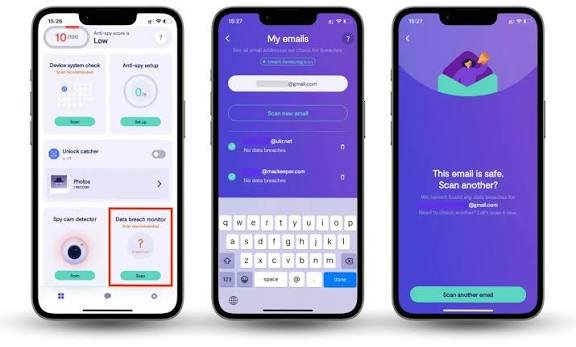
Smartphones contain significant amounts of personal information.
Users may store:
- Photos
- Messages
- Contacts
- Banking information
- Passwords
- Documents
- Location data
- Emails
- Personal accounts
This makes smartphone security extremely important.
Users should keep devices updated, use strong authentication, avoid suspicious applications, and be cautious when clicking unknown links.
Businesses should also protect mobile applications and customer data from security threats.
Smartphones and Artificial Intelligence
Artificial intelligence is increasingly becoming part of smartphone hardware and software.
Modern smartphones can use AI for:
- Photography
- Voice recognition
- Translation
- Writing assistance
- Image editing
- Search
- Personalization
- Battery optimization
- Security
- Accessibility
AI-powered features are becoming an important selling point for smartphone manufacturers.
Future smartphones may perform more AI processing directly on the device rather than relying entirely on cloud services.
Smartphone Trends
Several major trends are shaping the future of smartphones.
Foldable Smartphones
Foldable devices provide larger screens while maintaining a more compact form factor.
Manufacturers continue to experiment with different folding designs.
AI Smartphones
AI features are becoming more integrated into mobile operating systems and applications.
AI smartphones may offer improved photography, productivity tools, personal assistants, and content creation.
Better Battery Technology
Battery life remains a major consumer concern. Manufacturers are continuing to improve battery capacity, charging speeds, and power efficiency.
Improved Cameras
Camera systems continue to improve through better sensors, computational photography, and AI-powered processing.
More Sustainable Devices
Manufacturers are paying greater attention to recycled materials, repairability, packaging, and energy efficiency.
Satellite Connectivity
Some newer smartphones support satellite-based communication features in selected markets, potentially improving connectivity in areas with limited cellular coverage.
Smartphone Statistics and Digital Marketing
Smartphone statistics are particularly useful for digital marketers.
If a large portion of a company's website traffic comes from smartphones, the business should prioritize mobile experience.
Marketing teams should consider:
- Mobile-friendly landing pages
- Responsive website design
- Mobile search
- Social media advertising
- Mobile video
- App marketing
- Mobile ecommerce
- Fast page loading
Advertising creative should also be designed for smaller screens.
Why Smartphone Statistics Matter for Businesses
Businesses can use smartphone statistics to make better decisions about products, websites, advertising, applications, and customer experiences.
For example, an ecommerce business can analyze mobile traffic and discover that most customers visit through smartphones.
The company could then improve:
- Mobile checkout
- Product pages
- Payment options
- Navigation
- Website speed
- Product images
Similarly, a content publisher can create mobile-friendly articles and videos based on smartphone usage patterns.
Must Read:
- Generative AI Statistics: Adoption, Users and Key Trends
- Online Advertising Statistics: Spending and Growth Trends
- Global Digital Statistics: Internet, AI and Social Media
FAQs:
How many people use smartphones?
Billions of people around the world use smartphones. The exact number depends on the definition of a smartphone user and the data source.
Which smartphone operating system is most popular?
Android has the largest global smartphone operating system share, while iOS has a strong position in many premium and higher-income markets.
Which smartphone brand is the largest?
The leading smartphone manufacturers change depending on the period and measurement method. Apple, Samsung, Xiaomi, OPPO, vivo, and Transsion are among the major global players.
What do people use smartphones for?
People use smartphones for communication, social media, search, video, shopping, payments, gaming, work, education, photography, navigation, and entertainment.
Why are smartphone statistics important?
Smartphone statistics help businesses understand consumer behavior, device adoption, market share, mobile internet usage, ecommerce trends, and technology preferences.
Are smartphones replacing computers?
Smartphones have replaced some computer activities for many consumers, particularly communication, social media, video, browsing, and shopping. However, computers remain important for tasks such as professional software, advanced content creation, programming, and large-scale productivity.
Conclusion:
Smartphone statistics provide a valuable picture of how consumers interact with technology and the internet. Smartphones have evolved from simple communication devices into powerful computing platforms that support social media, ecommerce, digital payments, entertainment, work, education, photography, and artificial intelligence.
The global smartphone market continues to change as manufacturers compete on price, performance, cameras, battery life, software, AI capabilities, and innovative designs. Android and iOS remain the dominant mobile operating systems, while major manufacturers compete across different price segments and regions.
Mobile internet usage is also changing how businesses reach customers. Websites, ecommerce stores, advertisements, applications, and digital content must increasingly be designed with smartphone users in mind.
Future smartphone development is likely to focus on artificial intelligence, foldable devices, improved cameras, faster connectivity, better battery technology, security, and more sustainable hardware.
For businesses, marketers, developers, and website owners, following smartphone statistics can provide useful insights into consumer behavior and digital opportunities. As smartphones continue to connect people to more services, they will remain one of the most important technologies shaping the global digital economy.