

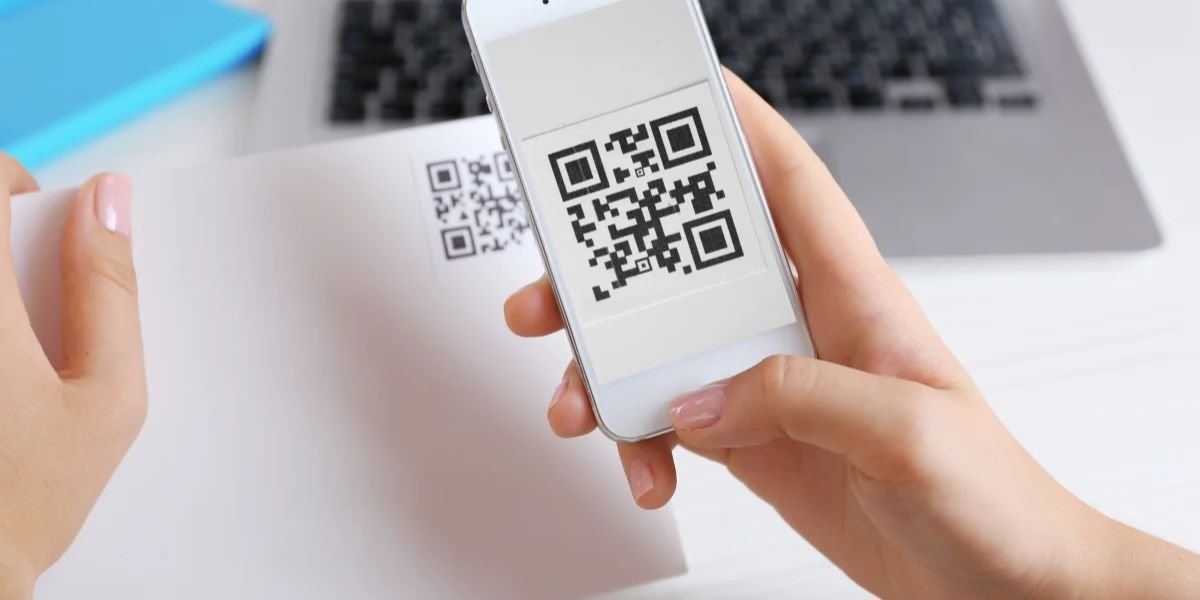
Can a Scammer Get Your Info from a QR Code? QR codes are everywhere today. You use them for payments, menus, logins, and quick website access. They are fast and convenient, which is why people trust them without thinking twice.
But this convenience also creates a risk. Scammers are now using QR codes to trick users into sharing personal information or making payments. Many people scan codes without checking where they lead.
That is why it is important to understand how QR code scams work and how they can affect your data.
What Is a QR Code?
A QR code is a square barcode that stores information. When you scan it with your phone, it can:
- Open a website
- Start a payment
- Download an app
- Show contact details
QR codes themselves are not harmful. The risk comes from where they lead.
Can a Scammer Get Your Info from a QR Code
Yes, a scammer can get your information from a QR code, but not directly from the code itself.
👉 The real danger is the link or action behind the QR code.
When you scan a malicious QR code, it may:
- Take you to a fake website
- Ask you to enter personal details
- Trigger a payment request
- Install harmful software
If you interact with these pages, your data can be stolen.
How QR Code Scams Work
Scammers create fake QR codes and place them in public places, emails, or messages. When you scan the code, it redirects you to a phishing site or payment page. These pages look real and trick users into entering sensitive information or sending money. This works because people trust QR codes and act quickly without checking.
QR code scams follow a simple process:
- Scammer creates a fake QR code
- Places it in public or online
- User scans the code
- It opens a fake website or payment page
- User enters data or completes payment
This method works because people trust QR codes and act quickly.
Common Types of QR Code Scams
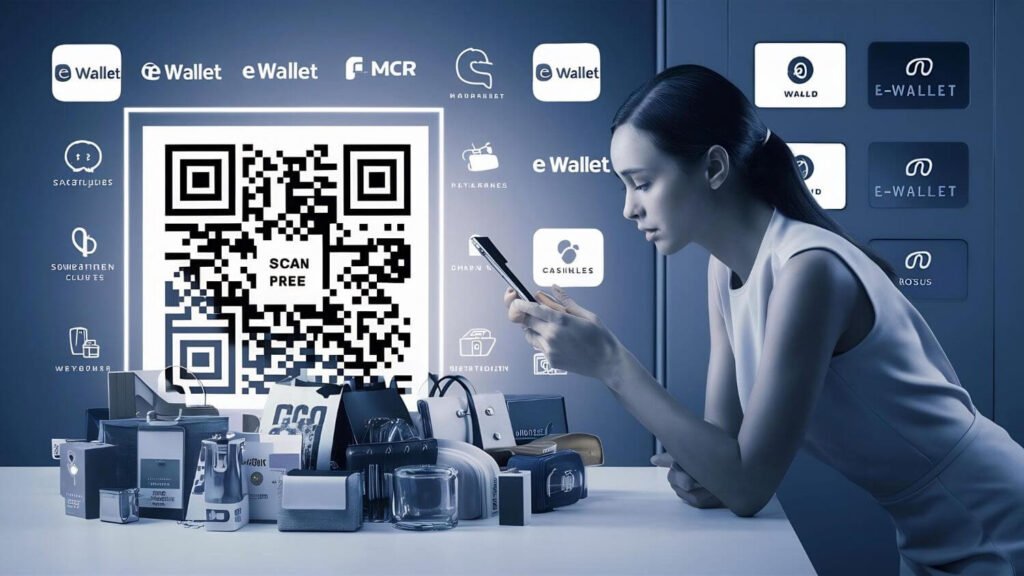
There are several types of QR code scams used today. These include fake payment codes, phishing login pages, malicious app downloads, and replaced QR codes in public places. Scammers may also send QR codes through emails or messages with urgent instructions. Each type is designed to trick users into taking unsafe actions.
Payment QR Code Scam
You scan a code thinking you are making a payment, but money goes to the scammer.
Fake Login Page
The QR code opens a fake login page to steal your credentials.
Malicious App Download
The code prompts you to download an unsafe app.
Public Place QR Replacement
Scammers replace real QR codes in places like restaurants or parking areas.
Email or Message QR Scam
You receive a QR code via email or message asking you to scan it urgently.
What Information Can Be Stolen
If you scan a malicious QR code, scammers may get:
- Login usernames and passwords
- Banking or payment details
- Personal information
- Device access (in some cases)
Warning Signs of a Fake QR Code
Watch for these signs:
- QR codes placed over another code
- Poorly printed or damaged codes
- Codes in unusual locations
- Messages asking you to scan urgently
- Links that look suspicious after scanning
How to Stay Safe from QR Code Scams
Staying safe is simple if you follow basic precautions. Always check where the QR code is placed and verify the link after scanning. Avoid entering sensitive information on unknown websites and do not scan random codes in public places. Taking a few seconds to verify can prevent major risks and protect your data.
Check Before You Scan
Look at the source of the QR code.
Verify the Link
After scanning, check the website URL before interacting.
Avoid Entering Sensitive Information
Do not enter personal or financial details unless you trust the source.
Use Trusted Apps
Use secure payment or scanning apps.
Be Careful in Public Places
Avoid scanning random QR codes in unknown locations.
QR Code Risk vs Protection
| Risk Type | What Happens | Protection Tip |
|---|---|---|
| Fake Payment | Money sent to scammer | Verify payment details |
| Phishing Website | Data theft | Check URL before entering info |
| Malware Download | Device infected | Avoid unknown apps |
| QR Replacement | Redirect to fake page | Inspect code carefully |
Quick Safety Checklist
Before scanning any QR code:
- Do you trust the source
- Does the location look safe
- Is the link verified
- Are you being asked for sensitive data
- Is there urgency or pressure
If unsure, do not scan.
Must Read:
- What Are Some Common Online Dating Scams?
- What Is the Safest Two-Factor Authentication?
- Why Am I Suddenly Getting a Lot of Spam Emails?
Final Thoughts:
QR codes are useful, but they are not always safe. A scammer cannot steal your information directly from a QR code, but they can trick you into giving it away.
The key is simple. Always verify before you act.
Taking a few seconds to check a QR code can protect your money, data, and privacy. Stay alert and use QR codes wisely.