

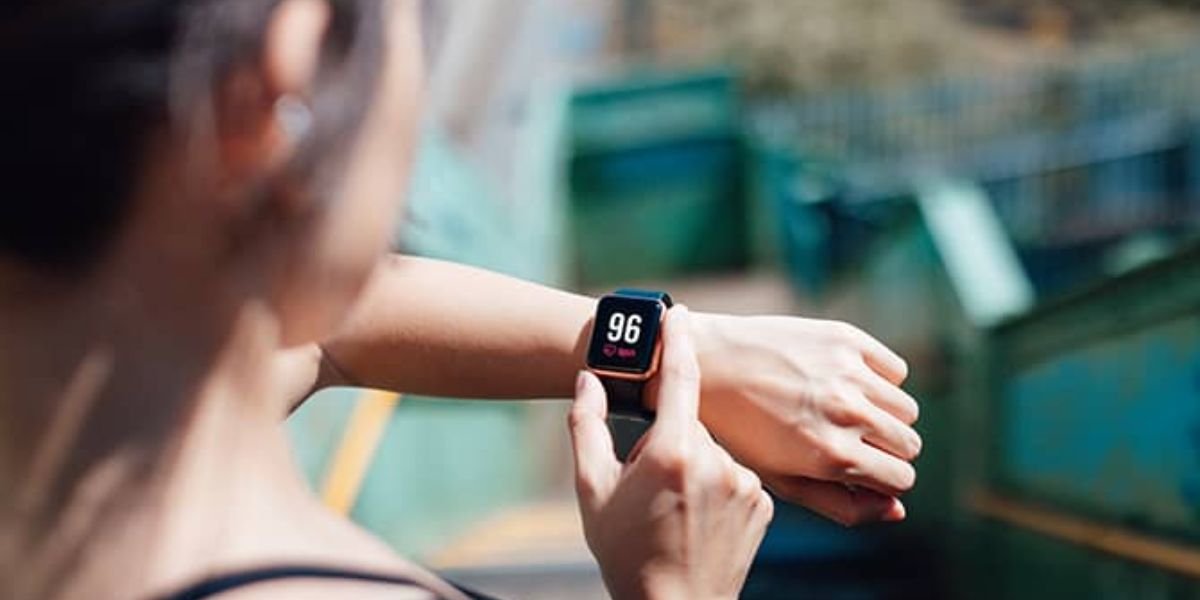
Do Fitness Trackers Sell Your Data? Fitness trackers are everywhere. People use them to track steps, heart rate, sleep, and daily activity. These devices help improve health and keep users motivated.
But there is an important question many people ignore. What happens to all this personal data?
Fitness trackers collect a large amount of information every day. While they offer useful insights, they also raise concerns about privacy and data sharing.
What Data Fitness Trackers Collect?
Fitness trackers collect more data than most people realise.
This includes:
- Steps and activity levels
- Heart rate and health metrics
- Sleep patterns
- Location data (GPS)
- Device usage and app behaviour
Some apps may also collect personal details like age, gender, and lifestyle habits.
Do Fitness Trackers Sell Your Data
Most major fitness tracker companies say they do not directly sell personal data in a simple way. However, the reality is more complex.
Instead of “selling,” companies may:
- Share data with partners
- Use data for advertising
- Provide anonymised data to third parties
So while your name may not be sold directly, your data can still be used in ways you may not expect.
How Your Data Is Used
Fitness tracker data is valuable. Companies use it for different purposes:
Improving Services
Data helps improve app features and performance.
Personalised Ads
Your activity and habits may be used to show targeted ads.
Research and Analytics
Some data is shared for research purposes.
Third-Party Integration
Apps connected to your tracker may access your data.
Companies and Data Sharing Practices

Different companies have different policies. Some are more transparent, while others are less clear.
Before using any fitness tracker, it is important to:
- Read privacy policies
- Check data-sharing settings
- Understand what permissions you are giving
Risks of Data Sharing
Sharing fitness data can lead to several risks.
Privacy Concerns
Sensitive health data may be exposed.
Targeted Advertising
Your behaviour is tracked and used for marketing.
Data Breaches
Hackers can target stored data.
Identity Risks
Location and personal data can be misused.
How to Protect Your Data
Protecting your data is essential in today’s digital world. By using strong passwords, enabling security features, and staying cautious online, you can reduce the risk of data theft and keep your personal information safe.
Review Privacy Settings
Limit what data is shared.
Disable Unnecessary Permissions
Turn off location or tracking if not needed.
Use Strong Passwords
Protect your account from unauthorized access.
Avoid Linking Too Many Apps
Each connection increases risk.
Update Software Regularly
Updates fix security issues.
Data Type vs Risk Level
| Data Type | Example | Risk Level |
|---|---|---|
| Activity Data | Steps, workouts | Low |
| Health Data | Heart rate, sleep | Medium |
| Location Data | GPS tracking | High |
| Personal Info | Age, profile details | Medium |
Quick Safety Checklist
Before using a fitness tracker:
- Have you checked privacy settings
- Are unnecessary permissions disabled
- Is your account secure
- Are apps limited
- Is software updated
Must Read:
- How to Identify a Fake Job Offer?
- How to Identify a Scammer’s Phone Number?
- What Is Tech Support Phishing?
Final Thoughts:
Fitness trackers are useful tools, but they come with privacy trade-offs. While companies may not directly sell your personal data, they do use and share it in different ways.
The key is awareness. When you understand how your data is handled, you can make better choices and stay in control.
Use fitness trackers smartly. Protect your data while enjoying the benefits of technology.