

- Avoid companies that promise credit fixes
- Never pay large upfront fees
- Do not share sensitive financial details
- Verify companies before trusting them
- Learn basic credit improvement steps yourself
Fixing your credit can feel urgent, especially if you’re planning a loan, buying a home, or trying to improve your financial standing. Many people look for quick solutions to repair their credit score.
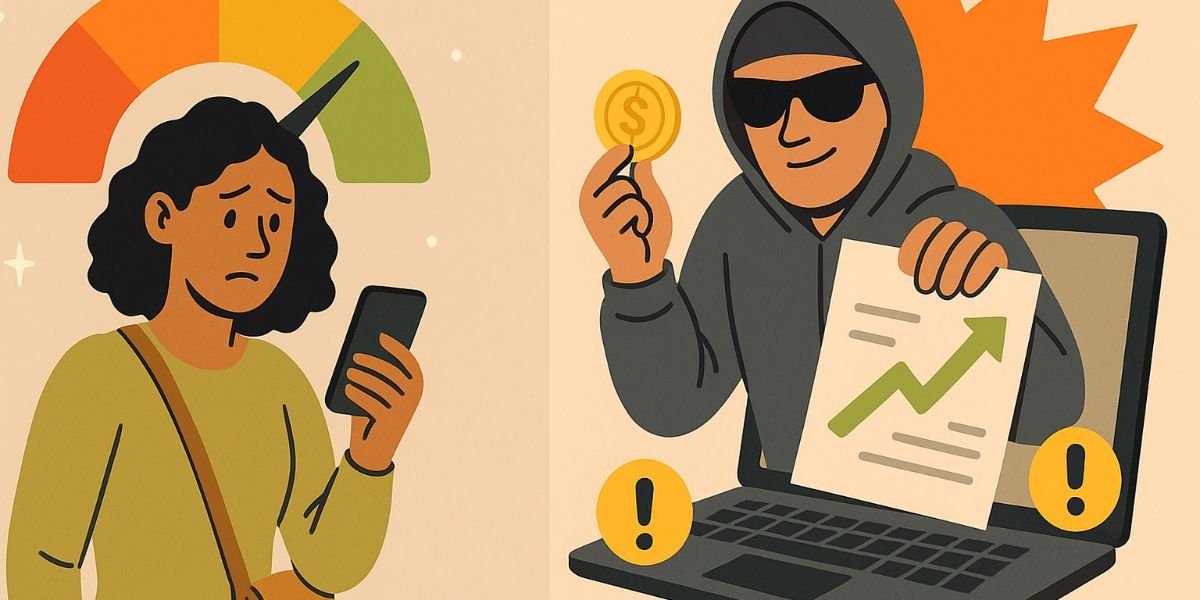
Scammers take advantage of this urgency. Credit repair scams promise fast results, guaranteed score increases, or removal of negative records. These claims sound attractive but are often misleading or completely false.
The truth is simple. Legitimate credit improvement takes time and transparency. This guide helps you spot Credit Score Help or Scam.
What Are Credit Repair Scams
Credit repair scams are frauds where companies or individuals promise to fix your credit quickly or remove negative records illegally.
These scams often involve:
- False promises of quick results
- Requests for upfront payments
- Misleading claims about credit laws
- Collection of sensitive financial data
The goal is to take money without providing real help.
Why These Scams Are Increasing
There are several reasons.
- Growing demand for loans and credit
- Lack of awareness about credit processes
- Easy online promotion of services
- People seeking quick solutions
Scammers exploit urgency and financial stress.
How Credit Repair Scams Work
The process usually follows a pattern.
- Attractive Offer
Promises of fast credit score improvement. - Trust Building
Professional websites and testimonials. - Upfront Payment
Large fees requested before service. - Minimal or No Work
Little to no real improvement. - Disappearance or Delay
Service becomes unresponsive.
Common Types of Credit Scams
Credit card phishing, fake loan offers, identity theft, skimming devices, OTP fraud, fake credit score services, impersonated bank calls, and unauthorised transactions are common types of credit scams targeting users.
1. Guaranteed Score Increase Scam
Promises a fixed improvement in score.
2. Negative Record Removal Scam
Claims to delete accurate negative history.
3. Identity “New File” Scam
Suggests creating a new credit identity.
4. Upfront Fee Scam
Charges before any service is provided.
5. Loan Approval Scam
Promises loans regardless of credit status.
Real-Life Example
A person signed up with a company promising to increase their credit score within 30 days. The company charged a high upfront fee.
After payment, communication slowed, and no real changes occurred. The company eventually stopped responding.
The promises were never fulfilled.

Warning Signs You Should Not Ignore
Look for these red flags.
- Guarantees of quick results
- Requests for upfront payment
- Advice to dispute accurate information
- Lack of clear process
- No physical address or verified presence
If you notice these signs, avoid the service.
Credit Repair Scam Types and Protection Actions
| Scam Type | How It Works | Protection Action |
|---|---|---|
| Score Guarantee | Promises fixed improvement | Avoid unrealistic claims |
| Record Removal | Claims to delete accurate data | Know your rights |
| Identity Scam | Suggests new identity | Never follow illegal advice |
| Upfront Fee | Charges before service | Pay only after service |
| Loan Scam | Guarantees approval | Verify lender legitimacy |
How Scammers Find Victims
Scammers target people through:
- Social media ads
- Email promotions
- Search engine ads
- Financial forums
They focus on individuals looking for quick credit solutions.
Psychological Tricks Used
These scams rely on behaviour.
- Urgency: Need for quick credit improvement
- Hope: Better financial future
- Trust: Professional presentation
- Relief: Promise of easy solution
These tactics push quick decisions.
Quick Safety Checklist
Use this checklist before choosing any service.
- Are promises realistic
- Is payment required upfront
- Is the company verified
- Are terms clearly explained
- Can you do it yourself
If unsure, do not proceed.
What to Do Before Choosing a Credit Repair Service
Before hiring anyone:
- Research the company thoroughly
- Check reviews and complaints
- Verify registration and contact details
- Understand the process
- Compare multiple options
These steps reduce risk.
What to Do If You Get Scammed
If you fall victim, act quickly.
- Contact your bank
- Report the transaction
- Save all communication
- Report the scam
- Monitor your credit activity
Quick action helps limit damage.
How to Verify Legitimate Credit Help
To ensure safety:
- Look for transparent processes
- Avoid guaranteed claims
- Check official registration
- Use trusted financial institutions
Legitimate services are honest about timelines.
Smart Habits for Long-Term Credit Safety
Develop habits that protect you.
- Pay bills on time
- Monitor your credit report
- Avoid unnecessary loans
- Keep credit utilisation low
- Stay informed about scams
These habits improve credit safely.
Final Thoughts:
Credit repair scams take advantage of urgency and financial pressure. The promise of quick results can lead to poor decisions.
Take your time, verify everything, and focus on real, proven methods. That approach will protect your money and improve your credit in the right way.
Must Read:
- Don’t Panic After a Scam: Follow These Recovery Steps
- Google Search Scam: Fake Customer Care Numbers
- Free Trial Scams: How to Avoid Hidden Charges and Protect Your Money
Quick Action Summary
- Avoid quick-fix promises
- Never pay upfront fees
- Verify companies before trusting
- Protect your financial data
- Focus on genuine credit improvement
This guide helps you spot credit repair scams and make safer financial decisions while improving your credit.