



- Advanced all in one SEO platform
- Powerful keyword research and insights
- Detailed competitor analysis and tracking
- Comprehensive site audit and reporting
Building a successful travel blog takes more than writing great content. You need visibility, traffic, and a clear SEO strategy to compete in crowded search results. This is where tools like SEMrush become essential for bloggers who want consistent growth.
Many bloggers start with free tools but soon realise they lack depth. Others invest in premium tools but feel overwhelmed by features or pricing. SEMrush sits in a unique position as a powerful all-in-one platform that promises serious results. The real question is whether it justifies its cost.
In this detailed SEMrush Reviews, you will get a complete breakdown of SEMrush, including features, pricing, pros, cons, and real use cases for travel bloggers. By the end, you will know if this tool is worth your investment or if you should consider alternatives like SE Ranking or Ahrefs.
Quick Overview of SEMrush
SEMrush is a complete digital marketing toolkit designed for SEO, content marketing, competitor research, and paid advertising. It is widely used by professionals, agencies, and growing bloggers.
Key Highlights
- All-in-one SEO and marketing platform
- Advanced keyword and competitor research
- Powerful backlink analysis
- Content optimisation tools
- PPC and advertising insights
SEMrush at a Glance
| Feature | Details |
|---|---|
| Best For | Bloggers, marketers, agencies |
| Pricing | Premium |
| Free Trial | Limited |
| Keyword Research | Advanced |
| Site Audit | Comprehensive |
| Backlink Analysis | Strong |
| Ease of Use | Moderate |
Why Bloggers Need SEMrush
SEO competition is intense, especially in niches like travel. Without proper tools, it becomes difficult to identify opportunities and track performance.
Common Challenges
- Choosing the right keywords
- Tracking rankings effectively
- Analysing competitors
- Fixing technical SEO issues
- Scaling content strategy
How SEMrush Helps
- Provides deep keyword insights
- Tracks rankings and traffic
- Reveals competitor strategies
- Identifies website issues
- Suggests content improvements
For travel bloggers, this means better chances of ranking for high-value keywords like destinations, travel tips, and guides.
SEMrush Core Features Explained
When it comes to powerful SEO tools, SEMrush stands out as a complete all-in-one platform designed to support almost every aspect of digital marketing. It combines multiple tools into one dashboard, making it easier for users to manage SEO, content, advertising, and social media without switching between different platforms.
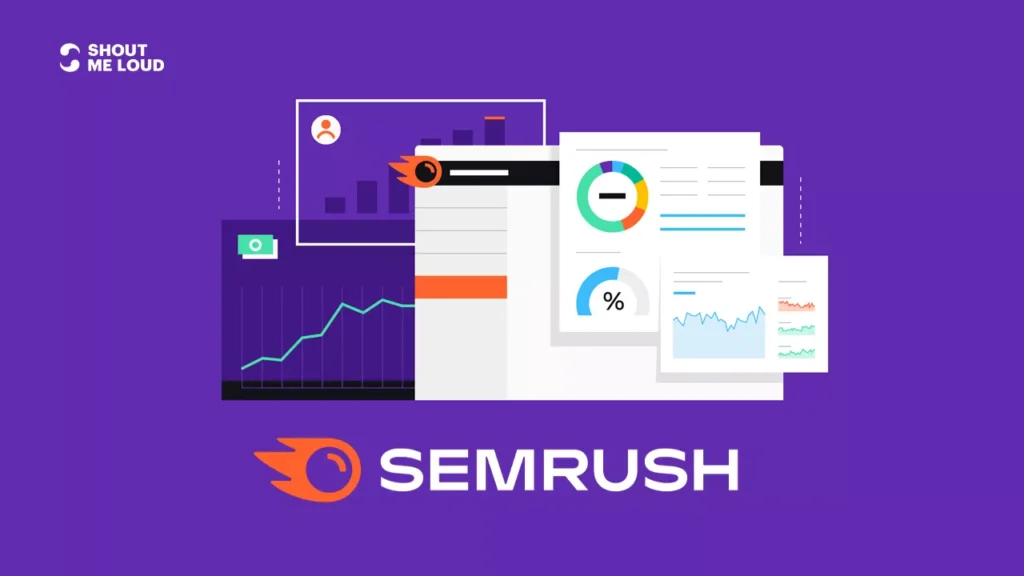
At its core, SEMrush is built to help users find the best opportunities to grow their online presence. Whether you want to improve rankings, analyse competitors, or plan content, it offers a wide range of features that cover everything from keyword research to technical SEO.
Main SEMrush Features at a Glance
- SEO Tools
- Content Marketing Tools
- Market Research Tools
- Advertising Tools
- Social Media Management
SEO Features in SEMrush
One of the strongest areas of SEMrush is its SEO toolkit. It provides everything needed to improve website visibility and performance in search engines. The platform focuses on four key areas:
- Keyword Research
- Competitive Analysis
- Link Building
- On-Page and Technical SEO
Keyword Research
SEMrush offers a detailed keyword research system that helps users discover high-performing search terms. It allows you to find keywords based on search volume, competition, and user intent.
When you enter a keyword, the tool provides valuable insights such as:
- Search volume across different locations
- Keyword difficulty and competition level
- Variations and related keywords
- Questions users are searching for
- Cost-per-click (CPC) for paid campaigns
- Websites currently ranking for that keyword
This makes it easier to choose the right keywords and build a strong SEO strategy that targets real user intent.
Competitive Research
Understanding your competitors is key to improving your own performance. SEMrush makes this simple by offering deep insights into competitor strategies.
With this feature, you can:
- Analyse website traffic by country
- Compare organic vs paid traffic
- Identify top-performing keywords
- Check backlink profiles
- Compare performance with competitors
This data helps you see what’s working for others so you can refine your own strategy and stay ahead in search rankings.
Link Building
Backlinks are a major ranking factor, and SEMrush helps simplify the process of finding link-building opportunities.
To get started, you need to enter:
- Your website URL
- Target keywords
- Competitor websites
Based on this, SEMrush generates a list of potential websites where you can build backlinks. You can organise and track these opportunities directly within the platform.
However, it’s important to note that while SEMrush helps identify opportunities, you still need to reach out manually to secure backlinks. It assists with research but doesn’t automate the outreach process.
On-Page and Technical SEO
SEMrush also provides tools to improve your website’s structure and performance. Its site audit feature scans your website and highlights key issues affecting SEO.
It helps you analyse:
- Overall website health
- Technical errors
- Page speed and performance
- Core Web Vitals
- SEO issues on individual pages
Additionally, it includes:
- On-page SEO checker
- SEO content templates
- Log file analysis
- Listing management tools
These features are useful for identifying problems quickly. However, beginners may need some SEO knowledge to fully understand and implement the suggestions effectively.
Content Marketing Tools
SEMrush includes content marketing features designed to help users create SEO-friendly content. It allows you to generate content ideas based on your target keywords, which is useful if you’re unsure what to write about.
Key features include:
- Topic research for content ideas
- SEO writing assistant
- Content templates for optimisation
These tools guide users in creating content that aligns with search engine requirements. While experienced writers may not rely heavily on them, beginners can benefit from the structured guidance.
Market Research Tools
SEMrush offers several tools to analyse market trends and competitor strategies. These tools provide insights into how other businesses perform online.
With market research features, you can:
- Study competitor traffic and behaviour
- Analyse keyword strategies
- Monitor brand mentions and PR activity
- Evaluate social media presence
While these insights are valuable for understanding the market, they mainly support decision-making rather than directly improving SEO performance.
Advertising Tools
SEMrush also includes tools for paid advertising, helping businesses improve their ad campaigns.
It supports:
- Paid search campaigns (like Google Ads)
- Social media ads (such as Facebook Ads)
Users can analyse competitor ads, track performance, and identify profitable keywords for paid campaigns.
Although platforms like Google Ads already provide analytics, SEMrush adds value by offering competitive insights and keyword suggestions in one place.
Social Media Management
SEMrush integrates with major social media platforms, making it easier to manage and track social performance.
Supported platforms include:
- Twitter (X)
- Google Business Profile
With this feature, users can:
- Schedule posts
- Manage content calendars
- Track engagement
- Analyse performance
This is especially useful for businesses that want a simple way to manage multiple social accounts. However, brands heavily focused on social media may prefer more advanced dedicated tools.
Pros and Cons of SEMrush
Pros
- Extremely powerful tool
- Advanced data and insights
- All-in-one platform
- Strong competitor analysis
Cons
- Expensive for beginners
- Can feel complex
- Some features not needed by bloggers
SEMrush vs Other SEO Tools
| Feature | SEMrush | Ahrefs | SE Ranking |
|---|---|---|---|
| Pricing | High | High | Affordable |
| Ease of Use | Moderate | Moderate | Easy |
| Backlink Data | Strong | Very Strong | Medium |
| Best For | Agencies | Experts | Bloggers |
Key Differences
- SEMrush offers a complete marketing suite
- Ahrefs focuses heavily on backlinks
- SE Ranking is budget-friendly and simpler
Who Should Use SEMrush
SEMrush is not for everyone, but it is ideal for certain users.
Ideal Users
- Professional bloggers
- Digital marketers
- SEO agencies
- Businesses scaling online
Not Ideal For
- Beginners with low budgets
- Casual bloggers
- Users needing only basic SEO tools
Real Use Case for Travel Bloggers
Travel blogging is highly competitive, with thousands of websites targeting the same destinations and keywords. SEMrush gives travel bloggers a clear advantage by providing data-driven insights that help you make smarter decisions and grow faster.
Example Strategy
Here is how a travel blogger can practically use SEMrush to build and scale a successful blog:
- Find high-volume travel keywords
Use SEMrush to identify keywords with strong search demand such as destination guides, travel tips, and seasonal travel queries. - Analyse competitor content
Study top-ranking travel blogs to see what topics they cover, how they structure content, and which keywords they target. - Create detailed guides
Write comprehensive and helpful articles that provide more value than competing pages. Focus on clarity, depth, and user intent. - Track rankings
Monitor keyword positions regularly to see which posts are improving and which need updates. - Build backlinks
Reach out to travel websites, guest post on blogs, and create shareable content to earn quality backlinks.
Results
By applying this strategy consistently, travel bloggers can achieve measurable growth:
- Higher rankings
Your blog posts start appearing on the first page of search results for targeted keywords. - Increased traffic
More visibility leads to higher organic traffic from search engines. - Better monetisation
With more visitors, you can increase affiliate earnings, ad revenue, and brand collaborations.
Pricing Breakdown

SEMrush is known for its premium pricing, which can be a major factor for bloggers.
What You Get
- Multiple pricing plans
- Access to advanced tools
- Limited free trial
Is It Worth the Price?
Compared to Ahrefs and SE Ranking, SEMrush offers more features but at a higher cost.
Step-by-Step Guide to Getting Started
Getting started with SEMrush may seem overwhelming at first because of its powerful features, but the process becomes simple when you follow a clear structure. Once you set everything up correctly, you can begin improving your blog’s SEO performance and tracking real progress.
Step 1: Create an Account
The first step is to sign up and access the SEMrush dashboard.
- Visit the SEMrush website and create your account
- Choose a plan that fits your needs or start with the free trial
- Log in to access your main dashboard
After logging in, you will see multiple tools and options. Do not worry if it feels like a lot at first. Focus only on the core features to begin with. The dashboard gives you a quick overview of your website’s performance, which helps you stay organised from day one.
Step 2: Add Your Website
Once your account is ready, the next step is to add your website.
- Enter your domain name into the project section
- Select your target country and preferred search engine
- Configure basic tracking settings
Adding your website allows SEMrush to start collecting important data related to your SEO performance. This includes rankings, site health, and competitor insights. It also helps you create a central workspace where all your SEO activities are managed.
Step 3: Perform Keyword Research
Keyword research is one of the most important steps in your SEO journey.
- Use the keyword research tool to find relevant search terms
- Look for keywords with good search volume and manageable competition
- Focus on long-tail keywords for better ranking opportunities
For example, instead of targeting a broad keyword like “travel,” you can target more specific phrases like “budget travel tips in Europe” or “best beaches in Bali.” These keywords are easier to rank and attract more targeted visitors.
Step 4: Run Site Audit
After setting up keywords, you need to check your website’s technical health.
- Run a full site audit using SEMrush
- Review the overall SEO health score
- Identify errors such as broken links, missing meta tags, and slow loading pages
Fixing these issues is essential because technical problems can prevent your content from ranking, even if it is well written. SEMrush provides clear suggestions, making it easier to improve your website step by step.
Step 5: Track Performance
SEO is not a one-time task. It requires continuous monitoring and improvement.
- Track your keyword rankings regularly
- Monitor traffic changes and performance trends
- Update your content based on data insights
By checking your progress weekly or daily, you can quickly identify what is working and what needs improvement. This helps you stay consistent and make better decisions for long-term growth.
Following this step-by-step process ensures that you use SEMrush effectively from the beginning. With consistent effort and the right strategy, you can improve your rankings, increase traffic, and grow your blog successfully.
Tips to Get the Best Results
To get the most out of SEMrush, you need to use it with a clear and consistent approach. The tool provides powerful data, but real results come from how you apply that data to your content and strategy.
Focus on Long-Tail Keywords
Long-tail keywords are more specific and less competitive, which makes them easier to rank for.
- Target phrases with clear search intent
- Attract highly relevant visitors
- Improve chances of ranking faster
For example, instead of targeting “travel tips” you can go for “budget travel tips for Europe.” These keywords bring better-quality traffic that is more likely to engage with your content.
Analyse Competitors Regularly
Competitor analysis gives you a clear idea of what is already working in your niche.
- Check which keywords competitors rank for
- Analyse their top-performing pages
- Identify gaps in your content
By doing this regularly, you can create better and more detailed content that has a higher chance of ranking.
Update Content Frequently
SEO is not just about publishing new posts. Updating existing content can significantly improve performance.
- Refresh outdated information
- Add new keywords and sections
- Improve readability and structure
Search engines favour updated content, so regular improvements can boost rankings without creating new articles.
Build Quality Backlinks
Backlinks remain one of the strongest ranking factors.
- Focus on getting links from relevant websites
- Use guest posting and collaborations
- Create valuable content that others want to link to
Quality matters more than quantity. A few strong backlinks can have a bigger impact than many low-quality ones.
Track Performance Consistently
Tracking your performance helps you stay on the right path.
- Monitor keyword rankings regularly
- Analyse traffic trends
- Adjust your strategy based on data
Consistency is key. By reviewing your progress often, you can make smarter decisions and achieve steady growth over time.
Common Mistakes to Avoid
Even with a powerful tool like SEMrush, many bloggers struggle because of simple but critical mistakes. Avoiding these can save time, improve rankings, and help you grow your blog faster.
Mistakes Bloggers Make
These are some of the most common errors that hold bloggers back:
- Targeting highly competitive keywords
Many bloggers try to rank for broad, high-competition keywords right away. This makes it difficult to see results, especially for new websites. It is better to start with low to medium competition keywords and build authority over time. - Ignoring technical SEO
Technical issues like slow page speed, broken links, and missing meta tags can negatively impact your rankings. Even well-written content may fail to perform if your website has underlying problems. - Not using data properly
Having access to data is not enough. Some bloggers collect keyword and ranking data but do not take action based on it. The key is to analyse trends, update content, and adjust your strategy regularly. - Publishing without research
Writing articles without keyword research or competitor analysis often leads to low visibility. Every piece of content should be backed by proper research to ensure it targets the right audience.
By avoiding these mistakes and using SEMrush strategically, you can improve your SEO performance and build steady, long-term traffic for your blog.
Final Verdict:
SEMrush is one of the most powerful SEO tools available today. It offers a wide range of features that can help bloggers grow traffic, improve rankings, and scale their online presence.
However, its pricing may not suit everyone. If you are serious about SEO and want advanced tools, SEMrush is a great investment. If you are just starting, a tool like SE Ranking may be a better choice.
Must Read:
FAQs:
1. Is SEMrush good for beginners?
It can be used by beginners, but it may feel complex at first.
2. Is SEMrush better than Ahrefs?
Both tools are powerful, but they focus on different strengths.
3. Is SEMrush worth the price?
Yes, for serious users who need advanced features.
4. Can I use SEMrush for blogging?
Yes, it is highly effective for bloggers.
5. Does SEMrush offer a free trial?
Yes, but it is limited.
6. Is SEMrush good for travel blogs?
Yes, it helps find and rank travel-related keywords effectively.
- Advanced all in one SEO platform
- Powerful keyword research and insights
- Detailed competitor analysis and tracking
- Comprehensive site audit and reporting