


- Do not trust unexpected calls about money
- Never share personal or banking details
- Avoid paying any “processing” fees
- Verify independently through official sources
- Hang up if the call feels suspicios
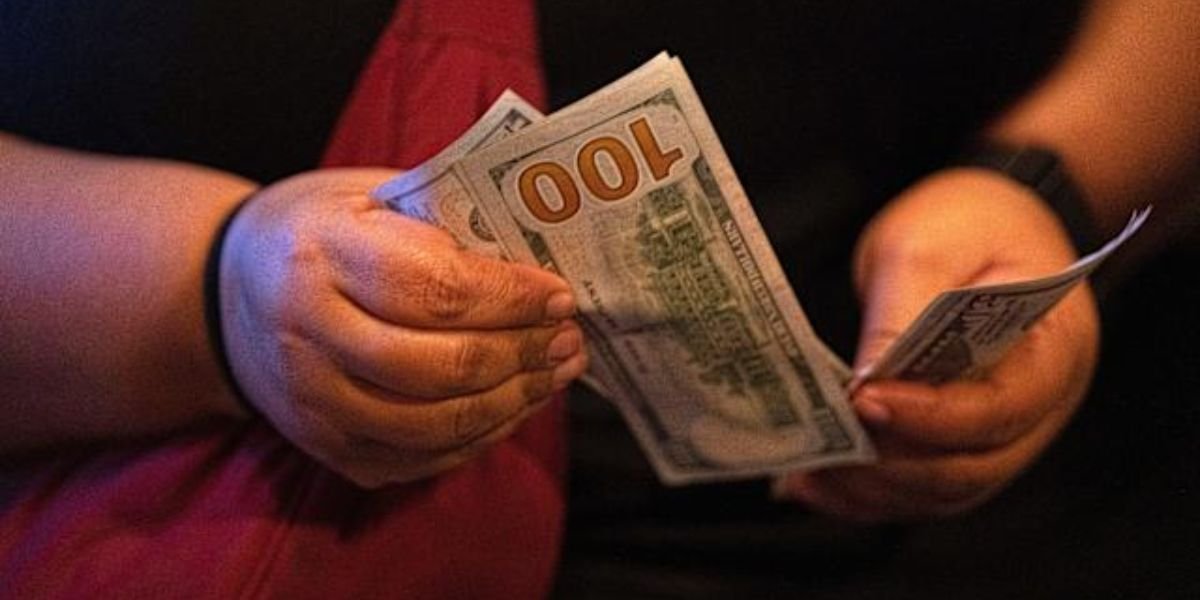
Unclaimed Money Scam Alert: Don’t Respond Yet, Getting a call saying you have unclaimed money waiting can feel like good news. It might be described as a forgotten bank balance, insurance payout, inheritance, or government refund.
But here’s the reality. Most unexpected calls about unclaimed funds are scams. Scammers use this tactic because it creates excitement and curiosity. People are more likely to listen and respond when they think they might receive money.
The risk is simple. Instead of receiving money, you could lose it or expose your personal information. This guide explains how to handle such calls safely and avoid falling into a trap.
What Are Unclaimed Funds Call Scams
Unclaimed funds call scams are fraudulent calls where scammers claim you are entitled to money that you didn’t know about.
These calls may mention:
- Unclaimed bank balances
- Insurance payouts
- Government refunds
- Lottery or prize winnings
- Inheritance funds
The goal is to trick you into paying fees or sharing sensitive details.
Why These Scams Are Increasing
There are several reasons.
- Easy access to phone numbers
- High success rate due to curiosity
- Ability to impersonate officials
- Growing awareness of real unclaimed funds programs
Scammers mix truth with deception to sound convincing.
How These Calls Typically Work
The process usually follows a pattern.
- Unexpected Call
You receive a call about unclaimed funds. - Exciting Claim
A large amount of money is mentioned. - Verification Request
You are asked to confirm personal details. - Fee Request
Processing or release fee is required. - Disappearance
The scammer vanishes after payment.
Common Types of Unclaimed Funds Scams
Unclaimed funds scams include fake government claims, inheritance scams, lottery winnings, dormant bank accounts, insurance payouts, and asset recovery fraud, where scammers demand fees or personal details to release non-existent money.
1. Government Refund Scam
Pretends to be from an official agency.
2. Insurance Claim Scam
Claims an unpaid insurance amount.
3. Inheritance Scam
Fake inheritance from unknown relatives.
4. Bank Balance Scam
Mentions dormant or inactive accounts.
5. Lottery or Prize Scam
Claims winnings you never entered.
Real-Life Example
A person received a call stating they had an unclaimed insurance payout. The caller sounded professional and provided reference numbers.
They asked for a small fee to release the funds. After payment, more charges were requested. Eventually, the caller stopped responding.
The payout never existed.

Warning Signs You Should Not Ignore
Look for these red flags.
- Unexpected calls about money
- Requests for upfront fees
- Pressure to act quickly
- Asking for sensitive information
- Caller refuses to provide verifiable details
If you notice these signs, end the call.
Unclaimed Funds Scam Types and Protection Actions
| Scam Type | How It Works | Protection Action |
|---|---|---|
| Government Scam | Fake official calls | Verify through official websites |
| Insurance Scam | Claims unpaid policy | Contact insurer directly |
| Inheritance Scam | Fake family claims | Avoid unknown sources |
| Bank Scam | Mentions dormant accounts | Check with your bank |
| Lottery Scam | Claims winnings | Ignore if not entered |
How Scammers Get Your Details
Scammers collect information from:
- Data leaks
- Online forms
- Social media profiles
- Public directories
They use this data to make calls sound more believable.
Psychological Tricks Used
These scams rely on behaviour.
- Excitement: Unexpected money
- Urgency: Limited-time claim
- Authority: Official tone
- Curiosity: Unknown funds
These tactics push quick decisions.
Quick Safety Checklist
Use this checklist during or after the call.
- Did you expect this call
- Are you being asked for money
- Is the caller verified
- Are details unclear or vague
- Can you confirm independently
If unsure, do not proceed.
What to Do During the Call
If you receive such a call:
- Stay calm and do not engage deeply
- Do not share any personal details
- Do not agree to any payment
- Ask for written proof and official contact
- End the call politely
You are not obligated to continue the conversation.
What to Do After the Call
After ending the call:
- Block the number
- Report the incident
- Inform family or friends
- Stay alert for similar attempts
Taking action helps prevent further scams.
How to Check Real Unclaimed Funds Safely
If you think you might have unclaimed funds:
- Visit official government websites
- Contact your bank or insurer directly
- Use authorised portals only
- Avoid third-party agents
Real funds do not require upfront payment.
Smart Habits for Long-Term Protection
Develop habits that protect you.
- Be cautious with unexpected calls
- Verify before trusting
- Protect personal information
- Avoid sharing financial details
- Stay informed about scams
These habits reduce risk.
Final Thoughts:
Unexpected calls about unclaimed funds are designed to create excitement and urgency. The promise of easy money can make anyone act quickly.
Take a moment to verify before responding. That simple step can protect your money and your personal information.
Must Read:
- World Cup Scam Alert: How Fans Are Being Tricked
- That Random Call Saying “You’ve Won a Prize” is a Scam
- Losing Money to Scams? Here’s How to Stay Safe
Quick Action Summary
- Do not trust unexpected money calls
- Never pay upfront fees
- Verify through official sources
- Avoid sharing sensitive details
- Stay alert to scam tactics
This guide helps you handle unclaimed funds calls safely and avoid falling for common fraud tricks.