

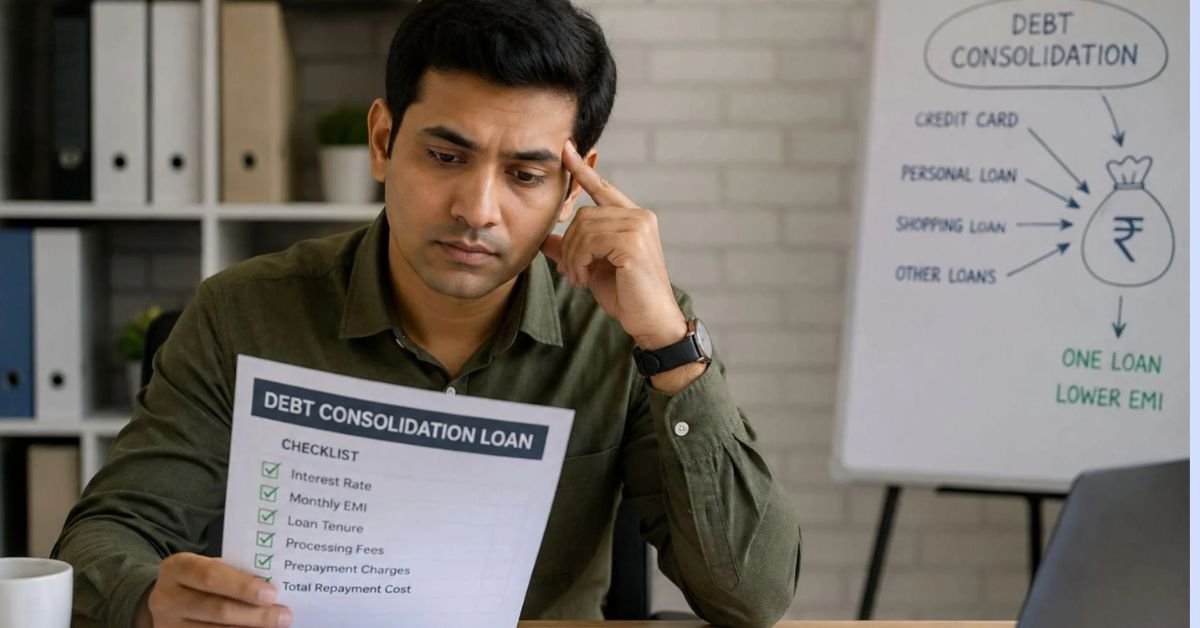
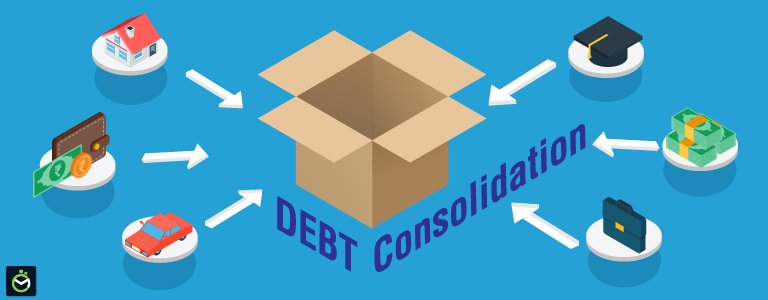
Debt Consolidation Loans can help borrowers combine multiple debts into one new loan with a single monthly payment. Instead of managing several credit card balances, personal loans, or other eligible debts separately, a borrower may use a consolidation loan to pay them off and then make payments on the new loan.
For people dealing with several high-interest debts, Debt Consolidation Loans may simplify repayment and potentially reduce borrowing costs. However, consolidation does not automatically eliminate debt. It replaces existing balances with a new financial obligation, and the overall result depends on the new interest rate, fees, repayment term, and the borrower's spending habits.
This guide explains Debt Consolidation Loans, how they work, common costs, potential benefits, risks, eligibility requirements, application steps, and factors to consider before choosing this type of financing.
Note: Loan rates, fees, eligibility requirements, and available terms vary by lender and borrower. This article is for general educational purposes and should not be considered financial advice or a loan offer.
What Are Debt Consolidation Loans?
Debt Consolidation Loans are personal loans or other financing arrangements used to combine multiple existing debts into one repayment obligation.
For example, imagine a borrower has three credit card balances and a personal loan. Instead of making four separate payments every month, the borrower could potentially take out one consolidation loan and use the funds to pay those balances.
After the old debts are paid, the borrower makes one monthly payment on the new loan.
The goal is usually to make debt repayment more manageable. Depending on the borrower's credit profile and the terms offered, consolidation may also reduce the interest rate or provide a fixed repayment schedule.
However, a lower monthly payment does not necessarily mean lower overall costs. A longer repayment period can result in more interest being paid over the life of the loan.
How Do Debt Consolidation Loans Work?
The process behind Debt Consolidation Loans is relatively straightforward.
First, the borrower identifies the debts they want to consolidate. These might include credit cards, medical bills, personal loans, or other eligible unsecured debts.
Next, the borrower applies for a new loan large enough to cover some or all of the selected balances.
If approved, the new loan provides the necessary funds. Depending on the lender, the borrower may receive the money directly or the lender may send payments to creditors.
The existing debts are then paid using the new financing.
Instead of making multiple debt payments, the borrower typically makes one payment toward the consolidation loan.
For example:
Before consolidation:
- Credit Card A: $5,000
- Credit Card B: $4,000
- Personal Loan: $6,000
Total debt: $15,000
After consolidation:
- New Debt Consolidation Loan: $15,000
The borrower now has one new loan payment instead of three separate payments.
The actual financial benefit depends on the new interest rate, fees, repayment term, and whether the borrower avoids accumulating new debt.
Why Do People Use Debt Consolidation Loans?
There are several reasons consumers consider Debt Consolidation Loans.
One Monthly Payment
Managing multiple bills can be difficult.
Each debt may have a different due date, minimum payment, interest rate, and balance. Consolidation can simplify the repayment process by combining eligible debts into one loan.
Potentially Lower Interest Rate
Some borrowers may qualify for a consolidation loan with a lower interest rate than the rates on their existing credit cards.
This can reduce the amount of interest charged, particularly when high-interest revolving debt is replaced with a lower-rate installment loan.
However, approval for a lower rate is not guaranteed.
Predictable Repayment
Many personal loans have fixed interest rates and fixed monthly payments.
This can make budgeting easier because the borrower knows how much they need to pay each month and when the loan is scheduled to be paid off.
Structured Debt Payoff
Credit cards can remain open indefinitely when borrowers make only minimum payments.
A fixed-term consolidation loan creates a defined repayment period. If payments are made as scheduled, the balance can gradually decline until the loan is fully repaid.
Types of Debt That May Be Consolidated
The types of debt eligible for Debt Consolidation Loans depend on the lender.
Common examples include:
- Credit card debt
- Personal loans
- Medical bills
- Store credit accounts
- Certain unsecured loans
- Other eligible consumer debts
Some debts may not be appropriate for consolidation, particularly when the new loan has unfavorable terms or when the existing debt has special benefits or protections.
Before consolidating, compare the terms of each existing debt with the proposed new financing.
Debt Consolidation Loans vs. Balance Transfer Credit Cards
A balance transfer credit card is another option some borrowers consider when managing credit card debt.
With a balance transfer, eligible existing credit card balances may be transferred to another credit card, often with a promotional interest rate for a limited period.
Debt Consolidation Loans generally work differently.
A consolidation loan typically provides installment financing with scheduled payments. A balance transfer credit card is revolving credit and may have a promotional rate that expires after a certain period.
A balance transfer can be useful when the borrower can pay the balance before the promotional period ends. A consolidation loan may be more suitable for someone who prefers a fixed repayment schedule.
Both options have costs and eligibility requirements that should be carefully reviewed.
Debt Consolidation Loans Costs

Understanding the costs is one of the most important parts of evaluating Debt Consolidation Loans.
Interest Rate
The interest rate determines how much interest accrues on the outstanding loan balance.
Borrowers with stronger credit profiles may have access to more competitive rates, while borrowers with weaker credit may receive higher rates.
The new interest rate should be compared with the rates on the debts being consolidated.
Origination Fees
Some lenders charge an origination fee for processing and issuing the loan.
The fee may be deducted from the loan proceeds or added to the loan balance, depending on the lender.
For example, if you are approved for a $20,000 loan but the lender charges an origination fee, you may receive less than $20,000 in usable funds if the fee is deducted upfront.
Prepayment Fees
Some loans may have restrictions or fees associated with paying off the loan early.
Before signing an agreement, check whether there is a prepayment penalty.
Late Payment Fees
Missing or making late payments can result in additional charges and potentially damage your credit history.
Always understand the lender's late-payment policies.
Total Interest
The interest rate is important, but the total interest paid over the entire repayment period can be even more important.
A longer loan term may lower your monthly payment while increasing the total amount of interest paid.
Understanding APR
When comparing Debt Consolidation Loans, borrowers should pay attention to the annual percentage rate, or APR.
APR can provide a broader view of borrowing costs because it may include certain fees along with the interest rate.
For example, two lenders could advertise similar interest rates but have different fees.
Comparing APR and total repayment costs can make it easier to evaluate the overall cost of different loan offers.
However, borrowers should still read the complete loan agreement because APR calculations and disclosures can vary depending on the product and applicable regulations.
Benefits of Debt Consolidation Loans
There are several potential benefits associated with Debt Consolidation Loans.
Simplified Payments
Combining several debts into one loan can reduce the number of monthly payments.
Instead of tracking multiple creditors, the borrower may have one lender and one payment.
Potential Interest Savings
If the new loan has a lower interest rate than the existing debts, the borrower may save money on interest.
However, savings should be calculated after considering fees and the new loan's repayment period.
Fixed Monthly Payments
Many consolidation loans provide fixed payments.
This can make monthly budgeting easier than managing revolving credit balances with changing minimum payments.
Defined Repayment Date
An installment loan generally has a specific maturity date.
This gives borrowers a clear timeline for repayment, assuming they make the required payments.
Reduced Administrative Stress
Managing several accounts can increase the chance of forgetting a payment.
A single consolidation loan may make debt management easier.
Risks of Debt Consolidation Loans
Although Debt Consolidation Loans can provide benefits, they also involve important risks.
You Still Owe the Money
Consolidation does not erase debt.
The original debts are replaced by a new obligation. The borrower still needs to repay the consolidated amount, plus interest and applicable fees.
Longer Repayment Can Cost More
A lower monthly payment can sometimes be achieved by extending the repayment period.
For example, reducing the monthly payment by extending a loan from three years to seven years may increase the total interest paid.
Always compare the total repayment cost rather than looking only at the monthly payment.
New Debt Can Build Up
One of the biggest risks occurs when borrowers consolidate credit card balances and then continue using those cards without changing their spending habits.
The borrower could end up with the new consolidation loan plus new credit card balances.
Higher Rate Than Expected
Not everyone qualifies for a low-interest consolidation loan.
If your credit profile is weak, the new loan may have a high interest rate that provides little financial benefit.
Fees Can Reduce Savings
Origination fees and other charges can reduce or eliminate potential interest savings.
Calculate the complete cost before accepting an offer.
Secured Loans Can Put Assets at Risk
Some debt consolidation products may be secured by an asset.
If a borrower uses a home or other valuable property as collateral, failing to repay the loan could put that asset at risk.
Borrowers should carefully consider the consequences before using secured financing to pay unsecured debts.
Debt Consolidation Loans and Credit Scores
Credit scores can play an important role in Debt Consolidation Loans.
When you apply for financing, a lender may perform a credit inquiry. A hard inquiry can affect your credit score temporarily.
However, the long-term impact depends on how the new loan is managed.
If consolidation helps you make payments on time, reduce revolving balances, and manage debt responsibly, it may support healthier credit over time.
On the other hand, missed payments or accumulating new debt can damage your credit.
Closing old credit card accounts can also affect credit utilization and the average age of accounts, depending on the situation.
Before closing accounts after consolidation, understand how doing so could affect your overall credit profile.
Debt Consolidation Loans Requirements
The requirements for Debt Consolidation Loans vary among lenders.
Common qualification factors include:
Credit Score
Your credit score and credit history can affect eligibility, interest rates, and loan amounts.
Higher credit scores generally indicate lower perceived lending risk, although every lender uses its own underwriting criteria.
Income
Lenders generally want to see that you have enough income to make the required monthly payments.
You may need to provide pay stubs, tax documents, bank statements, or other proof of income.
Debt-to-Income Ratio
Your debt-to-income ratio, or DTI, compares monthly debt obligations with gross monthly income.
A high DTI may make it more difficult to qualify because it suggests that a larger portion of your income is already committed to debt payments.
Employment History
Some lenders consider employment and income stability when evaluating applications.
Self-employed borrowers may need additional documentation to verify income.
Loan Amount
The amount requested should generally correspond to the debts being consolidated and the lender's maximum loan limits.
Borrowing more than necessary can increase interest costs and repayment obligations.
How to Apply for Debt Consolidation Loans
The application process usually involves several steps.
Step 1: List Your Existing Debts
Create a complete list of your current debts.
Include:
- Outstanding balance
- Interest rate
- Minimum monthly payment
- Due date
- Remaining repayment period
- Fees, if applicable
This information will help you determine whether consolidation could actually improve your financial situation.
Step 2: Calculate Your Total Debt
Add the balances you want to consolidate.
Knowing the exact amount can help you avoid requesting too much or too little financing.
Step 3: Check Your Credit
Review your credit history before applying.
Understand your current credit standing and identify any errors that may need to be addressed.
Step 4: Compare Lenders
Compare multiple Debt Consolidation Loans instead of automatically choosing the first lender.
Look at:
- Interest rate
- APR
- Loan amount
- Repayment term
- Monthly payment
- Origination fee
- Late fees
- Prepayment terms
- Funding time
- Eligibility requirements
Step 5: Prequalify When Available
Some lenders allow borrowers to prequalify using a soft credit inquiry.
Prequalification may provide an estimate of available rates and terms without the same type of hard credit inquiry associated with a full application.
However, prequalification does not guarantee final approval.
Step 6: Submit Your Application
Once you have compared offers, submit the application to the lender you believe best fits your needs.
Provide accurate financial and personal information.
Step 7: Pay Off Existing Debts
If approved, use the loan proceeds according to the lender's instructions.
Some lenders send payments directly to creditors, while others provide funds to the borrower.
Verify that the old balances have actually been paid.
Step 8: Follow the New Repayment Schedule
After consolidation, focus on making every payment on time.
Set up automatic payments or reminders if appropriate.
How to Compare Debt Consolidation Loans
The easiest way to compare Debt Consolidation Loans is to evaluate both short-term and long-term costs.
Suppose you have $15,000 in credit card debt with a high interest rate.
You receive two offers:
Loan A
- Lower interest rate
- Three-year term
- Higher monthly payment
- Small origination fee
Loan B
- Slightly higher interest rate
- Seven-year term
- Lower monthly payment
- Larger overall interest cost
Loan B may appear more affordable because the monthly payment is lower.
However, Loan A could cost less overall if you can comfortably afford its payment.
This is why borrowers should compare total repayment cost, not simply monthly payment.
When Debt Consolidation May Make Sense
Debt Consolidation Loans may be worth considering when:
- You have several high-interest debts
- You qualify for a lower interest rate
- You want one monthly payment
- You have stable income
- You have a realistic repayment plan
- The new loan has reasonable fees
- You can avoid accumulating new debt
The numbers should support the decision.
Calculate how much you currently pay in interest and fees and compare that amount with the total cost of the proposed consolidation loan.
When Debt Consolidation May Not Make Sense
Consolidation may not be suitable when the new loan has a similar or higher interest rate than your existing debt.
It may also be problematic if the loan significantly extends the repayment period and increases total interest costs.
Borrowers who continue spending heavily on credit cards after consolidation may also find themselves in a worse financial position.
If your debt is primarily the result of an ongoing income shortfall, simply replacing several debts with one loan may not solve the underlying financial problem.
Alternatives to Debt Consolidation Loans
Before choosing Debt Consolidation Loans, consider other options.
Balance Transfer
A balance transfer credit card may offer a promotional interest rate for eligible balances.
However, promotional periods are limited, and balance transfer fees may apply.
Debt Management Plan
A nonprofit credit counseling organization may help create a debt management plan.
The borrower typically makes one payment to the organization, which distributes funds to participating creditors according to the plan.
Debt Snowball Method
The debt snowball method focuses on paying off the smallest balance first while making minimum payments on other debts.
Once the smallest debt is eliminated, the borrower directs more money toward the next balance.
Debt Avalanche Method
The debt avalanche approach focuses on paying the debt with the highest interest rate first.
This can potentially reduce total interest costs when followed consistently.
Negotiating With Creditors
In some circumstances, borrowers may contact creditors directly to discuss payment arrangements or hardship options.
Availability and eligibility vary by creditor.
How to Avoid Debt Consolidation Scams
When searching for Debt Consolidation Loans, be careful with companies that make unrealistic promises.
Warning signs can include:
- Guaranteed loan approval
- Guaranteed debt elimination
- Requests for large upfront payments
- Pressure to make an immediate decision
- Requests for sensitive information through questionable channels
- Claims that all debt can be erased quickly
- Unclear pricing or loan terms
Research the lender carefully and verify the loan agreement before providing payment or financial information.
A legitimate lender should clearly explain the loan amount, interest rate, fees, repayment schedule, and applicable terms.
Must Read:
- Small Business Loans: Best Options, Requirements, Rates, and Application Tips
- Business Loans Guide: Types, Rates, Requirements, and How to Apply
- Personal Loans Guide: Rates, Requirements, Costs, and How to Compare Options
Final Thoughts:
Debt Consolidation Loans can simplify debt repayment by combining multiple balances into one loan. For borrowers who qualify for favorable terms, consolidation may potentially lower interest costs, provide predictable monthly payments, and create a structured path toward paying off debt.
But consolidation is not automatically a money-saving strategy.
Before accepting Debt Consolidation Loans, compare your existing interest rates with the new rate, calculate all fees, examine the repayment term, and determine the total amount you will pay.
Also consider your spending habits. If you consolidate credit card debt but continue adding new balances, the consolidation loan may not solve the underlying problem.
A good consolidation strategy starts with a complete understanding of your existing debt. List each balance, interest rate, monthly payment, and remaining term. Then compare those numbers with the proposed loan.
The most important factor is not simply getting approved. It is choosing financing that you can realistically repay while reducing unnecessary costs.
When approached carefully, Debt Consolidation Loans can be one tool for organizing multiple debts and creating a more manageable repayment structure. When the terms are unfavorable or borrowing habits remain unchanged, consolidation can increase financial pressure instead.
Take time to compare lenders, read the complete agreement, understand the fees, and calculate the total repayment cost before making a final decision.