


Term life insurance is one of the simplest forms of life insurance. It provides financial protection for a specific period, known as the policy term. If the insured person dies while the policy is active, the insurer generally pays a death benefit to the named beneficiaries, subject to the policy's terms and conditions.
For families, parents, homeowners, business owners, and anyone whose income supports other people, term life insurance can provide an affordable way to create financial protection. Unlike many permanent life insurance policies, term coverage generally focuses on providing a death benefit for a defined period rather than building cash value.
However, choosing the right policy requires more than comparing monthly premiums. You need to consider how much coverage you need, how long your family may need protection, the policy's renewal and conversion provisions, your financial obligations, and what happens when the term ends.
This guide explains how term life insurance works, how much it may cost, the main coverage options, its benefits and limitations, how insurers determine premiums, and how to decide whether term coverage is worth considering.
Important: This article provides general educational information and is not financial, tax, or insurance advice. Policy features, premiums, underwriting requirements, exclusions, and tax treatment vary by insurer and jurisdiction. Consider speaking with a licensed insurance professional before purchasing coverage.
What Is Term Life Insurance?
Term life insurance is a life insurance policy that provides coverage for a specified period. Common policy terms include 10, 15, 20, and 30 years, although available terms vary by insurer.
If the insured person dies during the covered period and the policy is in force, the beneficiaries generally receive the policy's death benefit.
If the insured survives the entire term, the policy typically ends according to its provisions. Some policies may offer renewal or conversion options.
How Term Life Insurance Works
The basic structure of term life insurance is straightforward.
You select:
- A coverage amount
- A policy term
- A premium payment schedule
- Beneficiaries
- Any available optional riders
The insurer evaluates your application through an underwriting process. If approved, you pay premiums according to the policy terms.
If you die while the policy is active, the insurer generally pays the death benefit to your beneficiaries.
If you outlive the term, there is generally no death benefit simply because you survived the policy period.
Why Term Life Insurance Is Popular
Term life insurance is often popular because it can provide a relatively large death benefit for a lower premium than comparable permanent life insurance.
This makes it particularly useful for people who need financial protection during specific years, such as while raising children, paying a mortgage, or building retirement savings.
How Much Does Term Life Insurance Cost?
The cost of term life insurance depends on several factors. There is no universal premium because insurers evaluate applicants individually.
Common pricing factors include:
- Age
- Health
- Coverage amount
- Policy term
- Tobacco or nicotine use
- Family medical history
- Occupation
- Lifestyle
- Hobbies
- Underwriting results
- Type of policy
Why Age Matters
Age is one of the major factors affecting term life insurance premiums.
Younger applicants may generally qualify for lower premiums than older applicants because insurers typically consider age when assessing mortality risk.
Waiting several years to purchase coverage can therefore result in higher premiums, although individual circumstances and underwriting determine the actual cost.
Why Health Matters
Health can significantly influence the price of term life insurance.
Depending on the insurer and policy, underwriting may consider:
- Medical history
- Current health conditions
- Prescription medications
- Blood pressure
- Cholesterol
- Height and weight
- Tobacco use
- Family health history
Some policies use simplified underwriting or may not require a traditional medical exam, but these policies can have different pricing and eligibility requirements.
Coverage Amount Affects Premiums
A $1 million policy generally costs more than a $250,000 policy because the insurer is accepting a larger potential financial obligation.
The goal is to select enough coverage to protect your financial dependents without purchasing substantially more insurance than you need.
How Much Term Life Insurance Coverage Do You Need?
Determining the appropriate coverage amount is one of the most important decisions when buying term life insurance.
There is no universal number that works for everyone.
Start With Your Financial Responsibilities
Consider the expenses your family might face if your income disappeared.
These could include:
- Mortgage payments
- Rent
- Household expenses
- Childcare
- Education
- Car loans
- Personal debts
- Business obligations
- Future financial goals
The purpose of the policy is to provide financial resources for beneficiaries if the insured dies.
Consider Income Replacement
If your family depends on your salary, income replacement may be a major part of your calculation.
You can estimate how much money your household would need over a specific period.
For example, parents with young children may want coverage that helps support the family until the children become financially independent.
Consider Existing Assets
Your life insurance needs may be reduced by existing assets such as:
- Savings
- Investments
- Retirement accounts
- Existing life insurance
- Other financial resources
The objective is generally to identify the financial gap that would exist after your death.
How Long Should a Term Life Insurance Policy Last?
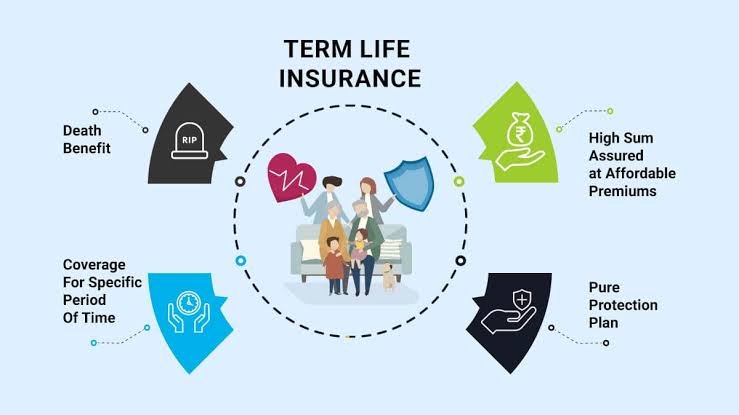
The policy term should generally match the period during which your financial dependents need protection.
10-Year Term
A 10-year term life insurance policy may be suitable for short-term obligations.
For example, someone approaching retirement might need coverage until they reach retirement age.
20-Year Term
A 20-year policy can be useful for people who want coverage while children are growing up or while working toward significant financial goals.
30-Year Term
A 30-year policy may be appropriate for younger adults with long-term financial responsibilities.
For example, a young parent may want protection throughout the years when children are dependent and a mortgage is outstanding.
Match the Term to Your Financial Plan
Do not choose a policy term solely because it is inexpensive.
Consider:
- Your age
- Children's ages
- Mortgage duration
- Expected retirement date
- Spouse's financial needs
- Other debts
- Long-term financial goals
Benefits of Term Life Insurance
Term life insurance offers several potential benefits.
Affordable Financial Protection
One of the biggest advantages is the ability to obtain substantial life insurance coverage without paying the premiums associated with many permanent policies.
This can make term coverage practical for families with limited or moderate insurance budgets.
Simple Structure
The basic concept is easy to understand.
You pay premiums for a specific period, and the policy provides a death benefit if the insured dies during that period.
Income Protection
A term life insurance death benefit can help replace lost income.
This can be particularly valuable for families that depend on one person's salary.
Mortgage Protection
Homeowners may purchase term coverage to help ensure that a spouse or family member has financial resources to manage mortgage obligations after the insured's death.
Education Protection
Parents can use life insurance to help protect future education goals.
If a parent dies unexpectedly, the death benefit can provide financial resources that may help beneficiaries manage tuition and other education expenses.
Debt Protection
The death benefit can also provide beneficiaries with money that may be used toward eligible debts and other financial obligations.
Limitations of Term Life Insurance
While term life insurance can be useful, it also has limitations.
Coverage Ends
The most obvious limitation is that coverage is designed for a specific period.
If you outlive the policy term, the policy may end without a death benefit.
No Standard Cash Value
Traditional term life insurance generally does not accumulate cash value like many permanent life insurance policies.
This means the policy is primarily designed for protection rather than cash accumulation.
Renewal Can Become Expensive
Some policies allow renewal after the original term, but premiums may increase substantially as you get older.
Renewal terms depend on the specific policy.
Coverage May Become Insufficient
Your financial situation can change over time.
A policy that was sufficient when purchased may become inadequate after marriage, having children, purchasing a home, starting a business, or experiencing changes in income.
Regularly reviewing your insurance needs can help identify coverage gaps.
Term Life Insurance vs. Whole Life Insurance
One of the most common insurance decisions involves comparing term life insurance with whole life insurance.
Term Life Insurance
Term coverage generally provides:
- Temporary protection
- A defined policy period
- Lower premiums in many cases
- No traditional cash value
- A straightforward death benefit
Whole Life Insurance
Whole life insurance generally provides:
- Permanent coverage
- A cash value component
- Potentially higher premiums
- Long-term policy provisions
- A death benefit while the policy remains in force
Neither type is automatically better.
Term life insurance may be more appropriate for people who primarily need affordable income protection for a defined period.
Whole life insurance may be considered by people who have specific permanent coverage or financial-planning goals and can afford the higher premiums.
Term Life Insurance vs. Permanent Life Insurance

Permanent life insurance includes several types of policies designed to provide lifelong coverage if policy requirements are satisfied.
Examples include:
- Whole life
- Universal life
- Variable life
- Certain indexed life products
Term life insurance generally has a simpler structure.
When comparing the options, consider whether you need lifelong protection or protection for a specific financial period.
What Are Term Life Insurance Coverage Options?
Different insurers offer different policy structures and optional features.
Level Term Life Insurance
With level term life insurance, the death benefit generally remains the same throughout the policy term.
Premiums may also remain level for a specified period, depending on the policy.
This structure can make financial planning easier because the policyholder knows the expected premium during the level-premium period.
Renewable Term Insurance
Some policies include renewal provisions that allow the policyholder to continue coverage after the original term without repeating the full underwriting process.
However, premiums may increase with age.
Read the renewal provisions carefully.
Convertible Term Insurance
Some term life insurance policies include a conversion option that allows the policyholder to convert some or all of the term coverage into a qualifying permanent policy.
Conversion rules vary by insurer and policy.
If conversion is important to you, check:
- Conversion deadline
- Eligible permanent policies
- Amount that can be converted
- Whether new medical underwriting is required
- Changes in premiums
What Is a Term Life Insurance Rider?
A rider is an optional policy feature that can provide additional benefits or modify the policy.
Depending on the insurer, available riders may include features related to:
- Accelerated death benefits
- Waiver of premium
- Child coverage
- Additional accidental death benefits
- Conversion rights
Not every rider is available with every policy.
Adding riders may increase the premium, so consider whether the additional feature provides meaningful value.
How Insurers Determine Term Life Insurance Premiums
Insurance companies use underwriting to evaluate the likelihood of paying a claim.
The underwriting process may consider health, age, lifestyle, medical history, occupation, and other relevant information.
Medical Exam
Some policies require a medical examination.
The exam may involve:
- Height and weight
- Blood pressure
- Blood or urine testing
- Health questionnaire
Not all policies require an exam.
No-Exam Term Life Insurance
Some insurers offer policies with limited or no traditional medical examination.
These products may use other information to evaluate applicants.
No-exam coverage can be convenient, but it may have different pricing, coverage limits, or eligibility requirements.
Is Term Life Insurance Worth It?
For many people, term life insurance can be worth considering because it provides financial protection during years when dependents may rely heavily on their income.
However, whether it is worthwhile depends on your circumstances.
Term Life Insurance May Be Worth Considering If You:
- Have children
- Have a spouse who depends on your income
- Have a mortgage
- Have significant debts
- Own a business
- Want affordable income protection
- Need coverage until retirement
- Want financial protection during a specific period
You May Need Less Coverage If:
- You have no financial dependents
- You have substantial assets
- Your spouse has sufficient independent income
- You have no significant debts
- Your financial obligations are already covered
Even in these situations, individual needs can vary.
How to Choose the Best Term Life Insurance Policy
Choosing the right term life insurance policy requires comparing more than premiums.
Compare Coverage Amounts
Obtain quotes for coverage amounts that correspond to your financial needs.
Do not choose coverage solely because it is the cheapest option.
Compare Policy Terms
Compare 10-, 20-, and 30-year policies when appropriate.
Think about how long your dependents will need financial protection.
Compare Premium Structures
Check whether premiums are level for the full term or for a limited period.
Make sure you understand what happens after the guaranteed premium period ends.
Review Conversion Options
If you may eventually want permanent coverage, a conversion feature could be important.
Check the policy's conversion rules before buying.
Evaluate the Insurance Company
Consider the insurer's financial strength, reputation, customer service, claims process, policy features, and regulatory standing.
Price should not be the only factor.
Questions to Ask Before Buying Term Life Insurance
Before purchasing term life insurance, ask:
- How much coverage do I need?
- How long should my policy last?
- Are premiums guaranteed to remain level?
- What happens when the term ends?
- Can I renew the policy?
- How much will renewal cost?
- Can I convert the policy?
- What permanent policies are available for conversion?
- Does the policy require a medical exam?
- What exclusions apply?
- What riders are available?
- How can I change beneficiaries?
- What happens if I miss a premium payment?
- Is there a grace period?
- What happens if I cancel the policy?
Understanding these details can help you avoid surprises later.
Common Term Life Insurance Mistakes

Buying Based Only on Price
The cheapest premium does not necessarily represent the best policy.
Compare coverage, policy guarantees, conversion provisions, renewal terms, exclusions, and insurer reputation.
Choosing the Wrong Term
A policy that expires before your major financial responsibilities end may leave your family without adequate protection.
Buying Too Little Coverage
Underestimating income replacement, mortgage obligations, childcare, or education expenses can create a significant coverage gap.
Forgetting to Update Beneficiaries
Review beneficiary designations after major life events such as marriage, divorce, births, or deaths.
Not Reviewing Coverage
Your financial responsibilities can change.
Review your term life insurance coverage periodically to determine whether it still fits your needs.
What Happens When Term Life Insurance Expires?
When a term life insurance policy reaches the end of its term, the policy may expire according to its provisions.
Depending on the policy, you may have options such as:
- Renewing coverage
- Converting to permanent insurance
- Purchasing a new policy
- Allowing coverage to end
The options available depend on the contract.
If you know your policy will expire soon, review your options before the expiration date.
What Happens If You Stop Paying Term Life Insurance Premiums?
If you stop paying premiums, the policy may eventually lapse after the applicable grace period.
A lapsed policy may mean you no longer have coverage.
Some policies may allow reinstatement under specific conditions, potentially requiring overdue premiums, interest, or evidence of continued insurability.
If you are having difficulty paying premiums, contact the insurer before allowing the policy to lapse.
Who Should Be the Beneficiary?
The beneficiary is the person or entity designated to receive the death benefit.
Common beneficiaries include:
- Spouse
- Children
- Other family members
- Trusts
- Certain organizations
You may be able to name primary and contingent beneficiaries.
Review Beneficiaries Regularly
Life changes can affect beneficiary decisions.
Review beneficiary designations after:
- Marriage
- Divorce
- Birth of a child
- Death of a beneficiary
- Major changes in family circumstances
Beneficiary rules can have legal and estate-planning implications, especially when minors or trusts are involved.
Can You Have More Than One Term Life Insurance Policy?
Yes, a person can potentially own multiple term life insurance policies.
Some people use multiple policies with different terms to match different financial obligations.
For example, someone might have one policy designed to cover a mortgage and another intended to provide longer-term income protection.
Whether multiple policies are appropriate depends on financial needs, affordability, and underwriting.
Final Term Life Insurance Buying Checklist
Before buying term life insurance, review:
- Your financial dependents
- Current income
- Future income needs
- Mortgage balance
- Other debts
- Education expenses
- Existing savings
- Retirement assets
- Existing insurance
- Desired coverage amount
- Desired policy term
- Premium structure
- Renewal provisions
- Conversion options
- Policy exclusions
- Available riders
- Beneficiary designations
- Insurer reputation and financial strength
- Cancellation and reinstatement provisions
Compare multiple policies rather than accepting the first quote you receive.
Must Read: Life Insurance Guide: Types, Costs, Benefits, and How to Choose Coverage
FAQs:
What is term life insurance?
Term life insurance provides life insurance coverage for a specific period. If the insured person dies while the policy is active, the beneficiaries generally receive the death benefit according to the policy terms.
Is term life insurance cheaper than whole life insurance?
Term life insurance is often less expensive than whole life insurance for comparable death benefits because term coverage is designed for a defined period and generally does not include the same cash value features.
What happens if I outlive my term life insurance policy?
If you survive the policy term, the policy generally ends according to its terms and does not pay a death benefit simply because you reached the end of the coverage period. Some policies may offer renewal or conversion options.
How much term life insurance should I buy?
The amount should reflect your income replacement needs, debts, mortgage, childcare, education expenses, existing assets, and other financial obligations.
Is term life insurance worth it for young adults?
It can be worth considering when a young adult has a spouse, children, mortgage, debts, or other people who depend on their income. Buying coverage earlier may also provide access to lower premiums in some circumstances.
Can I convert term life insurance to permanent insurance?
Some policies offer conversion options. The specific rules vary by insurer and may include deadlines and restrictions.
Does term life insurance build cash value?
Traditional term life insurance generally does not build cash value. Its primary purpose is providing a death benefit during the policy term.
Conclusion:
Term life insurance can be a practical way to provide financial protection during the years when your family, spouse, children, or other dependents rely on your income. Its straightforward structure and potentially lower premiums make it a popular choice for temporary financial protection.
The right amount of term life insurance depends on your personal financial responsibilities. Consider income replacement, mortgage payments, debts, education costs, childcare, existing savings, investments, and other resources when estimating your coverage needs.
Choosing the right policy term is equally important. A 10-year policy may be appropriate for short-term needs, while a 20- or 30-year policy may provide protection through longer periods of family and financial responsibility.
Before purchasing term life insurance, compare premiums, coverage amounts, policy terms, renewal provisions, conversion options, exclusions, and insurer reputation. Do not focus only on the monthly price.
You should also review your coverage as your financial situation changes. Marriage, children, home purchases, career changes, business ownership, and approaching retirement can all affect how much life insurance you need.
For many households, term life insurance can offer meaningful financial protection at a manageable cost. It is not automatically the right solution for everyone, but when the goal is to protect dependents during a defined period, it can be a straightforward and cost-effective option.
If you are unsure about the appropriate coverage amount or policy type, consider speaking with a licensed insurance professional who can explain available policies and help you compare the terms based on your financial goals.